


Content Menu
● The Rise of Stevia in Modern Nutrition
● Regulatory Approval and Global Acceptance
● Scientific Studies Supporting Stevia's Safety
● Comparing Splenda Stevia and Pure Stevia
● Health Benefits of Stevia and Splenda Stevia
● Potential Side Effects and Considerations
● How Stevia Fits in Food and Beverage Industries
● Quality Control and Manufacturing Processes
● Suitability for Diabetics and Special Diets
● Using Splenda Stevia in Everyday Cooking
● Environmental Impact of Stevia Farming
● Consumer Experiences and Taste Perception
● The Future of Stevia in Sweetener Development
● FAQ
>> 1. Is Splenda Stevia safe for daily use?
>> 2. Does Splenda Stevia raise blood sugar levels?
>> 3. Can children and pregnant women consume Splenda Stevia?
>> 4. Is Stevia in Splenda Stevia truly natural?
>> 5. How much Splenda Stevia can I safely use?
Splenda Stevia has gained widespread attention in recent years as a sugar substitute that combines natural and artificial sweetening power. It offers a delicious, zero-calorie option for people seeking healthier diets, especially those managing their weight or monitoring blood glucose levels. The big question remains: is Splenda Stevia truly safe? In this article, we'll explore what Splenda Stevia is, how it's made, what science and regulatory authorities say about it, and whether it fits into a balanced lifestyle.
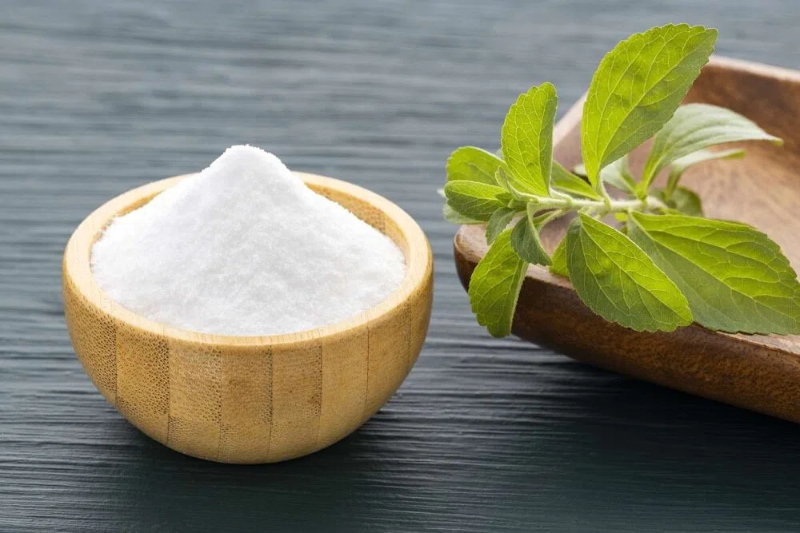
Splenda Stevia is a product line created by Splenda that merges two types of sweeteners: sucralose, a well-known artificial sweetener, and Stevia, a natural sweetener derived from the Stevia rebaudiana plant. The goal of this combination is to provide a sweet, sugar-like flavor without the calories or glycemic impact of sugar.
Stevia's sweetness comes from components called steviol glycosides, mainly rebaudioside A and stevioside. These compounds are extracted from the Stevia plant leaves using a water-based process, purified, and blended to ensure a clean, pleasant taste. By mixing high-purity Stevia with sucralose, Splenda Stevia balances the taste profile to reduce bitterness and mimic sugar more closely in recipes and beverages.
For centuries, indigenous South American communities in Paraguay and Brazil used Stevia leaves as a natural sweetener for herbal teas and medicines. The modern extraction and purification process began in the 1970s, leading to its global commercialization as a sugar alternative.
Today, Stevia has become a foundational ingredient in the natural sweetener market. It's found in everything from soft drinks and yogurts to protein powders and chewable supplements. Because Stevia is plant-based and calorie-free, it has become popular among those following low-carb, keto, and diabetic-friendly diets. As health-conscious consumers increasingly turn away from traditional sugars and synthetic sweeteners, Stevia has emerged as one of the most trusted natural alternatives.
When it comes to safety, Splenda Stevia benefits from the extensive research and oversight devoted to both its components. The Food and Drug Administration (FDA) in the United States recognizes high-purity Stevia extracts as "Generally Recognized As Safe" (GRAS). This certification confirms that qualified experts consider purified Stevia ingredients safe for use in foods and drinks.
Similarly, organizations like the Joint FAO/WHO Expert Committee on Food Additives (JECFA) and the European Food Safety Authority (EFSA) have approved Stevia glycosides for public consumption, setting an acceptable daily intake of up to 4 mg per kilogram of body weight. These approvals are based on decades of rigorous study, including long-term human and animal testing.
Sucralose, the companion ingredient in Splenda Stevia, also underwent extensive safety evaluations before achieving approval in 1998. Over one hundred independent studies confirmed its non-toxicity and metabolic stability. It passes through the body without being broken down for energy, ensuring that it contributes no calories and does not raise blood sugar levels.
Hundreds of research studies from around the world support the safety profile of Stevia. Scientists have found no evidence linking Stevia consumption to genetic defects, cancer, or reproductive harm when consumed within recommended levels. In fact, several studies suggest Stevia consumption may have positive health effects, such as reducing high blood pressure and moderating post-meal glucose spikes.
Stevia's natural compounds are unique because they are not absorbed in the upper digestive tract. Instead, intestinal bacteria break them down into steviol, which is harmlessly excreted from the body through urine. This means there's no accumulation or long-term storage of Stevia compounds in human organs. Moreover, human trials have consistently shown that Stevia and Stevia-based blends like Splenda Stevia have excellent digestive tolerance—especially compared to sugar alcohols, which can sometimes cause bloating or intestinal discomfort.
While both Splenda Stevia and pure Stevia deliver sweetness without calories, they serve slightly different purposes. Pure Stevia extracts tend to have an intense sweetness that can sometimes leave a bitter or licorice-like aftertaste, depending on concentration. Blends like Splenda Stevia aim to refine that experience, using the smooth finish of sucralose to create a more balanced flavor.
In practical use, Splenda Stevia performs better for baking and cooking because it withstands higher temperatures. While pure Stevia may lose some sweetness with prolonged heating, Splenda Stevia maintains stability even in ovens set above 200°C (400°F). Consumers often describe its taste as closer to sugar, making it easier to integrate into everyday recipes such as coffee, sauces, and baked goods.
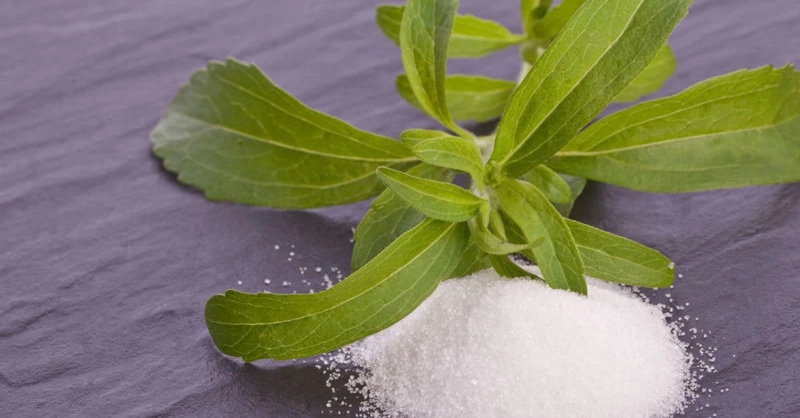
The main benefit of Splenda Stevia is its ability to replace sugar while eliminating calories. For people managing diabetes, obesity, or metabolic syndrome, this represents a simple yet effective dietary improvement. Unlike sugar, Splenda Stevia does not trigger a rapid spike in blood glucose or insulin. Over time, this can help stabilize energy levels and promote better metabolic control.
Stevia also exhibits antioxidant properties, which means it can help reduce oxidative stress in the body—a factor linked to inflammation and premature aging. Some studies suggest that Stevia may support heart health by improving blood vessel relaxation and lowering high blood pressure.
Another valuable attribute of Stevia is its dental safety. Because bacteria in the mouth cannot ferment Stevia, it does not cause cavities like ordinary sugar does. As a result, Splenda Stevia products are often used in sugar-free chewing gums and oral care supplements.
Despite its positive reputation, no ingredient is completely free from potential side effects. Some individuals may experience mild digestive disturbances after consuming large amounts of Stevia or Stevia blends, although these cases are rare and typically occur at intakes far above normal use.
Another common concern involves the artificial component sucralose. Some people prefer to avoid synthetic additives altogether. However, the inclusion of sucralose in small quantities within Splenda Stevia has not been associated with any major health risks when consumed in moderation. Regulatory agencies around the world consistently reaffirm its safety.
Those with specific plant allergies should monitor their reaction to Stevia, as extremely rare allergic responses to Stevia plant proteins have been documented. However, these instances are statistically insignificant and far less frequent than allergies caused by many other natural foods.
The growing global demand for sugar-free foods has accelerated the use of Stevia and Stevia-based sweeteners. Splenda Stevia is now widely used in soft drinks, flavored waters, dairy products, confectionery, and baked snacks. Food and beverage factories, particularly in China, play a major role in producing high-quality Stevia extracts for international brands.
Moreover, Stevia has become an essential component in the development of functional beverages and dietary supplements. It allows manufacturers to offer products that meet modern wellness trends—low-calorie, plant-based, and diabetic-friendly—while preserving the familiar sweetness that consumers love. Many sweetener producers provide OEM and ODM services, creating customized Stevia blends, tablets, and fibers tailored to health-oriented brands around the world.
Producing Stevia for Splenda Stevia requires meticulous quality control. Reputable factories follow Good Manufacturing Practices (GMP) throughout the process, beginning with the cultivation of Stevia leaves. The extraction process relies exclusively on natural water or ethanol, avoiding harmful chemicals. The resulting Stevia glycosides, particularly rebaudioside A, must reach purity levels above 95% before being used in food-grade applications.
To maintain global consistency, companies rely on advanced chromatographic purification, sensory testing, and third-party laboratory verification. These steps guarantee that the final product is safe, stable, and free from contaminants. Technological innovations, including bio-fermentation and enzymatic conversion, are further improving yield and environmental efficiency.
Splenda Stevia is particularly suitable for people with diabetes or those following specialized diets. Because it does not metabolize into glucose or fructose, it does not elevate blood sugar or insulin levels. This makes it ideal for managing calorie intake and maintaining a low-glycemic lifestyle. Research also suggests that substituting sugar with Stevia-based sweeteners may help reduce overall carbohydrate consumption, indirectly supporting weight loss.
Additionally, Splenda Stevia fits seamlessly into vegan, paleo, and ketogenic diets. It contains no animal-derived or genetically modified ingredients, aligning with clean-label principles and ethical food production standards.
Splenda Stevia is highly versatile in kitchen applications. It dissolves easily in both hot and cold liquids, making it perfect for sweetening beverages, porridges, and smoothies. Its stable sweetness holds up well under heat, which makes it especially handy for baking cookies, muffins, and custards.
When replacing sugar with Splenda Stevia, start with small adjustments, as it can taste twice as sweet as sugar. A 1:1 ratio generally works for most recipes, but the right proportion depends on flavor preferences and desired texture. For no-bake desserts, Splenda Stevia adds sweetness without moisture, making it useful for energy bars and cheesecakes. Because it contributes no fermentable sugar, it may need companion ingredients like applesauce or honey for texture in yeast-based bakes.
Compared with sugarcane and corn, Stevia farming is significantly more sustainable. Stevia plants yield much more sweetness per hectare while requiring up to 80% less water. They thrive in a wide range of climates, and many farms use regenerative agricultural methods that protect soil health and reduce pesticide dependence. This environmental benefit adds to the appeal of Stevia as a long-term solution for the global sugar reduction movement.
Surveys among Splenda Stevia users show high satisfaction rates, with most praising its clean sweetness and minimal aftertaste. People transitioning from traditional sugar often find Splenda Stevia easier to adapt to than pure Stevia or other artificial sweeteners. In customer reviews, many remark that Splenda Stevia works equally well for both coffee and baking, an important factor in long-term inclusion in daily diets.
Consumers also appreciate that Splenda Stevia products are available in multiple formats—granulated, liquid drops, and single-serve packets—offering flexibility for home and industrial use alike.
As technology advances, researchers continue to discover new Stevia glycosides with even cleaner taste profiles. Future formulations may include enzyme-treated Stevia or fermentation-based varieties that offer superior sweetness without bitterness. For Splenda Stevia and similar products, innovation will likely focus on expanding flavor compatibility and improving economic efficiency in large-scale production.
Stevia's role in health-oriented product innovation will keep expanding. From sugar-free chocolates to sports drinks fortified with natural fibers and probiotics, Stevia is expected to remain a cornerstone of the functional food and beverage industry.
Splenda Stevia represents a smart balance between nature and science. Combining the trusted safety of sucralose with the plant-based sweetness of Stevia, it provides a zero-calorie sugar substitute that is both effective and enjoyable. Decades of research have confirmed its safety for both adults and children, and regulatory agencies around the world endorse its use. With its natural origin, heat stability, and suitability for diabetics and weight management, Splenda Stevia offers a sustainable path toward healthier eating habits. When used in moderation, it can be an excellent tool to reduce sugar intake without sacrificing flavor or enjoyment.
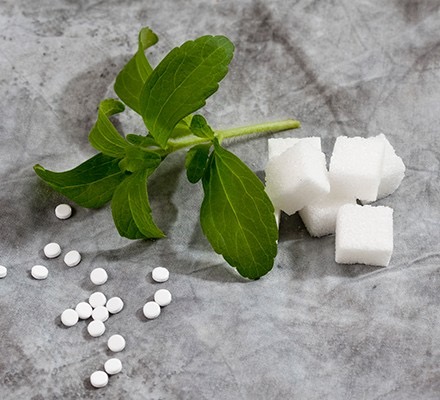
Yes. Health authorities worldwide, including the FDA and EFSA, recognize Splenda Stevia as safe for daily consumption when used within standard food and beverage amounts.
No. Splenda Stevia contains no calories or carbohydrates, meaning it does not impact blood glucose or insulin levels, making it ideal for people with diabetes.
Yes. Both Stevia and sucralose components of Splenda Stevia have been studied for safety across age groups, including pregnant and breastfeeding women.
The Stevia used in Splenda Stevia comes from purified Stevia rebaudiana plant extracts, making it a natural-based ingredient, though the final product also includes a synthetic sweetening agent.
Stevia's acceptable daily intake is 4 mg per kg of body weight, which allows generous daily use without safety concerns. For most people, this translates to several servings a day.


