
Views: 222 Author: Sara Publish Time: 2025-11-07 Origin: Site


Content Menu
● Sorbitol in the Industry: Why It Matters
● Regulatory and Labeling Considerations
● Formulation Strategies for Your Markets
● Practical Integration for Your OEM/ODM Services
● Concise Takeaways for Your Content Strategy
● FAQ
>> 1. How does sorbitol compare to artificial sweeteners in taste and calories?
>> 2. Is sorbitol safe for children and people with diabetes?
>> 3. Can sorbitol be used in frozen desserts without crystallization?
>> 4. What are typical usage levels for sorbitol in confectionery?
>> 5. Are there any labeling or regulatory considerations when listing sorbitol on product ingredients?
Sorbitol is not considered an artificial sweetener. It is a sugar alcohol (polyol) that occurs naturally in many fruits and is also manufactured synthetically for industrial use. Unlike artificial sweeteners such as aspartame, saccharin, or sucralose, sorbitol sits in a unique category: it is a natural sugar alcohol with functional properties that resemble sugar in sweetness and texture but with fewer calories. This distinction is important for product developers who aim to balance label claims, consumer expectations, and regulatory requirements. For many formulations, sorbitol provides partial sweetness, humectancy, and moisture retention, making it valuable in sugar-free and reduced-calorie products without adopting the "synthetic sweetener" label.[1][9]
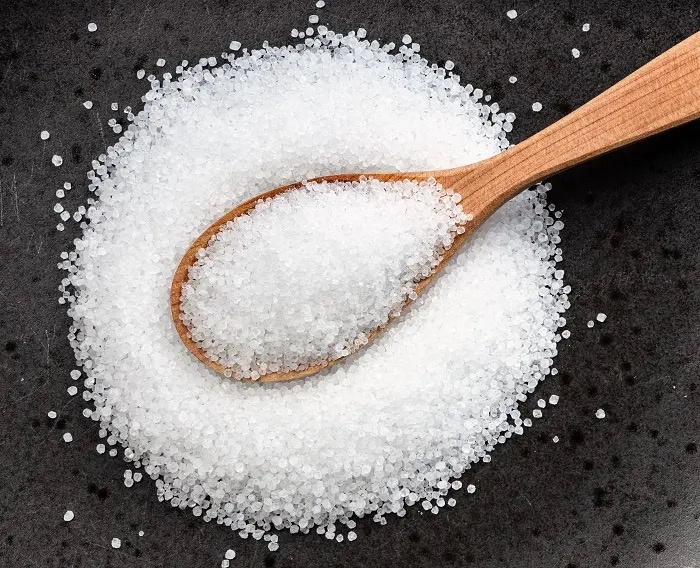
Sorbitol's dual origin—natural occurrence in fruits and synthetic production for industrial use—gives it versatility in formulation science. It delivers about half the sweetness of sucrose, while contributing fewer calories per gram. In practice, this means sorbitol can replace a portion of sugar in foods like baked goods, confections, chewing gums, and beverages while helping controls on calorie content and dental caries risk. Its humectant properties aid moisture retention, improving texture and shelf life in products such as cookies, cakes, and ready-to-drink beverages. In frozen desserts, sorbitol can reduce crystallization and improve mouthfeel, which is particularly valuable for low-sugar ice creams and sorbets. For pharmaceutical and healthcare applications, sorbitol is widely used as a stabilizer, emulsifier, and excipient due to its sweetening and humectant characteristics.[3][7][1]
- Classification: Sorbitol is typically labeled as sorbitol or sorbitol (E420) in many regulatory systems, reflecting its status as a sugar alcohol rather than a synthetic artificial sweetener. This classification impacts how products are marketed, labeled, and regulated in different markets.[9]
- Digestive tolerance: Sorbitol can cause gastrointestinal effects at higher intakes for some individuals, including bloating or laxative effects. Product developers often specify recommended usage levels to manage consumer tolerance and regulatory labeling. Clear consumer guidance helps mitigate adverse reactions and supports responsible use.[7]
- Allergen and sourcing considerations: While sorbitol itself is not a common allergen, formulations that incorporate sorbitol should consider cross-contact with other ingredients and ensure supply chain transparency, especially for global markets with strict labeling standards. Your company's emphasis on traceability aligns well with these requirements.[1]
- Sugar reduction with partial replacement: Use sorbitol to replace a portion of sucrose in confectionery, baked goods, and snacks to lower calories while preserving sweetness and moisture. Pairing sorbitol with other polyols or natural sweeteners can optimize taste and texture while staying within label claims.[7]
- Texture and stability: Sorbitol's humectant properties help maintain moisture in products with reduced sugar, supporting softness in baked goods and preventing crystallization in candies and gummies. This is particularly relevant for your blended-sweetener development work where matching mouthfeel is essential.[1]
- Beverages and syrups: In sugar-reduced beverages, sorbitol can contribute to sweetness without excessive sweetness peaks, aiding mouthfeel and long shelf life. For syrups, sorbitol's viscosity and stability can help maintain consistency across storage conditions.[1]
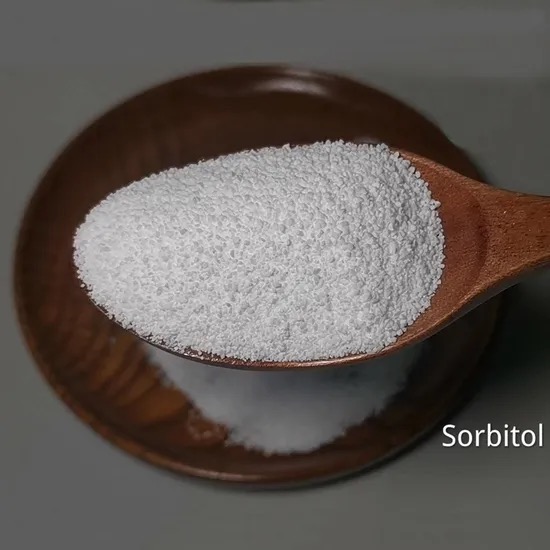
- Custom blends: Leverage your expertise in blended-sweetener development to design sorbitol-inclusive blends that target specific sweetness profiles, caloric targets, and dental-health claims for overseas manufacturers. This aligns with demand for clean-label, lower-calorie solutions.[1]
- Tablet and supplement applications: Sorbitol can serve as a filler and sweetener in chewable tablets and dietary supplements, benefiting mouthfeel and palatability in healthcare formats. Your tablet production capabilities can exploit these properties to deliver consumer-friendly products.[1]
- Regulatory alignment: Provide formulation documentation, usage guidelines, and label language that reflect sorbitol's status as a sugar alcohol rather than an artificial sweetener, helping overseas clients meet local regulatory expectations.[9]
- Sorbitol is not an artificial sweetener, but a sugar alcohol with functional advantages in moisture retention, texture, and partial sugar replacement. This distinction helps brands communicate clearly on labels and in marketing materials.[9][1]
- Its moderate sweetness and lower caloric impact make it suitable for sugar-reduced foods, confectionery, baked goods, and some beverages, while also serving as an excipient in pharmaceutical contexts.[3][7]
- For your overseas manufacturing partners, emphasize Sorbitol's compatibility with clean-label trends, supply-chain transparency, and regulatory clarity to support successful product launches.[1]
Sorbitol, as a natural sugar alcohol rather than an artificial sweetener, offers a distinctive blend of sweetness, functional benefits, and lower caloric content that can support sugar reduction strategies across food, beverage, and healthcare products. Its humectant properties aid moisture retention and texture, while partial sugar replacement can help meet clean-label and regulatory expectations in diverse markets. For a China-based factory focusing on natural sweeteners, functional polyols, and dietary fibers, sorbitol complements blended-sweetener development, tablet production, and OEM/ODM services, enabling robust collaboration with overseas manufacturers seeking reliable, scalable, and transparent ingredient solutions.
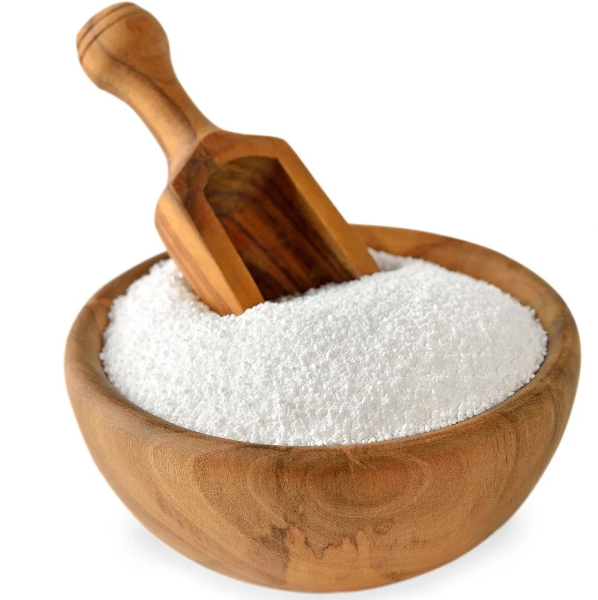
Sorbitol provides about 60% of the sweetness of sugar with significant calories, unlike intense artificial sweeteners which offer high sweetness with minimal to no calories.
Sorbitol is generally safe in moderation for children and diabetics due to its low glycemic impact, but excessive intake can cause digestive discomfort.
Yes, sorbitol can be effectively used in frozen desserts to prevent ice crystal formation due to its ability to inhibit crystallization and provide a smooth texture.
Typical sorbitol usage in confectionery ranges from 5-15%, depending on the desired sweetness, texture, and moisture retention.
Yes, products containing sorbitol must list it by name in the ingredients and often require a warning statement about potential laxative effects if consumption exceeds certain levels.
[1](https://elchemy.com/blogs/food-nutrition/is-sorbitol-an-artificial-sweetener-exploring-its-uses-benefits-and-applications)
[2](https://www.howtiangroup.cn/solutions-food)
[3](https://www.news-medical.net/health/Sorbitol-Research-and-Safety.aspx)
[4](http://www.hkexnews.hk/listedco/listconews/sehk/2025/0530/2025053000074_c.pdf)
[5](https://www.ynhh.org/services/nutrition/sugar-alcohol)
[6](https://pdf.dfcfw.com/pdf/H3_AP202412131641289648_1.pdf)
[7](https://www.healthline.com/nutrition/what-is-sorbitol)
[8](https://pdf.dfcfw.com/pdf/H2_AN202104081482179540_1.pdf)
[9](https://www.nhs.uk/live-well/eat-well/food-types/are-sweeteners-safe/)
[10](http://www.danone.com.cn/about-danone/at-a-glance/danone-china.html)


