


Content Menu
● Health Benefits of Erythritol
>> Blood Sugar and Insulin Control
>> Low Caloric Content and Weight Management
>> Antioxidant and Cardiovascular Effects
● Industrial and Commercial Use
>> 1. Is erythritol safe for diabetics?
>> 2. Does erythritol cause weight gain?
>> 3. Can erythritol cause digestive problems?
>> 4. How does erythritol support dental health?
>> 5. Is erythritol a natural product?
Erythritol is a popular sugar substitute widely recognized for its low-calorie content and minimal impact on blood sugar. It is generally regarded as a healthy alternative to sugar with multiple physiological benefits, making it suitable for people pursuing healthier diets, including those with diabetes or weight concerns. This article explores erythritol's nature, health effects, safety profile, and growing popularity in food, beverages, and healthcare products.
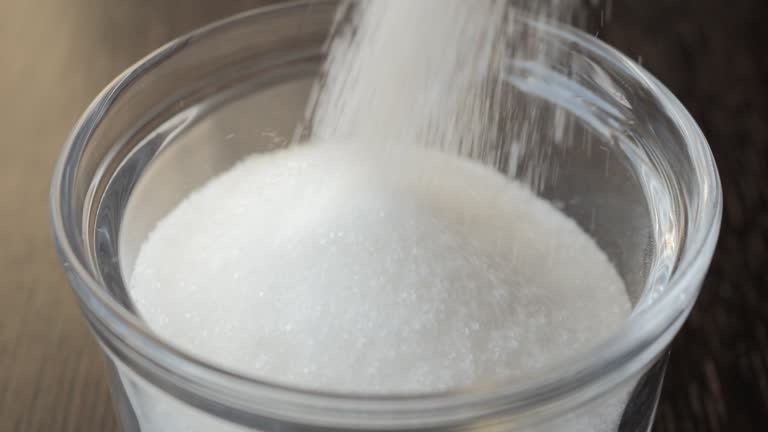
Erythritol is a sugar alcohol naturally found in small amounts in fruits such as grapes, melons, and pears, as well as fermented foods like soy sauce and sake. Commercially, erythritol is produced by fermenting glucose derived from corn or wheat starch. It contains about 0.24 calories per gram, which is roughly 90% fewer calories than sugar.
Unlike many other sugar alcohols, erythritol is almost completely absorbed in the small intestine and rapidly excreted unchanged in the urine. Because of this unique metabolism, erythritol does not significantly affect blood glucose or insulin levels, distinguishing it as an ideal sweetener alternative for diabetics and people managing blood sugar levels. It also has a glycemic index of zero.
Erythritol tastes about 60-70% as sweet as table sugar, with a clean, sugar-like flavor and no bitter aftertaste common in some artificial sweeteners. These properties contribute to its increasing use in sugar-free and reduced-sugar products, from baked goods and chocolates to beverages and chewing gums.
Clinical evidence shows erythritol does not raise blood glucose or insulin levels, which helps prevent blood sugar spikes and supports metabolic health. In a two-week clinical trial, people with type 2 diabetes consumed 20 grams of erythritol daily and experienced a significant reduction in HbA1c—a key marker of long-term blood glucose control—dropping from 8.5% to 7.5%.
Erythritol also promotes the release of gut hormones such as glucagon-like peptide 1 (GLP-1), cholecystokinin (CCK), and peptide YY (PYY), which support satiety and slow gastric emptying. This hormonal effect contributes to better post-meal glucose control and may aid appetite regulation and weight management.
With a fraction of the calories of sugar, erythritol is effective for reducing overall calorie intake. Long-term rodent studies demonstrate consumption of erythritol can reduce body weight and adiposity (fat accumulation), although human clinical trials are still limited.
Animal studies provide inconsistent results; some show decreased weight gain and increased energy expenditure with erythritol consumption, while others do not show significant changes. More clinical studies in humans are needed to clarify erythritol's effects on body weight and metabolism. However, its negligible calories make it a valuable tool in calorie-controlled diets.
Unlike sugar, erythritol does not contribute to dental cavities. In fact, robust clinical evidence demonstrates erythritol's dental benefits. Two long-term studies in children (aged 8–9 and 14–15 years) showed erythritol was more effective than other sugar alcohols (such as xylitol and sorbitol) in reducing dental plaque and preventing cavities.
Erythritol inhibits the growth of oral bacteria that cause tooth decay, promoting oral health and reducing the risk of cavities and gum disease. This benefit has led to erythritol's inclusion in several oral care products, including toothpaste, mouth rinses, and chewing gum.
Emerging research indicates erythritol may have antioxidant properties that reduce oxidative stress and inflammation, key factors in the development of cardiovascular disease. Studies in diabetic animals and cells exposed to high glucose levels showed erythritol reduces oxidative damage and improves endothelial function — the health of the blood vessel lining critical for cardiovascular health.
In a pilot clinical trial in diabetic patients, erythritol consumption improved endothelial function and reduced arterial stiffness, which are indicators of better vascular health. Some reports associated higher blood erythritol levels with an increased risk of cardiovascular events; however, these findings likely reflect increased endogenous production of erythritol related to metabolic dysfunction rather than dietary intake. Further research is required to fully understand erythritol's cardiovascular effects.

Erythritol is generally recognized as safe (GRAS) by regulatory agencies such as the FDA and EFSA. Because it is mostly absorbed in the small intestine and excreted in urine, erythritol is better tolerated than other sugar alcohols that reach the colon and ferment, causing gas, bloating, or diarrhea.
Still, consuming large amounts of erythritol (typically above 50 grams per day) can cause mild digestive upset in some individuals. Normal dietary intakes found in common food products usually do not cause discomfort.
Thanks to its sweetness profile, safety, and health benefits, erythritol has become a favored ingredient in the development of natural sweeteners, functional polyols, and dietary fibers used in food, beverage, and healthcare products worldwide.
Its compatibility with other natural sweeteners makes it an excellent candidate for blended sweetener formulations, enabling manufacturers to create sugar-reduced or sugar-free products that meet consumer demand for healthier options without compromising taste.
OEM/ODM services specializing in erythritol-based formulation and tablet production are helping global manufacturers innovate with erythritol-sweetened products ranging from beverages and confectionaries to dietary supplements.
Erythritol is a healthy, low-calorie sugar alternative with multiple benefits including blood sugar control, dental health improvements, and antioxidant effects. Supported by clinical and animal studies, it offers a safe and effective way to reduce sugar intake without sacrificing sweetness. While ongoing research will clarify some conflicting data on metabolic effects, erythritol remains a preferred sweetener in health-focused food and beverage formulations worldwide.

Yes, erythritol does not increase blood sugar or insulin levels, making it safe and beneficial for people with diabetes to use as a sugar substitute.
No, erythritol contains almost no calories and may support weight management when used instead of sugar, but excessive intake should still be avoided.
Erythritol is generally well tolerated, but very high intake may lead to mild digestive symptoms like gas or bloating in sensitive individuals.
Erythritol inhibits the growth of cavity-causing bacteria and reduces plaque, helping prevent tooth decay more effectively than some other sugar alcohols.
Erythritol naturally occurs in some fruits and fermented foods, but commercial erythritol is typically produced through fermentation using glucose sourced from corn or wheat.
[1](https://pmc.ncbi.nlm.nih.gov/articles/PMC9824470/)
[2](https://pubmed.ncbi.nlm.nih.gov/36615861/)
[3](https://academic.oup.com/cardiovascres/article/121/9/1319/8153562)
[4](https://www.nih.gov/news-events/nih-research-matters/erythritol-cardiovascular-events)
[5](https://www.lerner.ccf.org/news/article/?title=New+study+compares+effects+of+artificial+sweetener+erythritol+and+sugar&id=d177e14f9e80d5ac45a329c97f65b12208a2fed3)
[6](https://newsroom.clevelandclinic.org/2024/08/08/cleveland-clinic-study-adds-to-increasing-evidence-that-sugar-substitute-erythritol-raises-cardiovascular-risk)
[7](https://www.webmd.com/diet/what-is-erythritol)
[8](https://newsnetwork.mayoclinic.org/discussion/mayo-clinic-q-and-a-is-erythritol-a-safe-and-healthy-sugar-substitute/)
[9](https://www.sciencemediacentre.org/expert-reaction-to-study-looking-at-an-artificial-sweetener-erythritol-and-cardiovascular-disease-events/)
[10](https://health.clevelandclinic.org/erythritol)


