
Views: 222 Author: Sara Publish Time: 2025-12-31 Origin: Site


Content Menu
● How Aspartame Works in the Body
● What Science Says About Aspartame Safety
● Addressing Common Health Concerns
>> Headaches and Neurological Effects
>> Cancer Myths
>> Metabolic Diseases and Weight Control
● Benefits in Food, Beverage, and Healthcare Industries
● Special Considerations and Safety for Specific Groups
● Aspartame Compared to Other Sweeteners
● Ongoing Research and Public Perception
● FAQ
>> 1. Is Aspartame Safe for Daily Consumption?
>> 2. Does Aspartame Cause Cancer?
>> 3. Can Aspartame Trigger Headaches or Neurological Problems?
>> 4. Is Aspartame Suitable for Diabetics?
>> 5. Who Should Avoid Aspartame?
Aspartame is one of the most studied and discussed artificial sweeteners in the world. Introduced more than half a century ago, it has been widely used in diet drinks, sugar-free gum, yogurt, and numerous low-calorie or diabetic-friendly products. Despite its approval by major health authorities, controversies continue to surround this ingredient. Many consumers still wonder: is aspartame harmful to the body, or is it simply misunderstood?
This comprehensive article explores how aspartame works in the body, summarizes scientific findings, and addresses common misconceptions. It also discusses its safety profile, benefits, and practical implications in the food, beverage, and healthcare industries.

Aspartame is a low-calorie sweetener discovered by chemist James M. Schlatter in 1965. It is approximately 200 times sweeter than sugar, meaning only a small amount is needed to achieve the same level of sweetness. Chemically, aspartame is composed of two amino acids—phenylalanine and aspartic acid—linked by a methyl ester bond. These amino acids are naturally present in many protein-containing foods such as meat, eggs, and dairy.
When consumed, aspartame provides sweetness without adding significant calories or causing a spike in blood sugar levels. This property makes it particularly attractive for diabetic individuals, weight-loss products, and low-calorie beverages. Its taste profile is often described as clean, sugar-like, and less bitter compared with other artificial sweeteners such as saccharin or acesulfame potassium.
Aspartame's main advantage lies in its synergistic potential—it blends well with other sweeteners like sucralose, erythritol, or stevia, providing balanced sweetness while minimizing aftertaste. This versatility makes it a valuable ingredient for companies developing healthy formulations such as dietary supplements, functional beverages, and sugar-free confectionery.
After ingestion, aspartame is completely broken down during digestion. Enzymes in the small intestine hydrolyze it into three components: phenylalanine, aspartic acid, and methanol. These byproducts are absorbed into the bloodstream and metabolized in the same way as they would be from ordinary foods.
Methanol, which often causes concern, exists naturally in many fruits and vegetables. A glass of tomato juice contains far more methanol than a can of diet soda sweetened with aspartame. Within the body, methanol is quickly converted to formaldehyde and then to formic acid, which is safely eliminated. Extensive studies show that methanol levels from aspartame consumption remain far below toxic thresholds.
Phenylalanine and aspartic acid, both amino acids, serve physiological functions such as building proteins and supporting neurotransmitter synthesis. Only individuals with phenylketonuria (PKU)—a rare genetic disorder—must monitor their phenylalanine intake. For everyone else, these metabolites pose no health risk even at much higher exposure levels than typical dietary consumption.
This metabolism process explains why aspartame itself never accumulates in the body. Instead, it is simply disassembled into basic compounds that are safely utilized or excreted. Scientific reviews consistently confirm that aspartame consumption does not alter enzyme activity, interfere with metabolism, or produce toxicity in humans.
Aspartame's safety has been thoroughly reviewed by major global authorities for decades. The U.S. Food and Drug Administration (FDA) first approved it in 1981, followed by the European Food Safety Authority (EFSA) and Health Canada. The World Health Organization (WHO) and the Joint Expert Committee on Food Additives (JECFA) also reviewed aspartame multiple times. These agencies all concluded that aspartame is safe for human consumption within established limits.
The acceptable daily intake (ADI)—the amount one can safely consume every day over a lifetime—is set at 50 milligrams per kilogram of body weight by the FDA and 40 milligrams per kilogram by EFSA. To exceed these limits, an average adult weighing 70 kilograms would have to consume the equivalent of 17 to 20 cans of diet soda daily, far beyond realistic intake levels.
In 2023, WHO clarified its position after the International Agency for Research on Cancer (IARC) classified aspartame as "possibly carcinogenic to humans." This classification was based on limited evidence from animal studies rather than confirmed human data. Both WHO and JECFA subsequently reassured consumers that aspartame remains safe within the current ADI and that there is no compelling evidence of cancer risk in humans.
Over 100 comprehensive studies have been conducted on aspartame's safety, covering areas such as carcinogenicity, neurotoxicity, reproduction, and metabolism. The consistent outcome across these studies is that aspartame poses no credible health risk when consumed at approved levels.
Clinical trials with healthy adults and children show no effect on mood, behavior, cognitive performance, or neurological health. Similarly, metabolic studies indicate no impact on blood glucose, insulin sensitivity, or gut microbiota composition. Researchers continue to monitor population data, but no consistent pattern of harm has emerged.
Aspartame is one of the most rigorously evaluated food additives in history. Regulatory reviews consider animal data, human epidemiology, and mechanistic analyses. Every major food safety authority has independently reaffirmed its safety at least once, giving aspartame a level of scrutiny unmatched by many other food ingredients.
Some consumers report headaches after consuming products with aspartame. However, controlled double-blind studies show no statistically significant difference between aspartame and placebo. In many reported cases, confounding variables such as caffeine withdrawal, dehydration, or stress were the actual triggers rather than aspartame itself.
Brain imaging and biochemical analyses further indicate that aspartame metabolites do not cross the blood–brain barrier in toxic amounts. Neurotransmitter activity remains stable even at doses many times higher than the ADI.
Cancer claims surrounding aspartame emerged from misunderstandings of early animal experiments where extremely high doses produced tumors in rodents. Later investigations revealed methodological flaws such as contamination, infections, and unrealistic dosing. Large-scale human studies involving thousands of participants have since found no correlation between aspartame consumption and cancer, including brain, breast, or blood cancers.
Health authorities reaffirm that occasional anecdotal concerns or sensationalized reports do not overturn the vast scientific consensus on aspartame safety.
Aspartame plays a constructive role in weight management because it allows individuals to enjoy sweetness without consuming sugar. Studies comparing people who switch from sugar-sweetened beverages to those with aspartame show better weight loss outcomes and improved calorie control. Importantly, aspartame does not raise blood glucose or insulin levels, making it suitable for people with diabetes.
Some media outlets have speculated that artificial sweeteners might alter appetite or metabolism, but the evidence remains mixed. Most clinical studies demonstrate neutral or beneficial effects when used as part of a balanced diet.
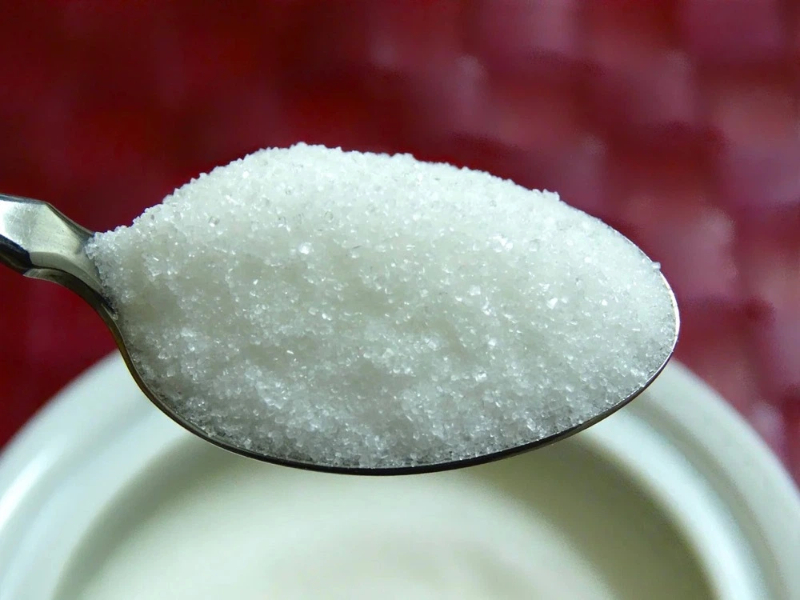
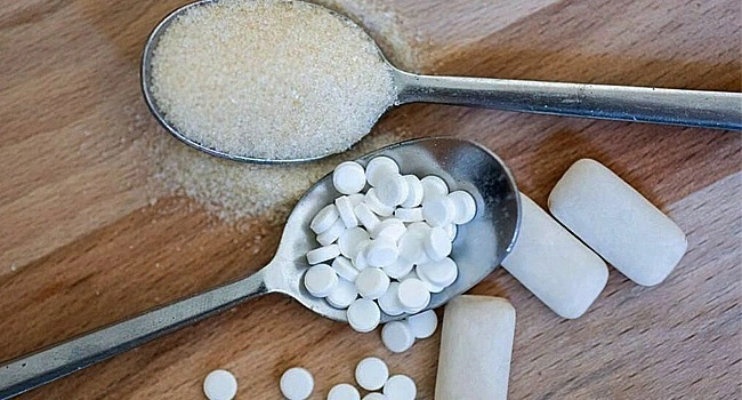
Aspartame's sweetness profile closely resembles sucrose, making it an ideal choice in food technology. It provides immediate sweetness without bitterness and enhances fruity flavors. This property explains its use in diet sodas, sugar-free yogurt, jelly, chewing gum, vitamins, and oral medications.
Manufacturers often combine aspartame with other sweeteners such as acesulfame potassium to create blends that are heat-stable and suitable for a broader range of products. In pharmaceuticals, aspartame masks bitterness in chewable tablets and health supplements, improving taste and compliance among patients.
For global factories focusing on healthy ingredient solutions—especially in the areas of natural sweeteners, functional polyols, and dietary fibers—aspartame remains a critical tool in developing customized formulations for clients seeking low-calorie alternatives. It can also be used effectively with prebiotic fibers to enhance digestive balance while maintaining a pleasant taste.
Despite its broad safety record, there are some precautions. People with phenylketonuria (PKU) cannot metabolize phenylalanine efficiently and must avoid aspartame-containing food and beverages. To protect these individuals, all products containing aspartame are required by law to display a "contains phenylalanine" label.
Pregnant women, children, and the elderly can safely consume aspartame within acceptable limits. Studies show no teratogenic effects or adverse outcomes in pregnancy linked to aspartame. For breastfeeding mothers, minimal quantities of phenylalanine from aspartame pass into breast milk, posing no risk to the infant's health.
Aspartame differs from other artificial sweeteners such as sucralose, saccharin, or stevia in taste, functionality, and stability. Sucralose, for instance, is heat-stable and better suited for baking. Stevia, derived from natural leaf extracts, delivers a strong sweetness but can carry a bitter aftertaste. Aspartame, however, provides a balanced sweetness and blends seamlessly with other sugar alcohols like erythritol and maltitol.
In terms of cost and formulation, aspartame often serves as the core sweetener for low-calorie beverage systems, where stability and mouthfeel matter more than heat resistance. This makes it especially important in OEM/ODM production for soda, sport drinks, and supplement tablets.
Public awareness campaigns and online discussions sometimes amplify uncertainty about artificial sweeteners. However, the evolving landscape of nutrition research continues to support aspartame's safety. Continuous reviews by scientific committees keep assessing new data, ensuring that consumer safety remains the top priority.
Consumer skepticism often stems from misunderstanding chemical terminology—terms like "methanol" or "formaldehyde" sound alarming without context. In reality, these are naturally occurring compounds in our diet, and the body can handle them efficiently at the trace levels produced by aspartame digestion.
Furthermore, organizations such as the American Cancer Society, the U.S. National Institutes of Health, and the European Food Information Council consistently reaffirm that aspartame is a safe food additive. Education campaigns encouraging responsible, moderate consumption help dispel myths and ensure the public makes informed dietary choices.
Aspartame remains one of the most studied food ingredients in modern history, with decades of scientific evidence confirming its safety. Regulatory bodies across the globe, including the FDA, EFSA, WHO, and Health Canada, agree that aspartame is safe for general consumption within approved daily limits.
Claims linking aspartame to diseases such as cancer, headaches, or metabolic disorders have not been substantiated in controlled human research. For healthy individuals, aspartame poses no harm and can play a beneficial role in calorie reduction, obesity prevention, and diabetes management. Only people with phenylketonuria need to exercise caution due to their unique metabolic condition.
In conclusion, aspartame is not harmful to the body when consumed responsibly. It offers practical benefits in producing healthier food and beverage products, empowering consumers to enjoy sweetness without the side effects of sugar. The scientific consensus is clear: aspartame is safe, effective, and continues to contribute to the global shift toward better nutrition and wellness.
Yes. Major health authorities, including the FDA and EFSA, have confirmed that aspartame is safe within the acceptable daily intake. Most people consume far below these limits in their regular diets.
No. High-quality studies in humans show no link between aspartame and cancer. Global agencies have reaffirmed its safety based on comprehensive research and long-term data.
Controlled trials indicate that aspartame does not increase headaches beyond placebo effects. Neurological functions remain stable even with high consumption, and no consistent mechanism linking aspartame to brain harm has been identified.
Yes. Aspartame does not raise blood glucose levels, making it a safe and effective sugar substitute for people living with diabetes.
Individuals with phenylketonuria (PKU) should avoid aspartame because their bodies cannot properly metabolize phenylalanine. All aspartame-containing products clearly indicate this on their labels.


