
Views: 222 Author: Sara Publish Time: 2025-12-23 Origin: Site


Content Menu
● Nutritional Comparison: Aspartame vs. Sugar
● Health Benefits of Aspartame
● Safety and Regulatory Approval
● Debunking Aspartame Myths and Side Effects
● Natural Alternatives and Industry Innovations
● Future of Aspartame in Sweetener Landscape
● FAQ
>> 1. Is Aspartame Safe for Daily Use?
>> 2. Does Aspartame Cause Weight Gain?
>> 3. Can Diabetics Use Aspartame?
>> 4. What Are Effective Aspartame Alternatives?
>> 5. Why Is Aspartame Common in Diet Sodas?
Aspartame, a high-intensity artificial sweetener, offers significant advantages over sugar in terms of calorie reduction and glycemic control, making it a popular choice in diet products worldwide. This comprehensive article delves deeply into aspartame's composition, benefits, safety profile, applications, and comparisons with sugar, while addressing common myths and exploring alternatives like natural sweeteners, functional polyols, and dietary fibers provided by specialized manufacturers. Backed by extensive scientific reviews and regulatory approvals, aspartame continues to play a key role in healthier food formulations for the food, beverage, and healthcare industries.[1][2][3]

Aspartame is a synthetic dipeptide composed of two amino acids: L-aspartic acid and L-phenylalanine, methylated to form its methyl ester structure, which imparts extraordinary sweetness—approximately 200 times that of sucrose (table sugar). Discovered in 1965 by chemist James Schlatter at G.D. Searle & Company, aspartame quickly gained attention for its clean, sugar-like taste without the bitter aftertaste common in some other sweeteners. Unlike sugar, which is a disaccharide derived from cane or beets, aspartame requires only minute quantities to achieve equivalent sweetness, typically measured in milligrams rather than grams.[3][4][5]
In the human body, aspartame metabolizes into its component parts: aspartic acid (40%), phenylalanine (50%), and a small amount of methanol (10%), all naturally occurring substances found in everyday foods like milk, meat, and fruits. This breakdown occurs rapidly via digestive enzymes, ensuring aspartame does not accumulate or cause toxicity at approved levels. Manufacturers producing aspartame for global markets emphasize its stability in aqueous solutions at room temperature, though it degrades under prolonged heat, prompting blends with other sweeteners like acesulfame potassium for baking applications.[5][6][7][8][1]
Aspartame's production involves fermentative processes using genetically modified bacteria to synthesize the amino acids, followed by precise chemical coupling—a method scaled up in facilities worldwide, including those in China specializing in OEM/ODM services for blended sweeteners. This efficiency allows factories focused on health solutions for food, beverages, and healthcare to incorporate aspartame into custom formulations, such as low-calorie syrups or tablet coatings.[9]
Sugar, primarily sucrose, delivers 4 calories per gram or about 16 calories per teaspoon, contributing substantially to daily caloric intake and obesity risks when overconsumed. In stark contrast, aspartame provides roughly 4 calories per gram too, but its 200:1 sweetness ratio means a single serving in a diet soda equates to fewer than 5 calories total—practically negligible for weight management. Studies show replacing sugar with aspartame in beverages can reduce daily energy intake by up to 220 kilocalories, supporting sustained weight loss without hunger.[10][11][1][3]
Glycemic index further highlights aspartame's superiority: sugar causes rapid blood glucose spikes, exacerbating diabetes and insulin resistance, whereas aspartame has a glycemic index of zero, exhibiting no impact on fasting blood sugar, insulin levels, or HbA1c in clinical trials involving diabetics and obese individuals. For instance, a meta-analysis of over 20 randomized controlled trials confirmed aspartame's neutrality on glucose metabolism, making it a staple in diabetic-friendly products. Dental health benefits aspartame users too, as it is non-cariogenic—unlike sugar, which feeds oral bacteria leading to cavities.[12][13][1]
Beyond calories and carbs, aspartame avoids sugar's role in inflammation and metabolic syndrome. Excessive sugar intake correlates with fatty liver disease and cardiovascular risks, while aspartame consumption shows no such associations in long-term epidemiological data. Visual aids like calorie comparison charts underscore this: one can of regular soda packs 140 calories from sugar, versus under 1 from aspartame in its diet counterpart.[14][15][12]
Aspartame excels in weight control programs, enabling palatable low-calorie diets that promote adherence over restrictive sugar-free plans. Research from the American Beverage Association notes that aspartame-sweetened beverages help consumers reduce overall sugar intake by 25-50% without compensatory eating. For athletes and fitness enthusiasts, aspartame provides sweetness in protein shakes and energy gels minus the carb crash from sugar.[2][11][3]
In diabetes management, aspartame's lack of glycemic effect allows flexible use in meal replacements and snacks, improving quality of life. Pediatric studies indicate aspartame does not affect growth or cognitive development in children when consumed within limits, countering early concerns. Moreover, aspartame supports oral health initiatives, as evidenced by its prevalence in sugar-free gums that reduce plaque by 50-70% compared to sugared versions.[13][1][10]
Emerging data explores aspartame's minimal gut microbiome disruption versus sugar's dysbiosis-promoting effects, positioning it as a bridge to natural alternatives. Healthcare formulations leverage aspartame to mask bitter tastes in vitamins and cough syrups, enhancing patient compliance.[5][14]
Aspartame's safety is unequivocally endorsed by major authorities: the FDA established an acceptable daily intake (ADI) of 50 mg/kg body weight in 1981 after reviewing over 100 studies, a threshold 20-50 times higher than typical consumption. The WHO's Joint Expert Committee on Food Additives (JECFA) set 40 mg/kg ADI in 2023, classifying aspartame as "possibly carcinogenic to humans" (Group 2B) based on limited animal evidence at doses far exceeding human exposure—but affirming safety at real-world levels. The European Food Safety Authority (EFSA) conducted a 2013 re-evaluation of 600+ datasets, concluding no genotoxicity, neurotoxicity, or reproductive risks.[6][16][2]
Over 90 countries, including the EU, Canada, Australia, and Japan, approve aspartame, with post-market surveillance showing no public health issues. The sole contraindication applies to individuals with phenylketonuria (PKU), who cannot metabolize phenylalanine; mandatory labeling ensures their safety. Lifetime studies in rodents used aspartame doses equivalent to humans drinking 20+ diet sodas daily, finding no tumors or adverse effects.[7][16][17][18]
Chinese regulatory bodies align with Codex Alimentarius standards for aspartame, enabling export-oriented factories to produce compliant OEM blends.[9]
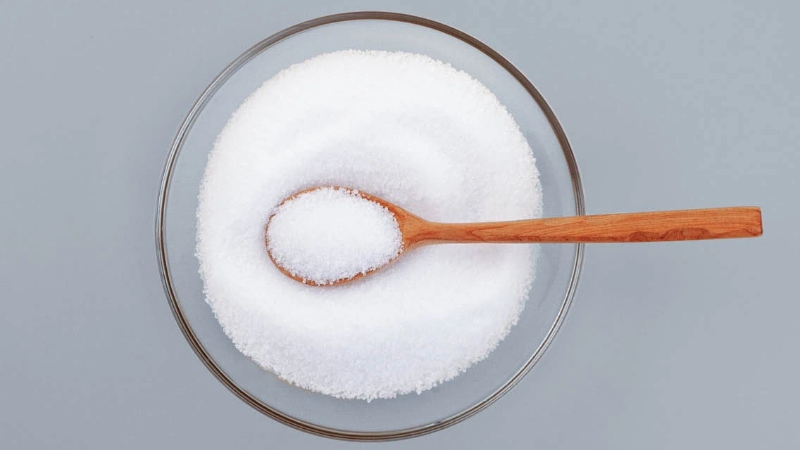
Persistent myths claim aspartame causes cancer, headaches, or neurological issues, often traced to anecdotal reports or flawed early studies. Rigorous reviews, including the National Cancer Institute's analysis, find no causal link; headache claims stem from caffeine withdrawal in diet soda switchers, not aspartame itself. Methanol from aspartame metabolizes to formaldehyde at levels 1,000 times below natural fruit intake, posing no risk.[15][1][6][7]
A 2023 WHO hazard assessment reiterated: while high-dose animal data warrants monitoring, human epidemiology shows no increased cancer risk. Gut health concerns are overstated; aspartame passes undigested, unlike sugar alcohols that may cause bloating in excess. Videos from scientific outlets consistently debunk these, reinforcing aspartame's clean safety record.[16][19][20][14]
Aspartame dominates zero-calorie beverages, sweetening brands like Diet Coke, Pepsi Max, and countless flavored waters—accounting for 60% of its global volume. In chewing gums (e.g., Extra, Orbit), aspartame delivers prolonged sweetness release. Yogurts, puddings, and breakfast cereals use aspartame for crisp textures without sugar's stickiness.[18][21][5]
Pharmaceuticals benefit from aspartame's solubility in syrups and effervescents, while tabletop products like Equal packets cater to home use. Industrial applications include blended sweetener mixes for OEM production, where factories combine aspartame with polyols for heat-stable baking powders. Energy drink lines showcase aspartame's scalability in high-volume canning.[22][10][9]
Aspartame replicates sugar's mouthfeel with a clean upfront sweetness, folding seamlessly into carbonated drinks. However, its phenylalanine component can introduce a subtle licorice note at high concentrations, mitigated by synergistic blends (e.g., aspartame + sucralose). Stability shines in acidic, cold environments like sodas, but pH above 7 or temperatures over 80°C degrade it to diketopiperazine, prompting protective encapsulation in tablets.[8][11][5]
Consumer panels rate aspartame highest among non-nutritive sweeteners for sugar mimicry, especially in dairy.[8]
While aspartame shines, natural options like stevia, monk fruit, and allulose gain traction for their plant-derived appeal. Functional polyols—erythritol, xylitol, maltitol—offer 0.2-2.4 calories per gram, prebiotic benefits, and bulking properties ideal for chocolate and ice cream. Dietary fibers such as inulin and oligofructose enhance satiety and gut health in fiber-enriched bars.[13][14][9]
Chinese factories lead in OEM/ODM for these, developing custom blends (e.g., erythritol-aspartame hybrids) for international food, beverage, and healthcare clients—providing tablet pressing, powder mixing, and private labeling. These innovations bridge synthetic efficiency with natural trends, reducing reliance on pure aspartame.[23][9]
Market forecasts predict steady aspartame growth alongside naturals, with hybrids dominating low-sugar reformulations driven by global obesity campaigns. Research into aspartame's long-term microbiome effects parallels sugar alcohol studies, promising refined guidelines. Sustainability-focused factories innovate fiber-polyol matrices, minimizing aspartame while maximizing health claims.[14][9][13]
Aspartame surpasses sugar in caloric efficiency, dental safety, and metabolic neutrality, with decades of data and global approvals confirming its role in healthier diets. Though not perfect for all—especially PKU patients—its benefits outweigh risks for most, particularly when blended with natural polyols and fibers from expert manufacturers. Opt for moderation and diverse sweeteners for optimal wellness.[1][2][3][9]
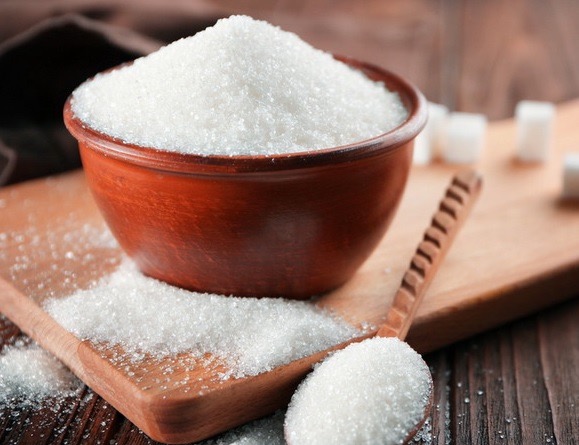
Yes, aspartame remains safe within the FDA's 50 mg/kg body weight ADI, supported by WHO and extensive reviews showing no adverse effects at typical intakes.[2][6]
No, aspartame facilitates weight loss by drastically cutting calories compared to sugar, with studies confirming reduced energy intake.[3][1]
Absolutely, aspartame exhibits no impact on blood glucose or insulin, making it diabetes-friendly per clinical evidence.[12][1]
Sugar alcohols like erythritol and dietary fibers provide low-calorie, natural options with added gut health benefits.[9][13]
Aspartame delivers intense, sugar-like sweetness with minimal calories, ideal for beverages like Diet Coke.[18]
[1](https://pmc.ncbi.nlm.nih.gov/articles/PMC4590273/)
[2](https://www.americanbeverage.org/education-resources/blog/the-world-health-organization-affirms-aspartame-is-safe/)
[3](https://www.dsbiochemical.com/news/approximating-the-conversion-ratio-of-aspartame-to-sugar-for-sweetness-comparison.html)
[4](https://mindthegraph.com/illustrations/aspartame-molecule/)
[5](https://www.foodsweeteners.com/aspartame-uses-and-application/)
[6](https://www.hhs.gov/answers/public-health-and-safety/is-aspartame-safe/index.html)
[7](https://www.healthline.com/health/food-nutrition/aspartame-poisoning)
[8](https://www.verywellhealth.com/sucralose-vs-aspartame-7551717)
[9](https://www.newnaturebio.com/top-10-sweetener-manufacturers-in-china.html)
[10](https://www.chla.org/blog/advice-experts/pass-sugar-or-honey-or-aspartame)
[11](https://www.nutrisense.io/blog/sucralose-aspartame)
[12](https://www.medicalnewstoday.com/articles/322266)
[13](https://pmc.ncbi.nlm.nih.gov/articles/PMC7504156/)
[14](https://www.tinyhealth.com/blog/sweeteners-101-how-sugar-alternatives-affect-your-gut)
[15](https://health.utoledo.edu/podcast/aspartame-cancer-risk-and-other-artificial-sweeteners-explained/index.html)
[16](https://www.who.int/news/item/14-07-2023-aspartame-hazard-and-risk-assessment-results-released)
[17](https://cancer.ca/en/cancer-information/reduce-your-risk/eat-well/reduce-added-sugars)
[18](https://www.coca-cola.com/us/en/brands/diet-coke/products)
[19](https://video.wskg.org/video/is-aspartame-safe-wv8dqh/)
[20](https://www.canr.msu.edu/news/video-aspartame)
[21](https://www.foodwatch.org/en/where-is-aspartame-hiding-in-our-everyday-products)
[22](https://www.youtube.com/watch?v=0onCakkjOsk)
[23](https://www.fruiterco.com/sweetener/)


