


Content Menu
● The Accidental Discovery of Aspartame
● Early Development and Challenges
● Scientific Background and Sweetness Profile
>> Chemical Structure and Sweetness Mechanism
>> Comparison with Other Sweeteners
● Aspartame in the Food and Beverage Industry
● Technological Advances and Formulation Strategies
● Safety Evaluations and Regulatory Status
● Impact on Public Health and Industry Trends
● FAQ
>> 1. What is aspartame chemically made of?
>> 2. How sweet is aspartame compared to sugar?
>> 3. Is aspartame safe to consume?
>> 4. Why is aspartame not used in baked goods?
>> 5. Can aspartame be combined with other sweeteners?
Aspartame, one of the most widely used artificial sweeteners in the world today, has a fascinating history rooted in scientific serendipity. This article delves deeply into aspartame's discovery, its development, safety debates, and ultimate acceptance globally. As a natural-component-based sweetener, it holds significant importance for food and beverage manufacturers worldwide, especially in sectors focusing on sugar reduction and healthier formulations.
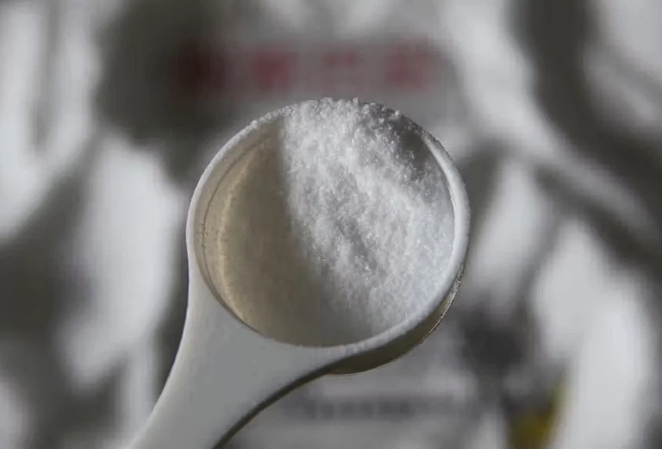
In 1965, James M. Schlatter, a chemist working for G.D. Searle & Company in Skokie, Illinois, was conducting research related to an anti-ulcer drug. During this biochemical synthesis, Schlatter was working with peptides — specifically combining amino acids aspartic acid and phenylalanine to make a tetrapeptide related to the hormone gastrin. By chance, Schlatter licked his finger to pick up a paper and noticed a distinctly sweet taste. This was the unexpected moment of discovering the sweet properties of aspartame.
Aspartame is a methyl ester of the dipeptide formed from L-aspartic acid and L-phenylalanine, occurring naturally in proteins but synthesized for commercial use. It is approximately 188 times sweeter than sucrose (table sugar) but contains the same calories per weight, making it a tempting substitute for sugar-restricted diets.
After Schlatter's sweet-finding surprise, G.D. Searle began rigorous testing to assess aspartame's potential as a sugar substitute. In 1973, Searle submitted data to the U.S. Food and Drug Administration (FDA) seeking approval to market aspartame. However, aspartame's path to approval was neither swift nor smooth.
The FDA initially raised concerns over scientific data submitted by Searle due to irregularities and procedural deficiencies. Moreover, fears regarding possible carcinogenic risks, especially links to brain tumors, prompted the FDA to delay approval. In 1980, a Public Board of Inquiry was organized by the FDA to investigate these cancer-causing concerns further. Ultimately, the Board concluded that aspartame did not cause brain damage or cancer, although it suggested additional studies to further confirm its safety.
Aspartame was eventually approved in 1981 for use in dry foods and in 1983 for carbonated beverages. Limitations on specific uses were removed entirely by the FDA in 1996, allowing aspartame in all foods and beverages.
Aspartame's sweetness is derived from the combination of two naturally occurring amino acids. When ingested, aspartame breaks down in the digestive system to yield:
- Aspartic acid
- Phenylalanine
- Methanol
Though methanol consumption is closely monitored due to toxicity at high levels, the quantities from controlled aspartame use are considered safe within regulatory limits. The human body processes these breakdown products naturally, as they also exist in many common foods.
Aspartame's sweetness profile is close to that of sugar, with some distinctions:
| Aspect | Aspartame | Sucrose (Table Sugar) |
|---|---|---|
| Sweetness Intensity | ~188 times sweeter | Baseline |
| Caloric Content | 4 kcal/g but used in tiny amounts | 4 kcal/g |
| Aftertaste | Slight delay and some report a mild aftertaste | Clean, full-bodied sweetness |
| Stability | Heat sensitive, breaks down under high temperature | Stable under heat |
Due to its sensitivity to heat, aspartame is primarily used in beverages, desserts, and cold products rather than baked goods unless special formulations are employed.
Aspartame stands out among artificial sweeteners for its sugar-like taste and relatively low aftertaste, unlike saccharin or some polyols that can impart bitterness. However, other newer sweeteners sometimes offer better thermal stability or longer shelf life. This has led manufacturers to combine aspartame with other sweeteners to achieve optimal flavor profiles and product performance.
Aspartame's introduction revolutionized low-calorie, sugar-free, and diet products. Its intense sweetness allowed manufacturers to reduce sugar content drastically without sacrificing palatability. Over the decades, aspartame has been incorporated into:
- Diet sodas and carbonated beverages
- Sugar-free chewing gum
- Low-calorie desserts and yogurt
- Pharmaceutical products such as chewable vitamins and medications
- Tabletop sweeteners for consumer convenience
In China and globally, the rise in health consciousness and concerns over obesity and diabetes has spurred the demand for natural and artificial sweeteners like aspartame. Our factory specializes in providing natural sweetener blends, including functional polyols and dietary fibers, to support customized sweetener development, tablet manufacturing, and OEM/ODM services to international manufacturers aiming to reduce sugar loads and enhance product health profiles.
Aspartame's intense sweetness enables manufacturers to use it in very low concentrations, which keeps caloric intake minimal for consumers. This feature makes it especially valuable for diabetic-friendly products or weight management formulas. Additionally, since aspartame contains phenylalanine, products containing it must carry warnings for people with phenylketonuria (PKU), a genetic disorder that prevents phenylalanine metabolism.

Due to some limitations—such as aspartame's sensitivity to heat, limited stability at low pH (in acidic beverages), and slight aftertaste—food scientists have developed advanced formulation strategies. These often include:
- Blending Aspartame with Other Sweeteners: Combining aspartame with sucralose, acesulfame potassium (Ace-K), or natural sweeteners enhances overall flavor, improves sweetness persistence, and masks any undesirable aftertaste. Such blends also improve thermal stability for better application in processed foods.
- Microencapsulation Techniques: Protecting aspartame molecules within coatings to shield them from heat, moisture, and acidic degradation during processing and storage.
- Synergistic Sweetener Mixtures: Innovative combinations exploit the synergistic effects of multiple sweeteners, allowing manufacturers to use less of each component while achieving a more sugar-like taste profile.
Our factory's expertise in formulating such composite sweeteners enables international manufacturers to develop tailor-made, health-conscious, and cost-effective sweetening systems aligned with regulatory standards and consumer expectations.
Aspartame's safety has been extensively reviewed by numerous international agencies, including:
- The U.S. Food and Drug Administration (FDA)
- The European Food Safety Authority (EFSA)
- The World Health Organization (WHO)
- The Joint FAO/WHO Expert Committee on Food Additives (JECFA)
All have concluded that aspartame is safe for human consumption within the Acceptable Daily Intake (ADI), which is 50 mg/kg body weight/day by FDA standards and 40 mg/kg/day by EFSA.
The most frequently cited concerns historically involved:
- Potential carcinogenic risks: Animal studies showed mixed data, but human epidemiological evidence has not confirmed increased cancer risk. Reviews of extensive studies have found no convincing link between aspartame intake and cancer or neurological disease under regulatory limits.
- Neurological and behavioral effects: Some anecdotal reports have linked aspartame consumption to headaches or mood changes, but controlled clinical trials have not consistently replicated these findings.
- Methanol toxicity: While methanol is a breakdown product, the quantity generated is far below doses associated with toxicity from natural foods like fruit juices.
Continuous research and post-market monitoring uphold aspartame's safety profile. Nevertheless, individuals with phenylketonuria (PKU) should avoid or limit dietary phenylalanine, including products with aspartame.
The discovery and commercialization of aspartame aligned well with increasing public attention on the health risks of excessive sugar consumption, including obesity, diabetes, and dental caries. It provided food and beverage producers with a tool to reduce calories and sugar content while maintaining taste appeal. This has contributed to the growth of the "diet" or "light" product market segment.
In recent years, there has been a broader emphasis on natural or "clean-label" sweeteners, prompting ongoing research into sweetener combinations that include aspartame with natural components such as stevia or monk fruit extracts.
For manufacturers requiring customizable product development, our factory's integrated capabilities in mix blended sweetener development, functional polyols, dietary fiber integration, and tablet pressing offer innovative solutions for global markets in food, beverage, and healthcare industries.
Aspartame was discovered purely by chance yet has become a cornerstone of the artificial sweetener industry globally. Its unique properties, sweetness potency, and low-calorie profile provide invaluable benefits in reducing added sugars in foods and beverages. Despite some public controversies, extensive scientific research and international regulatory evaluations confirm its safety when consumed within established limits. The continued innovation in sweetener technologies, including aspartame blends, supports the goal of offering healthier, palatable options that meet modern consumer preferences.
For manufacturers, especially those in food, beverage, and healthcare sectors, leveraging aspartame and composite sweeteners can provide a competitive edge in developing low-calorie and functional products aligned with global health trends.

Aspartame is a methyl ester of a dipeptide composed of two naturally occurring amino acids: L-aspartic acid and L-phenylalanine.
It is approximately 188 times sweeter than sucrose, so much smaller amounts are needed to achieve the same sweetness.
Regulatory agencies like the FDA and EFSA have approved aspartame as safe when consumed below the acceptable daily intake levels of 40-50 mg per kg body weight per day.
Aspartame breaks down at high temperatures, losing its sweetness, which limits its use in baked or heated products without special formulation.
Yes, composite sweeteners containing aspartame mixed with other sweeteners like sucralose or acesulfame potassium improve taste and stability, and reduce aftertaste effects.


