


Content Menu
● Regulatory Approvals for Sucralose
● Potential Health Concerns with Sucralose
● Sucralose in Special Populations
● Sucralose Compared to Other Sweeteners
● Everyday Uses and Benefits of Sucralose
● FAQ
>> 1. Is sucralose approved by the FDA?
>> 2. Does sucralose cause cancer?
>> 3. Can sucralose affect gut health?
>> 4. Is sucralose safe for diabetics?
>> 5. What is the safe daily intake of sucralose?
Sucralose stands as one of the most widely used artificial sweeteners today, providing a zero-calorie option that delivers intense sweetness without the caloric load of sugar. Derived from sucrose through a chlorination process, sucralose offers about 600 times the sweetness of table sugar, making it ideal for a vast array of food and beverage applications. Approved by regulatory bodies worldwide, including the FDA, sucralose has been subjected to rigorous safety evaluations, yet public discourse continues to question its long-term effects, particularly in light of recent studies on gut health and metabolism. This comprehensive article examines sucralose's safety profile in depth, drawing from scientific studies, regulatory data, potential concerns, and practical uses, while integrating insights relevant to manufacturers in the food, beverage, and healthcare sectors specializing in natural sweeteners, functional polyols, and dietary fibers.[1][2][3][4]
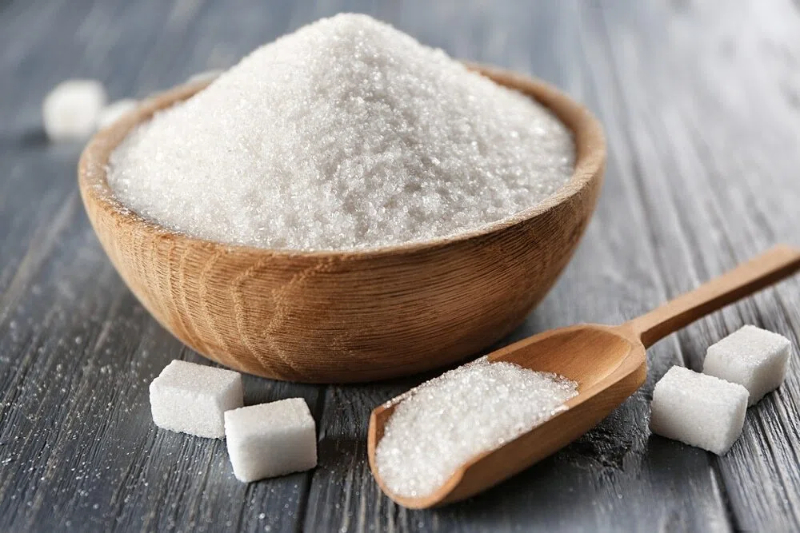
Sucralose is a non-nutritive sweetener chemically engineered from sucrose, the common table sugar, by replacing three hydroxyl groups with chlorine atoms to create a stable, calorie-free compound. This modification prevents sucralose from being broken down by the body's digestive enzymes, allowing approximately 85% of ingested sucralose to pass through the gastrointestinal tract unchanged and be excreted in feces, with the remainder eliminated via urine. Discovered accidentally in 1976 during research at Queen Elizabeth College in London—when a scientist misheard "test" as "taste" and sampled the compound—sucralose quickly gained traction under the brand name Splenda, transforming the landscape of low-calorie sweetening options.[2][5][6][1]
The molecular formula of sucralose, C12H19Cl3O8, closely mirrors sucrose (C12H22O11), but its chlorinated structure confers remarkable properties, including high heat stability up to 200°C and a clean, sugar-like taste without bitter aftertastes common in some alternatives. Sucralose's non-fermentable nature means it does not promote tooth decay, positioning it as a valuable ingredient in oral care products like chewing gums and toothpastes. In everyday products, sucralose appears in diet sodas, protein shakes, yogurts, candies, and even pharmaceuticals, where precise dosing is crucial for patient compliance in managing diabetes or obesity.[3][7][8][9][10]
For factories like ours, focused on OEM/ODM services for blended sweeteners, tablets, and health solutions, sucralose serves as a cornerstone ingredient. We combine it with natural sweeteners, polyols like erythritol, and dietary fibers such as inulin to create synergistic formulations that enhance mouthfeel, stability, and nutritional profiles for international clients in food, beverage, and medical healthcare industries. Sucralose's versatility extends to baking, where it retains sweetness during high-heat processes, unlike aspartame, enabling innovative low-sugar baked goods and confections.[11][12][1]
The U.S. Food and Drug Administration (FDA) granted sucralose approval in 1998 as a general-purpose sweetener following an exhaustive review of over 110 safety studies encompassing toxicology, metabolism, carcinogenicity, and reproductive effects. This approval came after initial limited use in 15 food categories, reflecting confidence in sucralose's inert nature at typical consumption levels. The European Food Safety Authority (EFSA), Joint FAO/WHO Expert Committee on Food Additives (JECFA), and Health Canada have similarly endorsed sucralose, establishing an Acceptable Daily Intake (ADI) of 0-5 mg per kg of body weight—translating to about 23 packets of Splenda or 10-12 cans of diet soda daily for a 70 kg adult.[4][8][2][11]
Regulatory evaluations included chronic feeding studies in rodents and primates, where sucralose comprised up to 3% of diets—doses thousands of times higher than human exposure—without evidence of tumors, organ damage, or behavioral changes. In the European Union, sucralose received full approval in 2004 after the Scientific Committee on Food (SCF) validated JECFA's assessments. Over 100 countries, including Japan, Australia, and Brazil, have authorized sucralose, with Japan's Ministry of Health, Labour and Welfare confirming its safety based on identical data sets.[8][1][3]
These approvals underscore sucralose's global consensus on safety, with ongoing post-market surveillance ensuring continued compliance. For OEM manufacturers providing mixed sweetener developments and tablet production, adherence to these standards guarantees products meet international export requirements, particularly for healthcare applications where sucralose's stability in compressed tablets is invaluable.[4]
Over 100 peer-reviewed studies, many funded independently, affirm sucralose's safety across diverse endpoints. Long-term rodent studies spanning two years showed no oncogenic potential, even at maximum tolerated doses, while multigenerational reproductive trials in rats revealed no impacts on fertility or offspring development. Human clinical trials, including those with diabetics, demonstrate that sucralose exerts no influence on blood glucose, insulin secretion, or glycosylated hemoglobin (HbA1c) levels, making it a reliable tool for glycemic control.[1][8][11]
Meta-analyses of randomized controlled trials, such as the 2019 BMJ systematic review, analyzed data from dozens of studies and found no significant associations between non-sugar sweeteners like sucralose and body mass index, cardiovascular events, or mortality. Sucralose's pharmacokinetic profile—rapid absorption in the small intestine, minimal metabolism, and quick excretion—prevents bioaccumulation, a key factor in its favorable safety margin. Neurotoxicity tests, including those on learning and memory in animals, consistently report no adverse effects.[6][13][3]
In vitro genotoxicity assays and in vivo comet assays further confirm sucralose does not damage DNA or induce mutations. For food technologists blending sucralose with functional polyols and fibers, these studies provide reassurance in developing products that support weight management without compromising safety.[1][4]
Despite robust approvals, emerging research has spotlighted potential issues, particularly sucralose's interaction with the gut microbiome. Animal studies, such as a 2022 Frontiers in Nutrition paper, indicate low doses of sucralose alter microbial diversity in mice, reducing beneficial bacteria like Bifidobacterium and potentially elevating inflammation markers. Human observational data suggest minor shifts in fecal microbiota composition, though these rarely translate to clinical symptoms like dysbiosis or gastrointestinal distress.[9][14][15]
A 2023 study highlighted sucralose-6-acetate, an impurity formed during manufacturing, as genotoxic in lab tests, activating cancer-related pathways at concentrations far exceeding real-world exposure. Population studies link frequent sucralose intake to elevated cardiovascular risks and stroke incidence, but these are confounded by overall poor diets and cannot establish causation. Anecdotal reports of side effects—migraines, bloating, allergic reactions—persist, yet controlled trials rarely substantiate them beyond placebo levels.[13][16][17][9]
The World Health Organization's 2022 review advised against non-sugar sweeteners for weight control due to limited long-term benefits, though it did not flag specific dangers for sucralose. In our OEM formulations, we mitigate such concerns by pairing sucralose with prebiotic fibers that nurture gut health, ensuring balanced, science-backed health solutions.[18][8]
Sucralose poses no unique risks for pregnant women, with minimal placental transfer and no developmental toxicities observed in teratology studies. Pediatric safety is affirmed by the ADI's conservative margins, protecting children who consume sweetened cereals or beverages. For diabetics, meta-analyses confirm sucralose's neutrality on glucose homeostasis, aiding dietary adherence without caloric penalty.[3][11][4]
Elderly consumers experience no alterations in cognitive function, bone health, or pharmacokinetics from sucralose use. Athletes leverage sucralose in energy drinks for hydration without glycemic spikes. Our tablet OEM services incorporate sucralose precisely for diabetic medications and supplements, prioritizing safety across demographics.[10][11]
| Sweetener | Sweetness vs. Sugar | Calories per Gram | ADI (mg/kg body wt.) | Stability in Heat | Key Safety Notes |
|---|---|---|---|---|---|
| Sucralose | 600x | 0 | 5 | Excellent | FDA-approved; emerging gut data |
| Aspartame | 200x | 4 | 50 | Poor | PKU warning |
| Stevia | 300x | 0 | 4 | Good | Natural origin |
| Erythritol | 0.6x | 0.2 | N/A | Excellent | Cooling effect, digestive tolerance |
| Sugar | 1x | 4 | N/A | Excellent | Dental caries, obesity risks |
Sucralose outperforms in baking applications and taste profile.[2]
Sucralose sweetens beverages, dairy, snacks, and pharmaceuticals seamlessly. Its benefits include aiding weight loss by displacing calories, supporting oral health, and enabling diabetic-friendly recipes. In baking, sucralose maintains volume and texture in low-sugar cakes and cookies. For beverage manufacturers, it ensures clarity and shelf stability in diet drinks.[3]
Our factory's expertise shines in custom blends, like sucralose with mannitol for chewable tablets or inulin for fiber-enriched bars, delivering OEM excellence for global health markets.[12]
Sucralose remains a cornerstone of safe, effective sweetening, substantiated by decades of rigorous studies and unwavering regulatory support, even as research evolves on microbiome effects. When consumed within ADI limits, its benefits in calorie reduction and versatility far eclipse potential risks. As specialists in natural sweeteners, polyols, fibers, and OEM/ODM services, we integrate sucralose thoughtfully into innovative solutions for food, beverage, and healthcare manufacturers worldwide.
Yes, the FDA approved sucralose in 1998 after reviewing over 110 studies, confirming its safety for general food use.[2][4]
Regulatory bodies classify sucralose as non-carcinogenic based on extensive animal and human data, dismissing outlier rodent findings.[8][3]
Animal studies note microbiome alterations, but human evidence shows minimal clinical impact at approved doses.[14][9]
Absolutely; it does not raise blood sugar or insulin levels, as proven in clinical trials.[11]
The ADI is 5 mg/kg body weight, accommodating substantial daily consumption safely.[8][11]
[1](https://www.sciencedirect.com/science/article/abs/pii/S0273230009000786)
[2](https://www.sciencedirect.com/topics/food-science/sucralose)
[3](https://www.webmd.com/diet/what-to-know-about-sucralose)
[4](https://www.fda.gov/food/food-additives-petitions/aspartame-and-other-sweeteners-food)
[5](https://www.pearson.com/channels/gob/asset/18afe007/allied-health-the-structure-of-sucralose-found-in-the-artificial-sweetener-splen?ITPEP=plusAuthHP)
[6](https://www.sciencedirect.com/topics/medicine-and-dentistry/sucralose)
[7](https://www.sucralose.in/suger-vrs-sucralose.php)
[8](https://ific.org/insights/everything-you-need-to-know-about-sucralose/)
[9](https://www.healthline.com/health-news/sucralose-a-common-artificial-sweetener-may-increase-cancer-risk)
[10](https://create.vista.com/photos/sucralose/)
[11](https://www.rupahealth.com/post/what-is-sucralose-and-is-it-a-healthy-sugar-alternative)
[12](https://stock.adobe.com/search?k=sucralose)
[13](https://www.bmj.com/content/364/bmj.k4718)
[14](https://www.frontiersin.org/journals/nutrition/articles/10.3389/fnut.2022.848392/full)
[15](https://www.frontiersin.org/journals/physiology/articles/10.3389/fphys.2017.00487/full)
[16](https://healthinkwell.com/sucralose-dangers/)
[17](https://healthyfocus.org/7-sucralose-side-effects/)
[18](https://www.who.int/publications/i/item/9789240046429)
[19](https://pmc.ncbi.nlm.nih.gov/articles/PMC7584803/)


