
Views: 222 Author: Sara Publish Time: 2025-12-15 Origin: Site


Content Menu
● Understanding Artificial Sweeteners
● Acceptable Daily Intake (ADI) Fundamentals
● Deep Dive into Aspartame Safety
● Sucralose: Versatile Heat-Stable Sweetener
● Exploring Acesulfame Potassium and Saccharin
● Natural Sweeteners vs. Artificial Options
● Health Benefits of Daily Sweetener Use
● Addressing Risks and Common Myths
● Practical Consumption Strategies
● Special Populations and Guidelines
● FAQ
>> 1. What defines safe sweetener intake?
>> 2. How much aspartame equals one diet soda?
>> 3. Can sweeteners aid weight loss?
>> 4. Are all sweeteners heat-stable?
>> 5. Do natural sweeteners have higher ADI?
Artificial sweeteners offer a calorie-free way to enjoy sweetness in everyday foods and drinks, making them a staple for health-conscious consumers worldwide. These sweeteners, rigorously tested by regulatory agencies, provide safe alternatives to sugar when used within established limits. Determining how much artificial sweetener is safe per day hinges on understanding Acceptable Daily Intake (ADI) levels set by bodies like the FDA and EFSA.
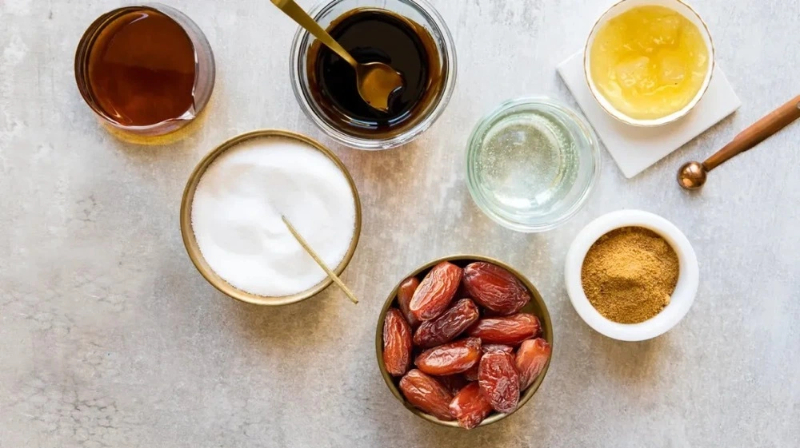
Artificial sweeteners mimic sugar's taste but deliver it with minimal or no calories, revolutionizing diets for weight management and diabetes control. Common sweeteners include aspartame, sucralose, acesulfame potassium (Ace-K), saccharin, and others like neotame, each engineered for specific uses in beverages, baking, or tabletop applications. As a sweetener, aspartame excels in cold drinks due to its clean profile, while sucralose stands out as a heat-stable sweetener for cooking.[6]
The popularity of these sweeteners stems from their intense potency—often hundreds of times sweeter than sugar—allowing tiny amounts to suffice. For instance, one packet of artificial sweetener can equal multiple teaspoons of sugar, aiding portion control effortlessly. Regulatory approval ensures that each sweetener undergoes extensive toxicology studies, confirming safety margins far beyond typical human consumption. This sweetener safety framework reassures users that moderate intake poses no health risks.[7]
Sweeteners also vary in stability and synergy; Ace-K often blends with aspartame to mask any aftertaste, creating a more sugar-like experience as a combined sweetener. Saccharin, one of the oldest sweeteners, has overcome early concerns through decades of research, solidifying its role as a reliable sweetener option. Modern innovations like advantame push sweetness levels even higher, minimizing the quantity needed daily.
ADI defines the amount of a sweetener safe for lifelong daily consumption, derived by dividing no-observed-adverse-effect levels (NOAEL) by a 100-fold safety factor to account for variability across populations. This conservative approach ensures sweeteners remain safe even for vulnerable groups like children or the elderly. For a 70kg adult, ADI translates into practical equivalents, such as dozens of diet sodas or sweetener packets, far exceeding average use.
Here's a detailed ADI table for major sweeteners:
| Sweetener | FDA ADI (mg/kg body weight/day) | 70kg Adult Daily Limit (mg) | Approximate Packets/Day |
|---|---|---|---|
| Aspartame | 50 | 3,500 | 100+ |
| Sucralose | 5 | 350 | 70 |
| Acesulfame Potassium | 15 | 1,050 | 21 |
| Saccharin | 5 | 350 | 9 |
| Steviol Glycosides | 4 | 280 | Varies |
| Neotame | 18 | 1,260 | Minimal |
This table highlights how generous ADI levels are for sweeteners, with most people consuming well below thresholds. Factors like body weight adjust personal limits—smaller individuals scale down proportionally—emphasizing personalized sweetener tracking.
Aspartame, a widely used artificial sweetener, breaks down into aspartic acid, phenylalanine, and methanol—components naturally found in foods like milk or fruit. Its ADI of 50 mg/kg by FDA (40 mg/kg EFSA) allows substantial intake; a 60kg person could safely consume about 70 packets daily. Extensive reviews, including over 100 studies, affirm no links to cancer, neurological issues, or other harms at these levels.[2]
Phenylketonuria (PKU) patients must limit aspartame due to phenylalanine, but labels ensure awareness. Recent WHO "possibly carcinogenic" classification applies only to extreme doses irrelevant to human diets, upholding the sweetener's safety. Aspartame's role as a sweetener in diet products supports weight loss without compromising flavor, backed by clinical trials.
Long-term metabolic studies show aspartame processes like dietary protein, posing no unique risks as a sweetener. Global consensus from JECFA reinforces its status as one of the most scrutinized food additives.
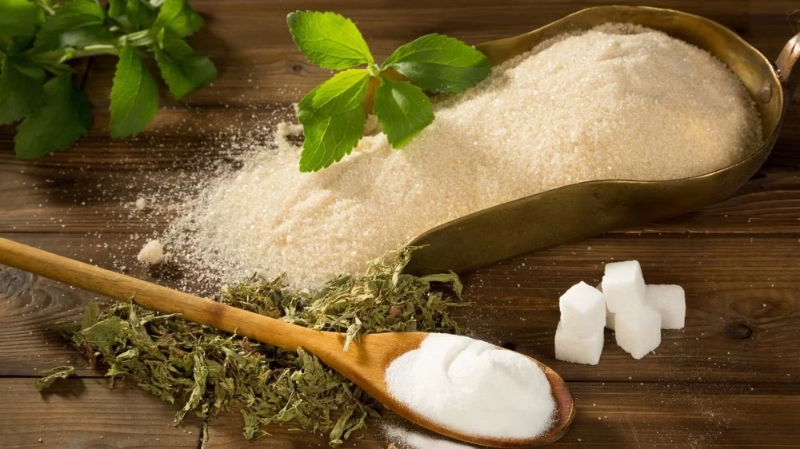
Sucralose, chlorinated sucrose derivative, delivers 600 times sugar's sweetness and passes 85% unmetabolized, earning a 5 mg/kg ADI. This makes it a premier baking sweetener, unlike aspartame which degrades in heat. Daily limits equate to 23 packets for a 70kg adult, accommodating heavy users comfortably.
Research debunks myths of gut disruption or weight gain; randomized trials confirm sucralose aids calorie reduction without metabolic harm. As a sweetener, its stability enhances product shelf life, benefiting manufacturers and consumers alike. Ongoing studies explore microbiome effects, consistently finding no adverse changes at ADI.
Ace-K, 200 times sweeter than sugar, boasts a 15 mg/kg ADI and excels in blends, improving overall sweetener profiles. It resists digestion, minimizing caloric impact while providing robust sweetness. Saccharin, with a 5 mg/kg ADI, overcame 1970s bladder cancer fears in rats—irrelevant to humans—through modern epidemiology.
Both sweeteners undergo heat well, suiting diverse applications from gums to yogurts. Their longevity as approved sweeteners underscores rigorous safety evolution.
Natural sweeteners like stevia (4 mg/kg ADI) derive from plants, appealing to "clean label" preferences, while artificial sweeteners offer superior consistency and cost-efficiency. Stevia may impart bitterness, but artificial counterparts provide sugar-mimicking taste.
| Feature | Artificial Sweeteners | Natural Sweeteners |
|---|---|---|
| Processing Stability | Excellent | Variable |
| Caloric Impact | Zero | Near-Zero |
| Cost per Sweetness | Low | Higher |
| Taste Consistency | Uniform | Can Vary |
Artificial sweeteners dominate high-volume production due to scalability.
Sweeteners facilitate sugar reduction, cutting calories by up to 90% in reformulated products. Diabetics benefit from low glycemic indices, preventing blood sugar spikes. Weight management studies show sweetener users lose more fat than sugar consumers.
Dental advantages arise from non-fermentability, reducing caries risk. Cardiovascular health improves via lower obesity rates in sweetener-inclusive diets.
Observational links to gut microbiota shifts exist, but controlled trials refute causation for approved sweeteners. Cancer meta-analyses across millions confirm safety. "Sweetener cravings" myths ignore behavioral factors, not inherent properties.
Label reading tracks hidden sweeteners in products. Diversify sources to avoid overload. Apps calculate personal ADI based on weight and intake. For families, child-adjusted limits (e.g., half adult for kids) ensure safety.
Cooking with sweeteners like sucralose maintains recipes' appeal.
Pregnant individuals adhere to ADI without fetal risks. Children, with lower weights, consume less proportionally. Those with IBS monitor tolerance, favoring gentle sweeteners.
Artificial sweeteners deliver safe, effective sweetness within ADI guidelines from trusted regulators, empowering healthier choices without sacrifice. Prioritizing moderation alongside balanced nutrition maximizes benefits. Embrace sweeteners knowledgeably for sustained well-being.

Safe intake follows ADI, the lifetime daily limit with a 100-fold safety margin set by FDA/EFSA.
Typically 180-200mg per 12oz can; ADI allows 18+ cans for average adults.
Yes, by replacing sugar calories, supported by clinical evidence.
No, sucralose and Ace-K yes; aspartame best for cold uses.
No, both types have comparable ADI based on safety data.


