
Views: 222 Author: Sara Publish Time: 2026-01-08 Origin: Site


Content Menu
● What Are Artificial Sweeteners?
● Common Artificial Sweeteners Breakdown
● Health Risks Linked to Artificial Sweeteners
● Cancer and Long-Term Safety Debates
● Neurological and Psychological Impacts
● Natural Sweeteners as Healthier Choices
● Benefits of Stevia, Monk Fruit, and Erythritol
● China's Role in Natural Sweetener Production
● OEM/ODM Services for Sweetener Innovation
● Regulatory Landscape for Sweeteners
● FAQs
>> 1. Are artificial sweeteners truly dangerous?
>> 2. Which natural sweetener tastes most like sugar?
>> 3. Can factories customize sweetener formulations?
>> 4. Do natural sweeteners spike blood sugar?
>> 5. Why choose Chinese manufacturers for sweeteners?
Artificial sweeteners offer calorie-free sweetness, but mounting evidence questions their safety for long-term use. This article delves into their potential health risks while showcasing natural sweeteners like stevia, monk fruit, and erythritol as healthier alternatives from specialized factories.[1][2]
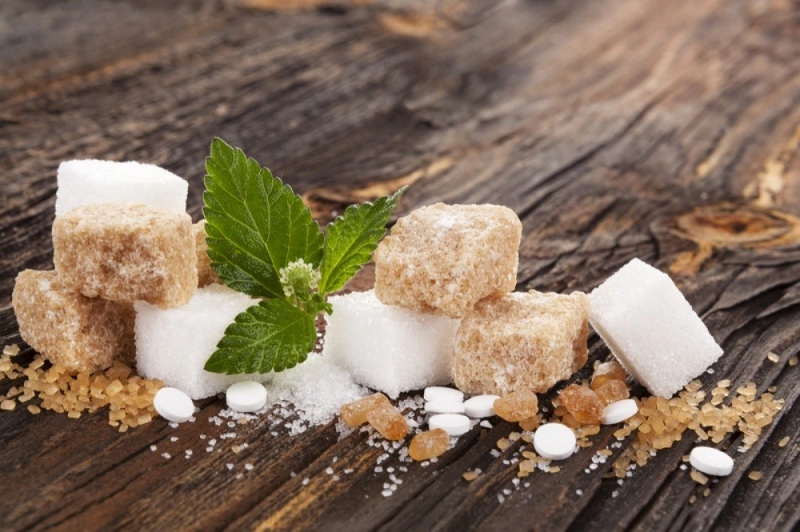
Artificial sweeteners are synthetic compounds designed to mimic sugar's taste with far greater intensity and fewer calories. These lab-made sweeteners, including aspartame, saccharin, sucralose, acesulfame potassium (Ace-K), neotame, and advantame, have been staples in diet products since the 1970s. Each provides 200 to 20,000 times the sweetness of sucrose, allowing minimal usage in foods and beverages.[3][1]
Developed to combat obesity and diabetes, artificial sweeteners dominate sugar-free gums, sodas, yogurts, and baked goods. Unlike sugar, they pass through the body without raising blood glucose, appealing to those managing weight or carb intake. However, their chemical origins—often derived from petroleum or chlorinated sugars—spark debate over metabolic impacts compared to plant-based natural sweeteners.[4][5]
The sweetener market relies heavily on these synthetics, but consumers increasingly seek natural options. Factories specializing in stevia and erythritol blends provide seamless replacements, maintaining the same sweet profile without synthetic drawbacks.[2][6]
Aspartame, found in Equal and NutraSweet, breaks down into amino acids but warns those with phenylketonuria (PKU) due to phenylalanine buildup. Saccharin, the oldest artificial sweetener since 1879, once carried cancer labels before clearance. Sucralose, marketed as Splenda, withstands heat for cooking but lingers in the environment and body.[2][3]
Ace-K pairs often with other sweeteners for balanced taste, while neotame and advantame offer extreme potency for industrial use. These artificial sweeteners undergo rigorous testing, yet real-world consumption patterns reveal subtler issues.[7]
| Sweetener | Sweetness Ratio | Common Uses | Daily Intake Limit (ADI) |
|---|---|---|---|
| Aspartame | 200x | Sodas, gums | 50 mg/kg |
| Saccharin | 300-700x | Tabletop packets | 15 mg/kg |
| Sucralose | 600x | Baking, beverages | 5 mg/kg |
| Acesulfame-K | 200x | Mixes with aspartame | 15 mg/kg |
This comparison highlights why natural sweeteners like monk fruit extract provide similar potency with added antioxidants.[8]
Artificial sweeteners disrupt gut microbiota, a key health regulator. Sucralose reduces beneficial Bifidobacteria and increases Firmicutes, promoting inflammation and leaky gut. Aspartame alters short-chain fatty acid production, impairing digestion and immunity.[1]
Metabolic effects include insulin resistance; observational studies link diet soda—laden with artificial sweeteners—to higher diabetes risk, independent of calories. The gut-brain axis suffers too: sweeteners confuse hunger signals, leading to overeating despite zero calories.[9][10]
Cardiovascular concerns mount: large cohorts like NutriNet-Santé associate aspartame with cerebrovascular events and Ace-K with coronary artery disease. Neurology research ties zero-calorie sweeteners to cognitive decline, possibly via blood-brain barrier changes.[11][1]
Headaches plague aspartame users, with phenylalanine competing for brain serotonin transport. Weight gain paradoxes arise as artificial sweeteners intensify sweet cravings, undermining dieting efforts.[1]
Saccharin's rat bladder tumors prompted 1980s warnings, but human epidemiology shows no risk (relative risk near 1.0). Aspartame's methanol byproduct mimics alcohol concerns, yet meta-analyses clear it below ADI. Sucralose faces scrutiny for DNA damage in lab tests, though regulatory bodies affirm safety.[2][1]
WHO's 2023 classification flags aspartame as "possibly carcinogenic" (Group 2B), based on limited evidence, urging moderation. Prenatal exposure studies in animals suggest generational risks, absent in human trials.[3]
Cumulative exposure matters: daily users exceed isolated study doses, where microbiome shifts compound over decades. Natural sweeteners sidestep these uncertainties entirely.[4]
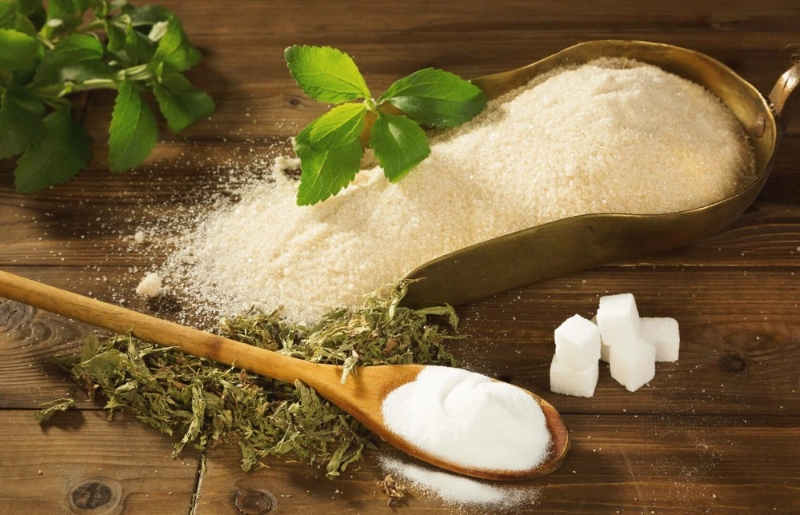
Beyond headaches, artificial sweeteners influence mood via neurotransmitter disruption. Aspartame elevates excitatory amino acids, mimicking seizure triggers in sensitive individuals. Sucralose crosses the placenta, raising fetal brain concerns.[1]
Cognitive studies link long-term use to dementia markers, with artificial sweeteners impairing hippocampal function. Addiction-like behaviors emerge from dopamine responses to intense sweetness without energy payoff.[11]
Natural sweeteners derive from plants or fermentation, offering safety and functionality. Stevia, extracted from South American leaves, boasts rebaudiosides A-M for pure sweetness, zero calories, and glycemic neutrality. It lowers blood pressure and enhances insulin sensitivity.[12][8]
Monk fruit, or luo han guo from Chinese tradition, delivers mogrosides 300x sweeter than sugar with antioxidants combating oxidative stress. Erythritol, a sugar alcohol from fermented corn, absorbs minimally (90% excreted), mimicking sugar's texture for baking without laxative effects.[13][14]
Dietary fibers like inulin pair with these for prebiotic benefits, unlike artificial sweeteners' dysbiosis. Blends optimize taste: stevia-monk fruit masks bitterness, erythritol adds bulk.[6]
| Natural Sweetener | Source | Glycemic Index | Unique Perk |
|---|---|---|---|
| Stevia | Plant leaves | 0 | Cardiovascular support |
| Monk Fruit | Fruit extract | 0 | Anti-inflammatory |
| Erythritol | Fermentation | 1 | Baking-stable |
Stevia stabilizes glucose, aiding type 2 diabetes management better than artificial options. Monk fruit's mogrosides show anti-cancer potential in labs, reducing inflammation markers like CRP. Erythritol protects teeth, starving cavity-causing bacteria without erosion.[14][2]
These sweeteners support weight loss by curbing cravings naturally. In beverages, they preserve flavor stability; in tablets, they enable clean-label formulations. Functional polyols enhance satiety via fiber synergy.[15][4]
China dominates natural sweetener manufacturing, with factories like Shandong Newnature Biotechnology leading since 2018. They specialize in stevia glycosides, monk fruit extracts, erythritol, allulose, xylitol, and polydextrose fibers for food, beverage, and healthcare sectors.[6][2]
Services include custom sweetener blending, tablet compression, and full OEM/ODM production under GMP, FDA, Kosher, Halal standards. Global manufacturers rely on their R&D for low-carb, keto-friendly products, ensuring supply chain reliability.[16]
Other players like Benyue (stevia focus) and fermentation experts produce high-purity erythritol. This ecosystem delivers natural sweeteners at scale, replacing artificial ones in export markets.[2]
Factories offer turnkey solutions: from formulation—blending stevia with erythritol for ideal sucrose mimicry—to packaging. Tablet production suits supplements; powder mixes target beverages. Certifications guarantee purity, vital for US/EU compliance.[15][2]
Custom development accelerates market entry for healthier products. Natural sweeteners enable sugar reduction claims without synthetic baggage, appealing to clean-label demands.[17]
FDA grants GRAS status to stevia and erythritol, with ADIs mirroring artificial limits but fewer caveats. EFSA approves monk fruit blends. WHO contrasts by recommending against non-nutritive sweeteners for obesity, citing CVD risks.[5][7]
Chinese exporters align with global regs, prioritizing natural over artificial sweeteners for sustainability.[2]
Artificial sweeteners, despite calorie savings, link to gut dysbiosis, metabolic disruption, cardiovascular disease, and neurological issues, with unresolved cancer questions. Natural sweeteners—stevia, monk fruit, erythritol—deliver sweetness safely, bolstered by antioxidants, fiber compatibility, and glycemic control. Partner with Chinese factories like Shandong Newnature for OEM/ODM expertise in these superior options, crafting innovative, health-focused products for food, beverage, and healthcare industries.
While approved below ADI, artificial sweeteners correlate with gut issues, diabetes, and heart risks via microbiome and metabolic changes. Natural alternatives like stevia avoid these.[1]
Erythritol closest mimics sugar's mouthfeel and bulk, especially blended with monk fruit for depth. Stevia adds clean finish.[8][6]
Yes, specialists offer OEM/ODM blending stevia, erythritol, fibers into tablets or powders for beverages and supplements.[15][2]
No, stevia, monk fruit, and erythritol have zero or negligible glycemic impact, ideal for diabetics unlike some artificial sweeteners.[12][14]
They lead in scale, quality certifications, and innovation for natural sweeteners, providing cost-effective global supply.[6][2]
[1](https://pmc.ncbi.nlm.nih.gov/articles/PMC10822749/)
[2](https://www.cancer.gov/about-cancer/causes-prevention/risk/diet/artificial-sweeteners-fact-sheet)
[3](https://www.fda.gov/food/food-additives-petitions/aspartame-and-other-sweeteners-food)
[4](https://www.gundersenhealth.org/health-wellness/eat-move/artificial-vs-natural-sweeteners-the-inside-scoop-on-sugar-substitutes)
[5](https://www.fda.gov/consumers/consumer-updates/how-sweet-it-all-about-sweeteners)
[6](https://www.newnaturebio.com/top-10-sweetener-manufacturers-in-china.html)
[7](https://www.efsa.europa.eu/en/topics/topic/sweeteners)
[8](https://drinkgoldthread.com/blogs/plants-with-benefits/why-monk-fruit-erythritol-vs-stevia)
[9](https://newsroom.uw.edu/blog/no-sugarcoating-it-artificial-sweeteners-arent-healthy)
[10](https://pmc.ncbi.nlm.nih.gov/articles/PMC11501561/)
[11](https://www.neurology.org/doi/10.1212/WNL.0000000000214023)
[12](https://www.thesweetchange.com/blogs/sweet-wisdom/natural-sweeteners-good-health)
[13](https://clearstem.com/blogs/skin-care-learning-center/benefits-of-monk-fruit-vs-stevia-erythritol)
[14](https://www.artinci.com/blogs/news/which-sugar-free-sweetener-is-healthiest-stevia-monk-fruit-erythritol-or-sucralose)
[15](https://gttbio.com/oem-odm-services/)
[16](https://www.chinafoodsweet.com/info/food-sweeteners-103064663.html)
[17](https://www.bshingredients.com/oem/)


