


Content Menu
● Chemical Synthesis of Artificial Sweeteners
● Extraction and Purification of Natural Sweeteners
● Fermentation-Based Production of Polyol Sweeteners
● Production of Glucose and Glucose-Fructose Syrups
● Functional Dietary Fibers as Sweeteners
● Integration of Sweeteners into Products
● Advances and Innovations in Sweetener Manufacturing
● FAQ
>> 1. What are the main types of sweeteners?
>> 2. How is aspartame produced?
>> 3. What is the role of fermentation in sweetener production?
>> 4. How are natural sweeteners extracted?
>> 5. What applications do sweeteners have besides taste enhancement?
Sweeteners, widely used in the food, beverage, and healthcare industries, enable products to enjoy sweetness without the calories and health impacts of traditional sugars. The production of sweeteners involves diverse processes depending on their type—natural, artificial, or functional polyols. This article explores the comprehensive manufacturing methods behind various sweeteners, highlighting the chemistry, biotechnology, and engineering involved. Visual aids and videos (where possible) augment the understanding of these processes, focusing on the production of natural sweeteners, artificial sweeteners, fermentation-derived polyols, and fiber-based sweeteners.

Sweeteners are substances used to impart a sweet taste to foods and drinks. They fall into broad categories:
- Natural sweeteners derived from plants (e.g., stevia, monk fruit).
- Artificial sweeteners generated through chemical synthesis (e.g., aspartame, sucralose).
- Functional polyols (sugar alcohols) produced mainly through fermentation (e.g., erythritol, xylitol).
- Dietary fibers with sweetening properties, increasingly used in health-oriented formulations.
These sweeteners serve not only to enhance flavor but also to reduce sugar content, lower calories, and improve health profiles in products ranging from soft drinks to dietary supplements.
Artificial sweeteners are primarily produced through controlled chemical reactions and enzymatic conversions. For example:
- Aspartame is synthesized by chemically bonding two amino acids, aspartic acid and phenylalanine. This involves protecting groups, dehydration, coupling, and esterification steps to form a compound approximately 200 times sweeter than sugar. The process demands high precision to ensure the final product's purity and safety, using advanced purification methods such as chromatography and crystallization.
- Sucralose is made enzymatically by selectively replacing certain hydroxyl groups in the sucrose molecule with chlorine atoms, making it heat stable and intensely sweet. This selective chlorination preserves the overall structure of sucrose while drastically increasing sweetness and thermal stability.
- Acesulfame-K is produced using chemical intermediates and cyclization reactions, resulting in a potassium salt about 120 times sweeter than sucrose. Its stability at high temperatures and solubility make it ideal for a wide range of food and beverage applications.
Additionally, other artificial sweeteners like saccharin and neotame are synthesized through variations of sulfonation and hydrogenation reactions. These synthetic routes require strict handling to avoid impurities and ensure food safety compliance.

Natural sweeteners such as steviol glycosides from the stevia plant involve an extraction process from leaves:
1. Harvesting mature stevia leaves at optimal seasons to maximize glycoside content.
2. Extraction using water or alcohol solvents to obtain crude sweet compounds. Hot water extraction is common, allowing solubilization of the sweet glycosides.
3. Purification through filtration, ion-exchange chromatography, crystallization, and drying to isolate specific glycosides such as stevioside and rebaudioside A, which differ in sweetness intensity and flavor profiles.
Similarly, monk fruit extract (Luo Han Guo) sweeteners undergo a process where the fruit is crushed, and the natural mogrosides are extracted via water or alcohol, then refined through filtration and chromatography to concentrate the sweetness components.
The quality of natural sweeteners depends highly on agricultural practices, harvest timing, and extraction parameters. Advances in biotechnology have also enabled bioengineering of yeast or plant cultures to produce these compounds more efficiently in controlled environments.
Polyols like erythritol, xylitol, and sorbitol are sugar alcohols valued for their low-calorie content and dental benefits. Their production involves microbial fermentation and chemical hydrogenation:
- Starch or plant biomass (typically corn or wheat) is first hydrolyzed by enzymes such as amylase to convert polysaccharides into monosaccharides like glucose.
- For erythritol, specific yeast strains such as Moniliella pollinis or Yarrowia lipolytica ferment glucose aerobically. During fermentation, erythritol accumulates and is subsequently recovered through filtration, crystallization, and drying.
- Xylitol production involves extraction of xylose from wood chips or corn cobs, followed by catalytic hydrogenation converting xylose into xylitol. Alternatively, microbial fermentation methods are gaining interest to reduce environmental impact.
- Sorbitol is produced by catalytic hydrogenation of glucose sourced from starch hydrolysates.
These fermentation processes are highly sustainable compared to chemical synthesis, with bioreactors optimized for yield, purity, and cost-effectiveness. They also result in sweeteners with favorable physiological properties, such as low glycemic index and prebiotic effects.
Sweeteners commonly used in large-scale food manufacturing include glucose syrups and high-fructose corn syrup:
- These syrups are made by enzymatic hydrolysis of corn or wheat starch. Initially, starch is liquefied using heat and α-amylase, followed by further breakdown into glucose through glucoamylase enzymes.
- For fructose-rich syrups, additional enzymatic isomerization converts glucose to fructose using glucose isomerase. Depending on the desired ratio, syrups can contain anywhere from 42% to 90% fructose.
- These syrups are concentrated, purified by filtration and ion-exchange treatment, and then blended to provide customized sweetness levels and functional properties tailored for beverages, baked goods, and processed foods.
Glucose and fructose syrups play a critical role in texture, browning reactions, and shelf life of products, beyond sweetness alone.
Some dietary fibers also exhibit mild sweetening effects and are gaining attention for their health benefits and minimal caloric content. These include:
- Polydextrose, a synthetic polymer of glucose, produced through polymerization under acidic conditions. It is used as a bulking agent and mild sweetener with prebiotic effects.
- Resistant dextrins, created by enzymatic or chemical treatment of starch that resists digestion in the small intestine but may have a slight sweet taste and beneficial gut effects.
- Inulin, a fructan extracted from chicory root or synthesized enzymatically, providing sweetness and acting as a prebiotic fiber.
These fibers enhance product fiber content, improve mouthfeel, and contribute gently sweet flavors without raising blood sugar. They are increasingly incorporated in nutraceutical and functional food formulations.
Sweeteners serve multiple roles beyond imparting sweetness, and their successful incorporation depends on understanding their properties:
- Blended sweeteners combine different types (e.g., natural + polyols + artificial) to optimize sweetness profile, reduce aftertaste, and improve cost efficiency.
- Tablet production uses sweeteners in nutraceuticals and pharmaceuticals to mask bitterness and enhance patient compliance. OEM/ODM factories specialize in formulating mixed sweeteners and producing tablet/dosage forms.
- Beverages, baked goods, confectionery, and nutritional products leverage sweeteners to balance flavor, stabilize texture, and deliver health benefits such as reduced calories or gut health support.
Formulation scientists carefully consider stability under heat, pH tolerance, solubility, and interaction with other ingredients to select the optimal sweetener or blend.
With growing consumer demand for natural, clean-label, and functional products, innovation in sweetener production is accelerating. Some key trends include:
- Biotechnological production: Using genetically engineered microbes to biosynthesize natural sweeteners and rare sugars more efficiently and sustainably.
- Novel sweeteners: Discovery and commercialization of new compounds like allulose, tagatose, and advantame, offering unique sensory and health properties.
- Improved purification technologies: Advancements in membrane filtration, chromatography, and crystallization improve yields and reduce environmental impact.
- Customization of sweetener blends: Tailoring sweetness intensity, onset, and aftertaste profiles for specific applications via advanced formula design and sensory science.
The making of sweeteners is a complex interplay of chemistry, biotechnology, and food engineering. From chemically synthesized artificial sweeteners to naturally extracted compounds and fermentation-derived polyols, each type offers unique benefits tailored to health-oriented food and beverage applications. Advances in extraction, fermentation, and formulation technologies continue to improve the quality, sustainability, and functionality of sweeteners. As consumer demand grows for natural and reduced-calorie alternatives, innovation in sweetener production will continue advancing, delivering effective, safe, and tasty solutions worldwide.
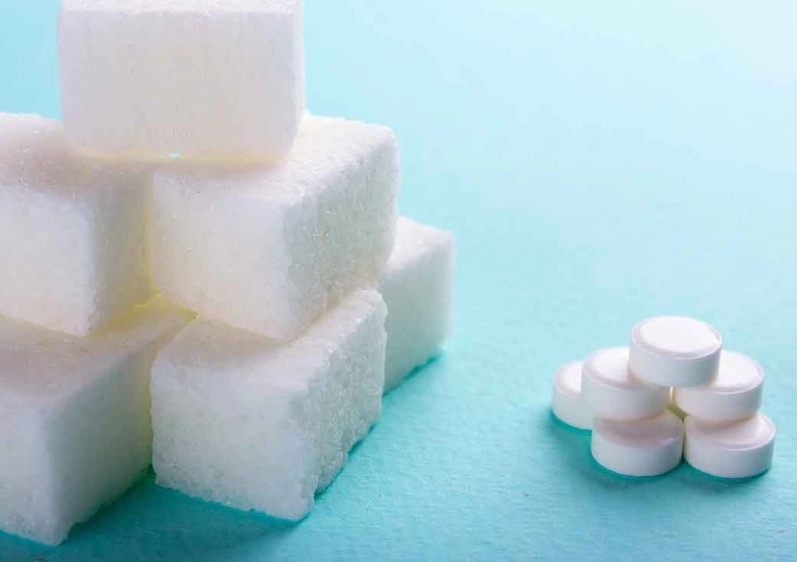
Sweeteners include natural sweeteners (plant-derived), artificial sweeteners (chemically synthesized), polyols (fermentation-produced sugar alcohols), and dietary fibers with sweetening properties.
Aspartame is synthesized by chemically bonding the amino acids aspartic acid and phenylalanine via protection, coupling, and esterification steps to create a high-intensity sweetener.
Fermentation uses microorganisms to convert glucose from starch into polyol sweeteners like erythritol and xylitol, which are low-calorie and tooth-friendly.
Natural sweeteners such as steviol glycosides are extracted from plant leaves using solvents, followed by filtration and purification to isolate the sweet compounds.
Sweeteners are used to reduce sugar content in foods, mask bitterness in pharmaceuticals, and provide functional health benefits such as prebiotic effects from fiber-based sweeteners.
[1] https://ginhong.com/how-are-artificial-sweeteners/
[2] https://pdf.dfcfw.com/pdf/h2_an202107091502722181_1.pdf
[3] https://www.cargill.com/food-beverage/emea/production-process
[4] http://money.finance.sina.com.cn/corp/view/vCB_AllBulletinDetail.php?stockid=301206&id=7370608
[5] https://pmc.ncbi.nlm.nih.gov/articles/PMC3982014/
[6] http://money.finance.sina.com.cn/corp/view/vCB_AllBulletinDetail.php?stockid=002286&id=10970144
[7] https://www.discovermagazine.com/mind/the-chemistry-of-artificial-sweeteners
[8] https://www1.hkexnews.hk/listedco/listconews/sehk/2025/0530/2025053000074_c.pdf
[9] https://en.wikipedia.org/wiki/Sugar_substitute
[10] https://pdf.dfcfw.com/pdf/H2_AN202104081482179540_1.pdf


