
Views: 222 Author: Sara Publish Time: 2025-07-24 Origin: Site


Content Menu
>> Common Uses
● The Rise, Fall, and Return of Sodium Saccharin
● Sodium Saccharin and Cancer: The Scientific Evidence
>> Regulatory Review and Safety Consensus
● Metabolic Effects and Other Health Considerations
>> Effects on Blood Sugar and Weight
>> Side Effects and Allergic Reactions
● Sodium Saccharin in Everyday Products
● Use Recommendations and Regulatory Guidelines
● FAQ
>> 1. Is sodium saccharin carcinogenic to humans?
>> 2. Why was sodium saccharin banned and later unbanned in certain countries?
>> 3. Is sodium saccharin safe for pregnant women?
>> 4. Can sodium saccharin cause allergic reactions?
>> 5. How does sodium saccharin compare to other artificial sweeteners?
Sodium saccharin is one of the oldest artificial sweeteners, often found in products labeled "sugar-free." Since its discovery in 1879, it has been widely used to impart a sweet taste to foods, beverages, and even pharmaceuticals—especially for individuals who wish to reduce caloric intake or avoid sugar altogether. However, sodium saccharin has a storied past marked by controversy, mainly concerning its alleged potential to cause cancer. Does sodium saccharin really increase cancer risk? This article offers a scientific exploration of sodium saccharin's safety, cancer connections, metabolic effects, regulatory consensus, and its role in modern diets, accompanied by illustrative explanations and information throughout.

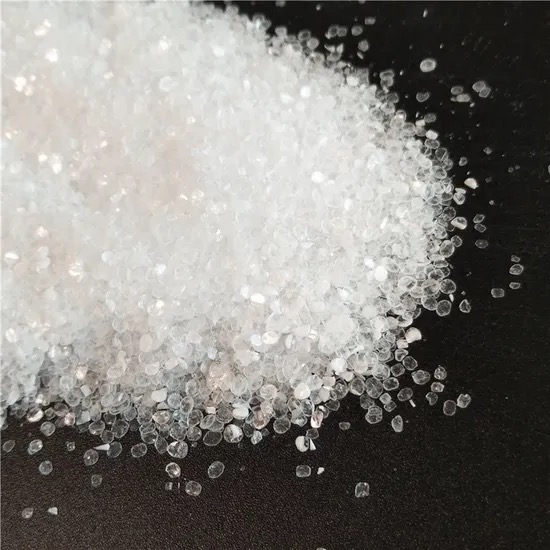
Sodium saccharin is the sodium salt of saccharin, making it water-soluble and easier to use in various food formulations. It is approximately 300–400 times sweeter than sucrose (table sugar) but contains virtually no calories. This artificial sweetener is favored particularly for its high-intensity sweetness and stability under heat and acidic conditions, which makes it suitable for baking, cooking, and pharmaceutical applications.
- Tabletop sweeteners and packets
- Diet sodas and soft drinks
- Sugar-free chewing gums and candies
- Baked goods intended for sugar reduction
- Pharmaceuticals (used to mask bitter tastes)
Because sodium saccharin adds sweetness without increasing caloric intake, it remains an important sugar substitute for people managing diabetes, weight, or dental health.
- Early 20th Century: Sodium saccharin use spread due to sugar shortages during war times and as a diabetic-friendly alternative to sugar.
- 1970s: Laboratory studies raised concerns when high doses of sodium saccharin caused bladder cancer in male rats.
- 1981: These findings led to bans and warnings in several countries; sodium saccharin was placed under rigorous regulatory scrutiny.
- Post-2000: After decades of research, bans were lifted due to lack of consistent evidence for risk in humans, and sodium saccharin regained approval in most international markets.
The history of sodium saccharin reflects the evolution of food safety assessment and exemplifies the need for continuous evaluation of scientific evidence.
Initial scientific concerns about sodium saccharin's carcinogenicity came from studies that observed a significant increase in bladder tumors in male rats fed extraordinarily high doses of the sweetener. These doses were often much higher—sometimes hundreds of times the average human consumption level. The key takeaways from these animal studies include:
- The bladder cancer observed in male rats was linked to a species-specific mechanism involving the formation of crystals in the urine that irritate the bladder lining.
- This irritation led to cell proliferation and eventually tumors over prolonged exposure.
- Female rats and other animals like mice, guinea pigs, and primates did not show the same tumor development, suggesting a gender- and species-specific effect.
- Importantly, these bladder crystal formations and urinary characteristics triggered by saccharin do not occur in humans.
The fundamental question remained: do these findings in rats translate to actual cancer risks in humans consuming sodium saccharin at typical dietary levels?
Extensive epidemiological research spanning several decades has addressed this question by analyzing the health outcomes of people consuming sodium saccharin and other artificial sweeteners.
Key observations from human studies:
- No statistically significant increase in bladder cancer or other cancer types has been reported among populations exposed to sodium saccharin.
- Cohort studies involving workers producing saccharin and consumers show no consistent relationship between saccharin intake and cancer incidence.
- Meta-analyses support an absence of causal association between saccharin consumption and cancer risk in humans.
Consequently, major health organizations worldwide have concluded that sodium saccharin does not present a cancer risk to humans when consumed within the established Acceptable Daily Intake (ADI) levels.
Government and independent health authorities have revisited sodium saccharin's safety multiple times, integrating new data arising from epidemiology, toxicology, and mechanistic studies.
- The U.S. National Toxicology Program delisted saccharin from its Report on Carcinogens in 2000 after reevaluation.
- The International Agency for Research on Cancer (IARC) classifies saccharin as "not classifiable as to its carcinogenicity to humans" (Group 3), which means the evidence is insufficient to confirm cancer risk.
- The U.S. Food and Drug Administration (FDA), European Food Safety Authority (EFSA), and the World Health Organization (WHO) consistently affirm sodium saccharin's safety within regulated parameters.
The global regulatory consensus relies heavily on the difference in species physiology, emphasizing that rat urinary effects do not replicate in human biology.
While the cancer risk debate has been largely settled, questions about other metabolic or health impacts of sodium saccharin persist.
- Sodium saccharin does not increase blood glucose levels, making it a suitable sugar substitute for individuals with diabetes or insulin resistance.
- Some animal studies suggest that artificial sweeteners, including saccharin, might influence body weight or metabolism indirectly by altering appetite or gut microbiota; however, evidence in humans remains inconclusive.
- Most human trials show limited or no effects on body weight or metabolic syndrome markers when consumed within normal dietary limits.
Recent scientific investigations have explored how artificial sweeteners might affect the bacterial communities in the gut. While some animal models exposed to very high sodium saccharin doses have exhibited changes in gut flora, these findings have not been consistently replicated in humans at typical consumption levels.
This area of research continues to develop, but current evidence does not contraindicate saccharin use based on gut health concerns.
For the majority of consumers, sodium saccharin is well tolerated without adverse effects. Rarely, some people report mild symptoms such as:
- Headaches
- Gastrointestinal discomfort
- Hypersensitivity or allergic responses (extremely uncommon)
There is no credible evidence linking sodium saccharin to long-term adverse health effects when consumed responsibly.
Sodium saccharin's stability, powerful sweetness, and safety profile make it a popular ingredient across many consumer goods:
- Sugar-free and diet soft drinks
- Sugar-free candy and chewing gum
- Low-calorie baked goods and desserts
- Pharmaceutical formulations such as chewable tablets and syrups
- Oral hygiene products like toothpaste and mouthwash
Its use provides an important option for reducing added sugar intake, benefiting public health efforts to combat obesity and diabetes worldwide.
To ensure safety, sodium saccharin consumption is regulated by strict daily limits known as the Acceptable Daily Intake (ADI). These are set conservatively by expert bodies and represent the amount considered safe to consume every day over a lifetime without health risk.
- EFSA recommends an ADI in the range of 5 to 9 mg per kilogram of body weight.
- The U.S. FDA sets its ADI at 5 mg/kg body weight.
For an average adult weighing 70 kg (approx. 154 lbs), this equates to approximately 350 mg of sodium saccharin daily, which would translate to an unrealistically high quantity of foods and beverages containing the sweetener.
Consumers generally consume far below these limits, and typical use does not raise safety concerns.
Despite its complex and controversial history, current evidence overwhelmingly supports the safety of sodium saccharin when consumed at normal dietary levels. The early animal studies that suggested a cancer risk do not apply to humans due to species-specific differences in urinary chemistry and bladder physiology. Decades of epidemiological research demonstrate no increased cancer risk among human populations consuming sodium saccharin. Regulatory agencies worldwide, including the FDA, EFSA, and WHO, agree on its safety, establishing recommended daily limits that are far above typical dietary intake.
Beyond cancer safety, sodium saccharin is a valuable tool for reducing sugar consumption, especially for individuals with diabetes or those managing caloric intake. Like any additive, it should be consumed within recommended parameters, but it remains a safe, well-studied, and effective artificial sweetener.

No. While early high-dose rat studies linked sodium saccharin to bladder tumors, extensive human epidemiological data and regulatory reviews have found no evidence that it causes cancer in humans. Current scientific consensus deems it safe when consumed within established daily limits.
Sodium saccharin was temporarily banned in the 1980s after studies in rats suggested cancer risk at extremely high doses. However, further research clarified that these findings do not translate to humans, leading regulatory authorities to lift bans as evidence supported its safety.
Yes. Regulatory bodies consider sodium saccharin safe for pregnant women when consumed within the ADI. Some healthcare providers recommend limiting all artificial sweeteners during pregnancy as a precaution, but no specific risks from saccharin have been confirmed.
Allergic reactions to sodium saccharin are very rare but possible. Most people tolerate it without side effects. Those with known sensitivities to artificial sweeteners should avoid it and consult healthcare professionals.
Sodium saccharin is one of the oldest and most studied artificial sweeteners. It is sweeter than some alternatives and has good heat stability for cooking. Unlike some newer sweeteners, it may have a slight bitter or metallic aftertaste. However, safety profiles of approved sweeteners like sucralose, aspartame, and stevia are equally well-established.


