
Views: 222 Author: Sara Publish Time: 2025-11-27 Origin: Site


Content Menu
● What Are Artificial Sweeteners?
● How Do Sweeteners Affect Digestion?
● High-Intensity Sweeteners and Gut Health
● Do All Sweeteners Cause Diarrhea?
● Managing Diarrhea Caused by Sweeteners
● Benefits and Risks of Artificial Sweeteners
● Emerging Research on Artificial Sweeteners and Health
● FAQ
>> 1. Why do artificial sweeteners cause diarrhea?
>> 2. Which sweeteners are most likely to cause diarrhea?
>> 3. Can high-intensity sweeteners like sucralose cause diarrhea?
>> 4. Are artificial sweeteners safe for long-term use?
>> 5. How can I reduce digestive issues caused by sweeteners?
Artificial sweeteners have become a popular alternative to sugar in many foods and beverages, promising sweetness without calories. However, many consumers have reported digestive issues, particularly diarrhea, after consuming products containing these sweeteners. This article explores whether artificial sweeteners cause diarrhea, the mechanisms behind such effects, and what types of sweeteners are most likely to lead to digestive discomfort.

Artificial sweeteners are synthetic sugar substitutes used to sweeten foods and beverages without the added calories of sugar. They include substances such as aspartame, sucralose, saccharin, acesulfame potassium, and newer compounds like neotame. Many products use these sweeteners in diet sodas, sugar-free gums, baked goods, and even pharmaceuticals.
The category also includes sugar alcohols like sorbitol, xylitol, erythritol, and maltitol, which are naturally occurring in some fruits but commonly manufactured for use in sugar-free products. Although these sugar alcohols provide fewer calories than sugar, they have distinct digestive effects.
Unlike regular sugar, many artificial sweeteners are not fully absorbed by the body. Sugar alcohols, in particular, are known for their partial absorption in the small intestine.
When unabsorbed sweeteners reach the large intestine, they ferment under the action of gut bacteria. This fermentation produces gases and attracts water into the intestines, which can increase bowel motility and cause diarrhea. This osmotic effect is a common explanation for the laxative effect of certain sweeteners.

Sorbitol, maltitol, mannitol, and xylitol are especially noteworthy for their potential to cause diarrhea. They are often used in sugar-free gums, candies, and diabetic-friendly foods. Because the body cannot fully digest them, they draw water into the intestines and ferment, causing bloating, gas, and diarrhea.
High-intensity artificial sweeteners like sucralose and aspartame are not sugar alcohols but have been linked to changes in gut microbiota. Emerging scientific research suggests that these sweeteners might alter the composition and function of gut bacteria, potentially harming gut lining cells and leading to digestive symptoms including diarrhea.
A 2024 study from the UK highlighted neotame's potential to damage intestinal lining and disturb beneficial bacteria, which might contribute to intestinal inflammation and diarrhea.
Not all artificial sweeteners affect people in the same way. Sensitivity varies based on individual gut microbiota, metabolism, and the quantity consumed. Some people experience mild or no digestive effects, while others may face significant diarrhea and discomfort.
Sugar alcohols tend to be the main culprits for diarrhea due to their osmotic effects. In contrast, other sweeteners like aspartame may only cause symptoms in sensitive individuals or at high doses.
- Monitor intake of sugar alcohols (especially sorbitol and maltitol) and reduce consumption if diarrhea occurs.
- Read food labels carefully to avoid hidden sugar alcohols.
- Gradually introduce sugar substitutes into the diet to assess tolerance.
- Stay hydrated during episodes of diarrhea.
- Consult healthcare professionals if symptoms persist or worsen.
Sweeteners provide calorie-free or low-calorie sweetness that helps in weight management and blood sugar control. However, the risk of gastrointestinal issues and potential long-term effects on gut health require further study.
Balancing their use with awareness of personal tolerance is key to benefiting from sweeteners without adverse digestive effects.
Recent scientific studies beyond digestive effects have revealed broader health implications of artificial sweeteners. A 2025 study indicated that high consumption of artificial sweeteners—comparable to one teaspoon daily or a diet soda—was associated with faster cognitive decline equivalent to 1.6 years of brain aging, particularly in middle-aged adults under 60. This cognitive impact was more pronounced in individuals with diabetes, who also face boosted risks from sweetener exposure. Such findings suggest that sweeteners may affect brain health, beyond digestion.
Other contemporary research highlights possible links between artificial sweeteners and metabolic disorders. These include insulin resistance, nonalcoholic fatty liver disease (NAFLD), and impairment in glucose metabolism. Some studies correlated sweeteners like aspartame and sucralose with disturbances in insulin and incretin hormone regulation, which could worsen blood sugar control in susceptible individuals. Long-term consumption also raised concerns of potential hepatotoxicity, DNA fragmentation in gut cells, and even inconsistent associations with cancer risk, though findings vary.
Moreover, sweeteners may stimulate appetite and hunger signals in the brain, ironically potentially leading to increased calorie intake and weight gain. For example, sucralose has been found to increase hunger feelings by 17% in certain obese individuals, interfering with decision-making related to food consumption.
While regulatory bodies generally recognize artificial sweeteners as safe at approved levels, scientific debate continues regarding their chronic effects on gut microbiota, metabolic health, cognitive function, and overall wellbeing. Natural sweetener alternatives like stevia are being investigated for potentially safer profiles.
Artificial sweeteners, especially sugar alcohols like sorbitol and maltitol, can cause diarrhea in many people due to their poor absorption and osmotic effects in the gut. High-intensity sweeteners might alter gut microbiota, potentially leading to digestive disturbances. Beyond gastrointestinal symptoms, emerging research points to possible cognitive decline and metabolic risks associated with chronic sweetener consumption. Individual sensitivity varies, so caution and moderation are advisable when consuming sweetener-containing products.
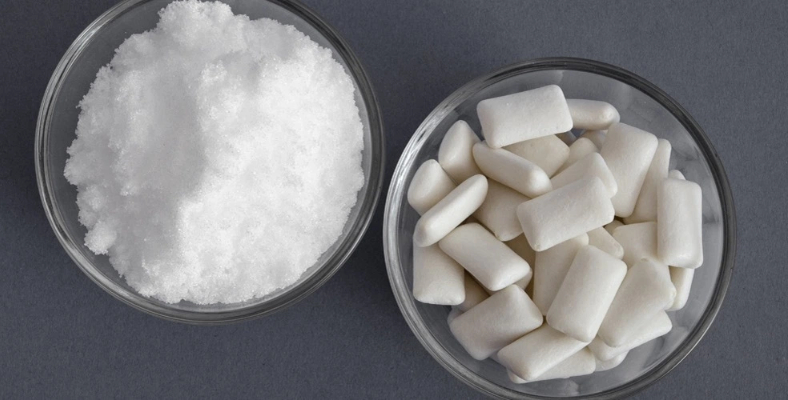
Artificial sweeteners that are not fully absorbed reach the large intestine, where they attract water and ferment, increasing bowel movements and causing diarrhea.
Sugar alcohols such as sorbitol, maltitol, and mannitol are most commonly linked to diarrhea due to their osmotic effects.
Yes, sucralose and others can alter gut bacteria and intestinal lining, potentially leading to diarrhea, especially in sensitive individuals.
They are generally considered safe by regulatory agencies, but ongoing research is investigating their long-term effects on gut health, metabolism, and cognition.
Limit consumption of sugar alcohols, read labels carefully, introduce sweeteners gradually, stay hydrated, and consult a healthcare professional if problems persist.
Article summary:
[1](https://www.cnn.com/2025/09/03/health/artificial-sweetener-cognition-wellness)
[2](https://pmc.ncbi.nlm.nih.gov/articles/PMC11435027/)
[3](https://www.ajmc.com/view/the-double-edged-sword-of-artificial-sweeteners)
[4](https://pubmed.ncbi.nlm.nih.gov/39969176/)
[5](https://www.theguardian.com/food/2025/sep/03/sweeteners-can-harm-cognitive-health-equivalent-to-16-years-of-ageing-study-finds)
[6](https://www.dzd-ev.de/en/press/press-releases/press-releases-2025/artificial-sweeteners-stimulate-hunger-signals-in-the-bra)
[7](https://www.cnn.com/2025/03/29/health/artificial-sweetener-sucralose-hunger-signals-wellness)
[8](https://www.ift.org/news-and-publications/food-technology-magazine/issues/2025/may/columns/diet-and-nutrition-assessing-the-health-impact-of-artificial-sweeteners)
[9](https://www.aan.com/PressRoom/Home/PressRelease/5281)
[10](https://www.sciencedirect.com/science/article/pii/S2665927125000632)


