
Views: 222 Author: Sara Publish Time: 2026-01-06 Origin: Site


Content Menu
● Understanding Artificial Sweeteners
● Key Types of Artificial Sweeteners
● Health Concerns Surrounding Artificial Sweeteners
● Regulatory Perspectives on Sweetener Safety
● Advantages of Natural Sweeteners
● Industrial Applications and Innovations
● Evidence from Scientific Research
● Practical Tips for Sweetener Selection
● FAQ
>> 1. Are artificial sweeteners linked to cancer?
>> 2. Do sweeteners affect gut health?
>> 3. Can sweeteners aid weight loss?
>> 4. What natural sweeteners are safest?
>> 5. Artificial vs. natural: which to choose?
Artificial sweeteners dominate the landscape of modern dieting, offering calorie-free sweetness that appeals to millions managing weight, diabetes, or simply seeking healthier options amid rising obesity rates. While not all artificial sweeteners are universally bad, their safety hinges on specific types, consumption levels, and individual physiology, with scientific debates highlighting both approvals from regulators like the FDA and emerging concerns from studies on long-term effects. This comprehensive exploration of sweeteners delves into their chemistry, health implications, regulatory status, and superior natural alternatives, emphasizing natural sweeteners, functional polyols, and dietary fibers for optimal health solutions.[1][2]

Artificial sweeteners, often called non-nutritive sweeteners, deliver intense sweetness—sometimes hundreds of times stronger than sugar—with virtually no calories, making them staples in diet sodas, chewing gums, yogurts, and low-sugar baked goods. These synthetic compounds, developed since the late 19th century, include well-known options like aspartame, sucralose, saccharin, acesulfame potassium (Ace-K), and neotame, each engineered to mimic sugar's taste profile without the metabolic load. Unlike nutritive sweeteners like sugar or honey, artificial sweeteners pass through the body undigested, providing sweetness without spiking blood glucose or insulin levels, which is why they remain popular for diabetes management and weight control programs.[3][4]
The appeal of artificial sweeteners lies in their versatility; they enable food manufacturers to create indulgent-tasting products with reduced calories, aligning with global health trends pushing for lower sugar intake. However, the perception of sweeteners as "free passes" for indulgence overlooks subtleties in how they interact with human biology, including potential shifts in taste buds that make natural foods seem bland over time. Regulatory bodies rigorously test these sweeteners before market approval, but consumer awareness of acceptable daily intakes (ADIs) remains crucial for safe use.[2]
Diving deeper into artificial sweeteners reveals a diverse family, each with distinct properties suited to different applications. Aspartame, marketed as Equal or NutraSweet, boasts 200 times sugar's sweetness but degrades under heat, limiting it to cold beverages and tabletop uses; it's composed of aspartic acid and phenylalanine, making it unsuitable for those with phenylketonuria (PKU). Sucralose, known as Splenda, achieves 600 times sugar's potency through chlorination, rendering it heat-stable for baking and cooking, a favorite among manufacturers for processed foods.[5][1]
Saccharin, the pioneer artificial sweetener discovered in 1879, offers 300-500 times sweetness and faced delisting scares in the 1970s due to rat bladder cancer links, later dismissed as non-relevant to humans; today, it's ubiquitous in pink packets. Ace-K, often blended with other sweeteners to mask its bitter aftertaste, provides 200 times sweetness and excels in synergistic mixes for beverages. Emerging options like advantame push potency to 20,000 times sugar, requiring minuscule amounts. Sugar alcohols such as xylitol, sorbitol, and erythritol blur lines with artificial sweeteners, offering mild sweetness (0.5-1 times sugar) with low calories and prebiotic benefits, though they can cause digestive discomfort in excess.[6][2][3]
A comparison table highlights these differences:
| Sweetener | Sweetness (vs. Sugar) | Calories/g | Heat Stability | Common Uses |
|---|---|---|---|---|
| Aspartame | 200x | 4 | No | Beverages, gum |
| Sucralose | 600x | 0 | Yes | Baking, drinks |
| Saccharin | 300-500x | 0 | Yes | Tabletop, sodas |
| Ace-K | 200x | 0 | Yes | Blends, fitness |
| Erythritol | 0.6x | 0.2 | Yes | Chews, low-carb |
Blends of these sweeteners optimize flavor, masking off-notes while enhancing overall taste in products like sugar-free candies and protein bars.
Critics of artificial sweeteners point to a litany of potential risks, starting with gut microbiome disruption. Studies show that sweeteners like sucralose and saccharin alter bacterial compositions, potentially reducing beneficial strains and promoting inflammation-linked dysbiosis, which correlates with obesity, type 2 diabetes, and irritable bowel syndrome (IBS). Aspartame metabolizes into methanol, aspartic acid, and phenylalanine, with some research suggesting neurotransmitter interference that could exacerbate headaches, mood disorders, or even seizures in sensitive individuals.[4][1][2]
The World Health Organization's 2023 classification of aspartame as "possibly carcinogenic to humans" (Group 2B) stems from limited evidence of hepatocellular carcinoma in animal models, though human data remains inconclusive at typical doses—equating to over a dozen diet sodas daily for an average adult. Cardiovascular worries intensify with erythritol, where observational studies link higher blood levels to clotting risks and major adverse cardiac events, possibly due to platelet hyperreactivity. Observational data also hints at weight gain paradoxes: despite zero calories, artificial sweeteners may dysregulate appetite hormones like ghrelin, fostering cravings for calorie-dense foods and undermining weight loss efforts.[1][2][5]
Reproductive and developmental concerns arise too; animal studies raise flags on sucralose migration into breast milk or placental transfer, though human evidence is sparse. Children, pregnant women, and those with metabolic conditions warrant extra caution, as sweeteners might influence early-life microbiota seeding critical for lifelong health. Long-term epidemiological data from cohorts like the Nurses' Health Study associates frequent diet soda intake—laden with artificial sweeteners—with elevated stroke and dementia risks, though causation eludes definitive proof.[7][2][4]
Global regulators largely endorse artificial sweeteners as safe within ADIs, calculated with 100-fold safety margins from no-observed-adverse-effect levels (NOAELs). The FDA sets aspartame's ADI at 50 mg/kg body weight (about 18 cans of diet soda for a 150 lb person), saccharin's at 15 mg/kg, and sucralose's at 5 mg/kg. The European Food Safety Authority (EFSA) and Joint FAO/WHO Expert Committee on Food Additives (JECFA) echo these, with ongoing surveillance adapting to new data.[2][3]
Post-market monitoring, like the FDA's Adverse Event Reporting System, tracks rare issues, while saccharin's rat cancer scare led to warning labels until 2000 exoneration. Critics argue animal-to-human extrapolations falter, and industry funding biases some trials, yet consensus holds: moderation keeps risks negligible for most. Natural sweeteners often bypass stringent scrutiny if "generally recognized as safe" (GRAS), streamlining innovation.[1][2]
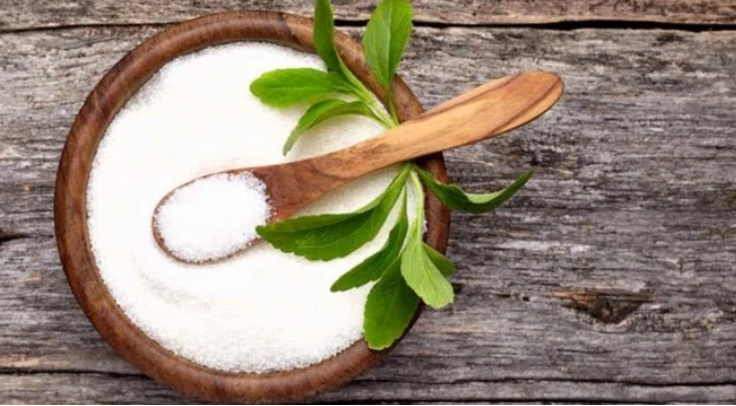
Natural sweeteners emerge as compelling alternatives to artificial ones, sourced from plants, fruits, or fermentation without heavy synthetic processing. Stevia, extracted from the Stevia rebaudiana plant's leaves, delivers 200-450 times sugar's sweetness via steviol glycosides, maintaining zero calories and glycemic neutrality ideal for diabetics. Monk fruit (Siraitia grosvenorii), dubbed luo han guo in China, offers 150-300 times sweetness from mogrosides, packed with antioxidants that combat oxidative stress.[3][6]
Rare sugars like allulose (D-psicose) and tagatose, naturally occurring in small amounts in figs and molasses, behave like sucrose in baking but boast 90% fewer calories and minimal blood sugar impact. Functional polyols—sugar alcohols such as erythritol (fermented from corn) and xylitol (from birch)—provide bulk and mouthfeel with 0.2-2.4 calories per gram, doubling as prebiotics to nurture gut flora unlike many artificial sweeteners. Dietary fibers like inulin and oligofructose enhance these natural sweeteners, boosting satiety and digestive health in formulations.[8][6][3]
Natural sweeteners surpass artificial counterparts in microbiome compatibility, often acting as fibers that feed beneficial bacteria rather than disrupting them. Stevia exhibits mild hypotensive and anti-inflammatory effects in clinical trials, while monk fruit's mogrosides show anti-cancer potential in vitro. They align with clean-label demands, avoiding the "chemical" stigma of artificial sweeteners and appealing to health-focused consumers in food, beverages, and healthcare products.[8][3]
Stability improvements via enzymatic processes enable natural sweeteners in heat-intensive applications like tablets and mixes, where factories blend them with polyols for optimal texture. For weight management, pairing sweeteners with fibers curbs appetite more effectively than zero-calorie artificial options alone. Chinese manufacturers lead in OEM/ODM services, customizing natural sweetener blends—stevia with erythritol and fibers—for global beverage giants and supplement brands.[9][5][8]
In food and beverage sectors, sweeteners revolutionize formulations: zero-sugar sodas rely on sucralose-ace-K blends, but natural stevia-monk fruit combos gain market share for premium positioning. Tablets for portable sweetness use compressed polyols, while functional drinks incorporate fiber-sweetener synergies for gut health claims. Healthcare leverages low-glycemic sweeteners in medical nutrition, aiding post-surgical recovery or diabetic meal replacements.[9][8]
Innovations abound: synthetic biology ferments scalable stevia glycosides and allulose, slashing costs and environmental footprints compared to field-grown extracts. Factories develop hybrid sweeteners—natural bases with trace polyols—for balanced flavor release, taste-masking in pharmaceuticals, and sustained energy without crashes. OEM services streamline custom development, from prototype blending to large-scale production for international manufacturers seeking health-compliant solutions.[6][3]
Rigorous studies illuminate sweeteners' impacts. A 2022 Nature Medicine paper linked non-caloric sweeteners to altered glucose tolerance via microbiome shifts in randomized trials. Meta-analyses in The BMJ question artificial sweeteners' weight loss superiority over water, citing compensatory overeating. Conversely, stevia trials demonstrate HbA1c reductions in type 2 diabetics, positioning natural sweeteners as adjunct therapies.[4][3][1]
Erythritol's cardiac associations from 2023 Cleveland Clinic research prompt moderation calls, while long-term Framingham Heart Study data ties diet drinks to hypertension. Natural polyols shine in dental health, reducing caries risk unlike fermentable sugars. Ongoing RCTs explore blended sweeteners' satiety effects, underscoring context-specific benefits.[5][1]
Rotate sweeteners to mitigate adaptation risks, prioritizing natural options like stevia or erythritol for daily use. Read labels for blends, aiming under ADIs, and pair with whole foods to blunt cravings. Those with IBS favor polyol-fiber combos; diabetics test glycemic responses individually. Consult professionals for personalized advice, especially during pregnancy.[2]
While artificial sweeteners aren't wholly evil—safe in moderation per regulators—they carry risks like gut dysbiosis, appetite dysregulation, and tentative cancer/cardiac links that tip scales toward natural sweeteners such as stevia, monk fruit, functional polyols, and dietary fibers. These alternatives foster health without compromise, backed by factories offering expert OEM/ODM blending for superior taste and efficacy. Embrace natural sweeteners for sustainable wellness in beverages, tablets, and beyond.[3][1][2]
Limited evidence tags aspartame as possibly carcinogenic (WHO Group 2B) based on animal liver data, but ADIs safeguard typical human intake; natural sweeteners evade such scrutiny.[2]
Artificial varieties disrupt microbiomes, risking metabolic woes; natural polyols and fibers nurture beneficial bacteria instead.[4][1]
Short-term calorie savings possible, but cravings may backfire; fiber-enriched natural sweeteners enhance satiety more reliably.[5]
Stevia, monk fruit, erythritol, allulose offer low-glycemic, antioxidant-rich profiles with broad approvals.[6][3]
Natural sweeteners win for clean labels, gut support, and innovation potential via specialized OEM blends.[8][9]
[1](https://newsroom.uw.edu/blog/no-sugarcoating-it-artificial-sweeteners-arent-healthy)
[2](https://www.aarp.org/health/conditions-treatments/are-artificial-sweeteners-bad-for-you/)
[3](https://pdf.dfcfw.com/pdf/H3_AP202412131641289648_1.pdf)
[4](https://woodlawnhospital.org/are-artificial-sweeteners-really-that-bad/)
[5](https://womanshospital.com/blog/entry/the-not-so-sweet-effects-of-artificial-sweeteners-on-the-body)
[6](https://www.cbndata.com/information/294182)
[7](https://www.reddit.com/r/nutrition/comments/15dwmr8/what_are_the_negative_effects_of_artificial/)
[8](https://notice.10jqka.com.cn/api/pdf/b184abf958128f94.pdf)
[9](https://www.caldic.com/zh-hans-cn/markets/food-beverage/beverage/)


