
Views: 222 Author: Sara Publish Time: 2025-08-21 Origin: Site


Content Menu
● The Controversy Around Aspartame
>> Classification as a Possible Carcinogen
>> Health Risks Highlighted in Studies
● Current Use and Regulation of Aspartame in Europe
● Regulatory Assessment and Scientific Review
>> Industry Perspective and Response
● Public Opinion and Consumer Choices
● Frequently Asked Questions (FAQ)
>> 1. Is aspartame currently banned in Europe?
>> 2. What does "possibly carcinogenic" mean?
>> 3. What foods commonly contain aspartame?
>> 4. What is the acceptable daily intake (ADI) for aspartame?
>> 5. Why do consumer groups want aspartame banned?
Aspartame has been a subject of intense debate and controversy globally, especially in Europe. Despite its widespread use as a popular artificial sweetener in thousands of food and beverage products, growing concerns over its safety have led to campaigns for its ban in Europe. This article explores the reasons behind the push to ban aspartame in Europe, including scientific findings, regulatory stances, public opinion, and ongoing health debates.

Aspartame is a low-calorie artificial sweetener commonly found in a variety of food products such as diet sodas, sugar-free chewing gum, dairy products, and other "light" or "diet" labeled items. Since its introduction in the 1980s, it has been widely used as a sugar substitute to help reduce calorie intake and manage weight. Its sweetness potency—approximately 200 times that of sucrose (table sugar)—makes it a preferred ingredient in many low-calorie and sugar-free products.
For decades, aspartame's safety has been questioned by independent researchers, consumer advocacy groups, and some public health organizations. Thousands of studies have been conducted to assess its effects, with conflicting conclusions that have fueled ongoing debate.
In July 2023, the World Health Organization's International Agency for Research on Cancer (IARC) classified aspartame as "possibly carcinogenic to humans" (Group 2B). This classification means there is limited evidence suggesting that aspartame can cause cancer, particularly liver cancer, based on animal studies and limited human data. The designation "possibly carcinogenic" is used when causality cannot be confidently established but a potential risk cannot be ruled out. This classification has reignited concerns about the long-term safety of aspartame consumption and has been a key factor in calls for banning it within Europe.
Besides cancer concerns, other studies have linked aspartame consumption to a variety of health issues, including:
- Metabolic Effects: Some research suggests that despite its low caloric content, aspartame may disrupt metabolic regulation, increasing the risk of insulin resistance and type 2 diabetes. This paradox challenges the perception of aspartame as a healthy alternative for weight management.
- Cardiovascular Disease: There is emerging evidence indicating a possible association between consumption of artificial sweeteners like aspartame and increased risk of cardiovascular disease. While the data is not conclusive, it has added to public health concerns.
- Neurological Effects: Some consumers report headaches, dizziness, and mood changes potentially linked with aspartame intake, though scientific consensus has yet to firmly confirm these effects.
- Weight Management: Contrary to its marketed benefits, some studies show that aspartame might contribute to weight gain by increasing sugar cravings and altering gut microbiota.
These health risk considerations have spurred calls for more stringent regulation and caution in consumer use.
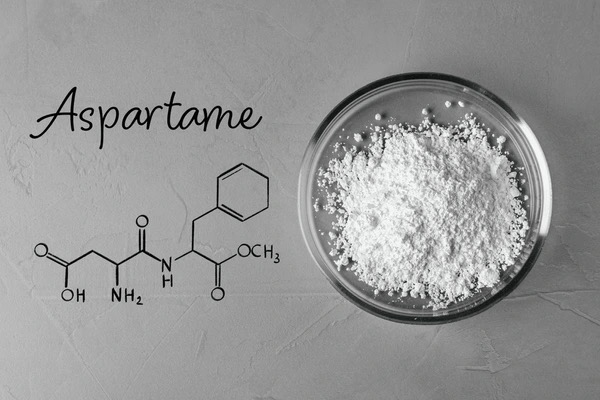
Despite mounting concerns, aspartame remains authorized for use throughout Europe and continues to be present in thousands of products. Its widespread use includes iconic diet sodas such as Coca-Cola Zero, Pepsi Max, and Sprite Zero, in addition to sugar-free chewing gum, yogurts, and dairy substitutes.
In early 2025, a wave of public mobilization across Europe arose, led by organizations such as foodwatch, the French Cancer League, and Yuka—a health-focused app with over 45 million users in Europe. These groups launched petitions and campaigns demanding that European regulators ban aspartame. They argue the precautionary principle should prevail, emphasizing that in cases of scientific uncertainty regarding health risks, erring on the side of consumer protection is paramount. The petitioners highlight that people deserve a choice free from potential carcinogens in their food and drink.
Regulatory bodies like the European Food Safety Authority (EFSA) have been at the center of the aspartame safety debate.
In 2013, EFSA conducted a full risk reassessment and reaffirmed that aspartame and its breakdown products, including phenylalanine, aspartic acid, and methanol, pose no safety concerns for consumers at current levels of intake. EFSA established the Acceptable Daily Intake (ADI) of 40 mg/kg body weight per day and maintains ongoing surveillance of sweetener safety based on emerging research. The agency argues that current consumption patterns stay well below harmful levels for the general population.
While acknowledging the IARC classification, EFSA distinguishes hazard identification (the possibility of harm) from risk assessment (likelihood and exposure). EFSA maintains that although experimental data suggest a potential hazard, actual risk posed by usual consumption is minimal.
Food and beverage industry stakeholders emphasize that aspartame meets stringent regulatory standards imposed by EFSA, the U.S. Food and Drug Administration (FDA), and other bodies globally. They point to extensive safety records accumulated over 40 years and millions of consumers. Industry advocates raise concerns that banning aspartame could disrupt products marketed as healthier alternatives to sugar and potentially increase consumption of higher-calorie sweeteners with known adverse health effects.
Survey data reveal that about 40% of Europeans regularly consume products containing aspartame, reflecting its entrenched role in the food supply. However, an increasing share of consumers express unease regarding its safety, fueled by media coverage, health app alerts, and advocacy campaigns.
Consumers today have growing access to food ingredient information and are increasingly motivated to choose natural or additive-free options. The debate over aspartame has become emblematic of broader concerns about artificial food additives and long-term health impacts.
Due to the controversy surrounding aspartame and other artificial sweeteners, manufacturers and consumers are exploring natural alternatives such as stevia, monk fruit extract, erythritol, and other polyols. These alternatives provide sweetness with different metabolic profiles, although they too face scrutiny regarding safety, taste, and cost.
The aspartame debate in Europe reflects a complex intersection of science, regulation, consumer safety, and market forces. While regulatory agencies uphold its safety within limits, ongoing research and public campaigns highlight potential hazards warranting caution. The European public's growing demand for transparency and safety is prompting re-evaluation of sweeteners and encouraging the food industry to innovate with safer alternatives.
Aspartame remains a commonly used artificial sweetener authorized in Europe, found in thousands of products popular among consumers. However, recent classification by the WHO's IARC as a possible carcinogen alongside studies linking it to metabolic, cardiovascular, and neurological concerns have intensified public health debates. Regulatory bodies like EFSA continue to endorse aspartame's safety within established exposure limits, but strong consumer advocacy and precautionary calls demand re-examination and potentially a ban. The balance between scientific evidence, regulatory prudence, and consumer rights will shape the future of aspartame use in Europe.

No, aspartame is not banned in Europe and is authorized as a food additive. However, there are strong calls from consumer groups for a ban due to potential health risks.
It means there is limited evidence from animal studies and some human data suggesting aspartame might cause cancer, but the evidence is not conclusive. It indicates the need for caution and further study.
Aspartame is found in many sugar-free or low-calorie products including diet sodas, chewing gum, yogurts, and other "light" or sugar-free foods.
The ADI established by EFSA and WHO is 40 mg per kg of body weight per day, considered safe for most people when consumed within this limit.
Due to scientific evidence suggesting possible carcinogenic effects and other health risks, consumer groups want to apply the precautionary principle and protect public health by banning aspartame.
[1] https://www.foodwatch.org/en/aspartame-a-possible-carcinogen-foodwatch-the-cancer-league-and-yuka-launch-a-european-petition-calling-for-a-ban
[2] https://www.safefoodadvocacy.eu/public-mobilisation-across-europe-demands-ban-on-controversial-sweetener-aspartame/
[3] https://www.euronews.com/health/2025/02/05/no-place-in-our-food-consumer-groups-launch-petition-to-ban-aspartame-in-europe
[4] https://en.wikipedia.org/wiki/Aspartame_controversy
[5] https://www.foodnavigator.com/Article/2025/02/26/will-aspartame-be-banned/
[6] https://www.who.int/news/item/14-07-2023-aspartame-hazard-and-risk-assessment-results-released
[7] https://www.webmd.com/diet/what-to-know-about-aspartame
[8] https://www.efsa.europa.eu/en/topics/topic/aspartame
[9] https://www.euronews.com/health/2023/07/14/aspartame-is-being-potentially-linked-to-cancer-by-who-experts-which-products-in-europe-co
[10] https://www.reddit.com/r/europe/comments/1ii5d16/consumer_groups_launch_petition_to_ban_aspartame/


