
Views: 222 Author: Sara Publish Time: 2025-12-17 Origin: Site


Content Menu
● Sugar's Comprehensive Health Profile
● Aspartame: Detailed Composition and Widespread Usage
● Direct Metabolic Effects Comparison
● Aspartame Safety: Addressing Persistent Concerns
● Cancer Risks: Evidence-Based Analysis
● Neurological and Cognitive Impacts
● Gut Microbiome and Digestive Health
● Cardiovascular Health Implications
● Weight Management and Obesity Prevention
● Special Populations: Children and Pregnancy
● Aspartame in Sports and Active Lifestyles
● Dental and Oral Health Benefits
● Regulatory and Global Standards
● Industry Innovations with Aspartame
● Natural Sweetener Alternatives and Blends
● Debunking Consumer Myths on Aspartame
● Practical Daily Intake Guidelines
● Economic and Sustainability Angles
● FAQ
>> 1. Is Aspartame Safe for Daily Use?
>> 2. Does Aspartame Cause Cancer?
>> 3. Aspartame vs Sugar for Diabetics?
>> 4. Can Aspartame Aid Weight Loss?
>> 5. Are There Natural Replacements for Aspartame?
Sugar and aspartame dominate the sweetener landscape, each carrying distinct health implications for consumers in food, beverage, and healthcare sectors. Aspartame, an artificial sweetener 200 times sweeter than sugar, provides calorie-free sweetness but faces persistent safety debates. Sugar offers natural taste yet contributes to widespread metabolic issues, prompting factories specializing in natural sweeteners, functional polyols, and dietary fibers to innovate with aspartame blends for OEM/ODM services.

Sugar, mainly sucrose from cane or beets, breaks down into glucose and fructose, delivering 4 calories per gram. Excessive intake surpasses WHO's 25-50 gram daily limit, linking to obesity, type 2 diabetes, cardiovascular disease, and non-alcoholic fatty liver disease. Refined sugars in processed foods spike blood glucose rapidly, fostering insulin resistance and chronic inflammation that damages tissues over time.
Fructose metabolism burdens the liver, promoting fat accumulation even without calorie overeating. Dental caries thrive on sugar's fermentable nature, eroding enamel via bacterial acids. Addiction-like neural responses to sugar mimic drug rewards, complicating moderation efforts. Population studies correlate high sugar diets with shorter lifespans, emphasizing sugar's broad detrimental footprint.
Aspartame consists of aspartic acid, phenylalanine, and a methanol molecule, yielding intense sweetness without calories. Digested like dietary proteins, aspartame suits diet sodas, yogurts, chewing gums, and pharmaceuticals, where its high potency reduces bulk needs. FDA approval in 1981 followed rigorous testing; EFSA and JECFA set acceptable daily intakes at 40-50 mg/kg body weight, equating to 10-20 diet sodas for adults.
Aspartame's stability shines in acidic beverages but falters under heat, prompting blends with other sweeteners for baking. Global consumption exceeds millions of tons annually, integral to low-calorie products aiding weight control. Factories in China excel at mixing aspartame with natural sweeteners, polyols like erythritol, and fibers for tablets and OEM formulations targeting foreign manufacturers in beverages and healthcare.
Sugar triggers sharp glycemic and insulin surges, promoting fat storage and hunger rebounds. Aspartame elicits no such response, ideal for glycemic control in diabetics and prediabetics. Gut microbiota alterations from aspartame appear milder than sugar's promotion of dysbiosis via harmful bacterial overgrowth.
| Metabolic Aspect | Sugar Effects | Aspartame Effects |
|---|---|---|
| Caloric Contribution | 4 kcal/g, obesity driver | Virtually zero, weight-neutral |
| Glycemic Index | High (65+ for sucrose) | Zero |
| Insulin Demand | Pronounced spikes | None |
| Fat Storage | Enhances via de novo lipogenesis | Prevents calorie-linked storage |
| Satiety Signals | Short-lived, leads to overeating | Supports via low-calorie substitution |
These dynamics position aspartame favorably for metabolic health, especially in functional food developments.
Early aspartame scrutiny focused on methanol, yet human levels stay far below toxic thresholds—less than from fruit juices. Phenylketonuria (PKU) patients require warnings due to phenylalanine buildup, but general populations metabolize it safely. Headache claims lack placebo-controlled validation; meta-analyses show equivalence to sugar or placebo.
WHO's 2023 classification as "possibly carcinogenic" stems from limited animal data at extreme doses, not human relevance. Regulatory bodies worldwide reaffirm aspartame safety post-thousands of studies. Long-term cohort data reveal no elevated disease risks among heavy aspartame users.
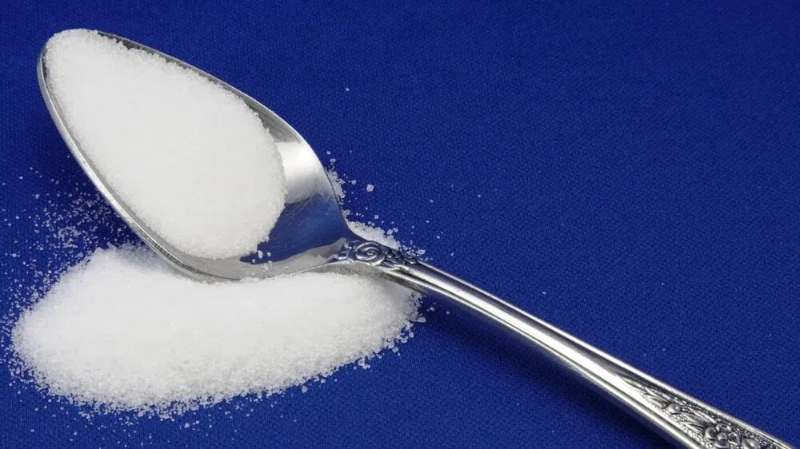
Decades of research, including Ramazzini Institute critiques, find no aspartame-cancer link in humans at real-world exposures. High-dose rodent studies involved impurities irrelevant to commercial aspartame. Conversely, sugar fuels obesity, a proven carcinogen via inflammation and hormones like insulin.
Epidemiological reviews of diet soda drinkers show neutral or reduced cancer incidences compared to sugar consumers. Aspartame's role in calorie reduction indirectly lowers obesity-driven malignancies.
Aspartame's components mirror brain chemicals, but blood-brain barrier limits excess entry. Migraine associations dissolve in double-blind trials. No evidence supports dementia or seizure links; sugar's vascular damage poses greater neurological threats.
Emerging research notes aspartame may subtly shift microbiota, yet less disruptively than sugar's saccharolytic fermentation producing gases and toxins. Aspartame preserves beneficial bacteria better in moderation. Functional polyol-aspartame blends from specialized factories mitigate any concerns via fiber synergy.
Sugar elevates triglycerides, LDL oxidation, and hypertension via endothelial dysfunction. Aspartame substitution lowers these markers in intervention trials. Framingham Heart Study offshoots favor low-calorie sweeteners like aspartame for CVD prevention.
Randomized trials demonstrate aspartame-sweetened beverages yield 0.5-1 kg greater weight loss than sugar versions over months. Compensatory eating doesn't occur, unlike sugar's appetite stimulation. For beverage manufacturers, aspartame enables satisfying low-cal options via OEM services.
Children tolerate aspartame within lower ADI-adjusted limits, avoiding sugar's obesity epidemic. Prenatal exposure studies show no developmental harms; sugar heightens gestational diabetes risks. Pediatric guidelines endorse aspartame judiciously.
Endurance athletes leverage aspartame for hydration drinks sans GI crashes from sugar. Post-workout recovery benefits from its non-disruptive profile.
Aspartame's non-fermentability prevents plaque acids, contrasting sugar's cariogenic dominance. Orthodontists recommend aspartame gums for cleaner smiles.
Over 90 countries approve aspartame, with ongoing surveillance. Sugar faces "added sugar" labeling mandates due to harms.
Chinese factories lead in aspartame integration, offering mixed sweetener development, tablet pressing, and ODM for healthcare. Blends with stevia, erythritol, and inulin create superior profiles, reducing sugar dependency for international clients.
Stevia, monk fruit, and allulose complement aspartame, but its cost-efficiency endures. Polyol-aspartame-fiber combos optimize taste and health.
Myths of toxicity or "neurotoxin" status crumble under science; aspartame outperforms sugar empirically.
A 70kg adult safely consumes 2.8g aspartame daily—far above typical 0.2g intake. Sugar lacks equivalent caps.
Aspartame cuts shipping weights and formulation costs, eco-friendly for global supply chains.
Microbiome-focused trials and AI-modeled safety continue validating aspartame amid sugar reduction mandates.
Sugar's caloric overload and metabolic disruptions render it worse than aspartame for most health metrics. Aspartame, rigorously tested and calorie-free, supports weight management, diabetes control, and dental health without substantiated risks at normal doses. Factories providing natural sweeteners, polyols, fibers, and aspartame blends empower manufacturers with innovative OEM/ODM solutions. Opt for aspartame strategically alongside naturals for optimal wellness.
Aspartame proves safe within established ADI limits, backed by FDA, EFSA, and decades of data, far surpassing sugar's risks.
No credible human evidence links aspartame to cancer at typical intakes; sugar's obesity pathway poses stronger threats.
Aspartame prevents blood sugar spikes, making it superior for glycemic management over sugar.
Clinical trials confirm aspartame facilitates calorie deficits and modest weight reduction unlike sugar.
Stevia and monk fruit blend seamlessly with aspartame, enhancing safety and taste profiles.


