


Content Menu
● Global Regulatory Approvals of Sucralose
● Where Is Sucralose Banned or Restricted?
● Table of Select Countries and Sucralose Status
● Why Some Advocate Against Sucralose
● Implications for Food, Beverage, and Healthcare Industries
>> 1. Is sucralose safe to consume?
>> 2. In which countries is sucralose banned?
>> 3. Can sucralose cause cancer?
>> 4. Does heating sucralose produce harmful substances?
>> 5. Are there safer alternatives to sucralose?
Sucralose is a widely used artificial sweetener known for being calorie-free and intensely sweet. Despite its global popularity in food, beverage, and healthcare products, the regulatory status of sucralose varies, with several countries imposing restrictions or bans due to emerging health concerns. This article explores where sucralose is banned or restricted worldwide, the reasons behind these regulatory actions, and what consumers and manufacturers should consider regarding its safety and use.
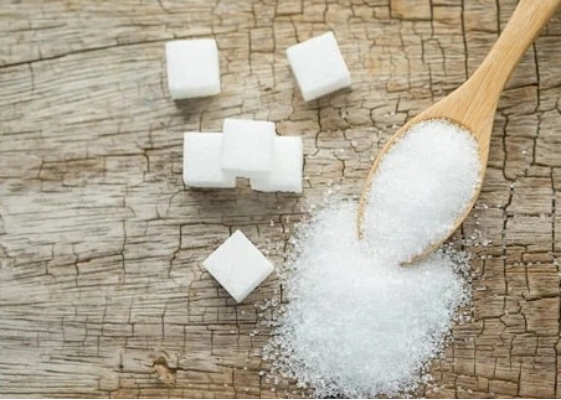
Sucralose is a non-nutritive artificial sweetener derived from sugar through a process that substitutes three hydroxyl groups with chlorine atoms, making it non-caloric. It is approximately 600 times sweeter than sugar and widely used in beverages, baked goods, pharmaceuticals, and dietary supplements as a sugar replacement. Its stability under heat and wide pH range makes it suitable for many processed foods.
Sucralose received initial regulatory approval in Canada in 1991, followed by countries including the United States (FDA approval in 1998), Australia, New Zealand, and the European Union. By 2008, sucralose had been approved in over 80 countries such as Mexico, Brazil, China, India, and Japan. These approvals stem from scientific assessments by food safety agencies deeming sucralose safe for consumption within regulated limits. Leading health authorities including the European Food Safety Authority (EFSA) and the Joint FAO/WHO Expert Committee on Food Additives (JECFA) have concluded that sucralose is safe for its intended uses. The FDA has established an acceptable daily intake (ADI) of 5 mg per kilogram of body weight per day, while JECFA set an ADI of 0-15 mg/kg. Global consumption remains well below these limits, and ongoing scientific reviews confirm no widespread exceeding of the ADI among populations.
While sucralose enjoys broad global approval, certain health organizations and countries have expressed reservations or imposed restrictions:
- The World Health Organization (WHO) in 2023 recommended avoiding non-sugar sweeteners including sucralose for weight loss, citing links to increased risk of type 2 diabetes and cardiovascular diseases.
- Some scientific studies associate sucralose with potential health risks such as leukemia, obesity, diabetes, liver inflammation, and adverse effects when heated, which could generate toxic compounds.
- Unlike other artificial sweeteners such as cyclamate, which face bans in countries like the U.S. and South Korea, sucralose has not faced widespread outright bans but is under heightened scrutiny.
- Certain advertising claims around sucralose have faced regulatory pushbacks for being misleading, and some European safety bodies have requested additional data as part of ongoing re-evaluations.
- Countries including China, the Philippines, India, South Korea, and much of Europe approve sucralose but often monitor new safety data and may adapt regulations accordingly.
| Country / Region | Regulatory Status of Sucralose | Comments |
|---|---|---|
| United States | Approved | FDA approved; WHO recommends caution |
| European Union | Approved with ongoing re-evaluation | Subject to scientific reviews; some precautionary advice |
| Canada | Approved | One of the earliest approvers |
| China | Approved | Widely used in food, beverage, and healthcare products |
| South Korea | Approved (No ban like cyclamate) | Active safety monitoring |
| Philippines | Approved | Reversed cyclamate ban; sucralose allowed |
| Others (e.g., Norway) | No outright ban but strict regulation applies | General caution on artificial sweeteners |
Emerging scientific data have raised concerns about the long-term health effects of sucralose, leading to caution among researchers and some regulatory bodies. Potential risks include:
- Metabolic Effects: Sucralose has been linked to disruptions in glucose metabolism, potentially increasing the risk of obesity and diabetes.
- Carcinogenicity: Animal studies have suggested possible links to leukemia and other cancers, though human data are inconclusive.
- Toxic Compounds from Heating: Heating sucralose can produce chlorinated compounds potentially harmful to liver and kidneys.
- Gut Microbiota: Sucralose may alter gut bacteria balance, affecting digestive and immune health.
- Appetite and Hunger Signals: Recent studies suggest sucralose might increase appetite rather than suppress it, contrary to its intended use.
These concerns have prompted regulatory authorities like EFSA to request additional data and reassess safety standards, while global health organizations advocate moderation.
For manufacturers specializing in health ingredients, natural sweeteners, and OEM/ODM services, understanding the regulatory and consumer landscape for sucralose is critical. This includes:
- Ensuring compliance with country-specific regulations and labeling laws.
- Monitoring scientific updates to anticipate regulatory changes.
- Considering blending sucralose with natural sweeteners or functional polyols to improve product safety and consumer acceptance.
- Educating customers on responsible use of sucralose-containing products.
- Preparing for potential shifts towards alternatives like stevia, erythritol, and monk fruit due to increasing market demand for natural and safer sweeteners.
Given the growing demand for low-calorie sweeteners driven by health-conscious consumers and sugar-reduction trends, sucralose remains important but must be positioned strategically within formulations.
Sucralose enjoys widespread regulatory approval across many countries and remains a prevalent no-calorie sweetener in food, beverage, and healthcare products. However, emerging scientific and regulatory scrutiny highlight potential health risks, including metabolic disturbances, carcinogenicity concerns, and toxic compounds formed during heating. While full bans on sucralose are rare, precaution, moderation, and close monitoring of evolving research are advised for manufacturers and consumers. Exploring alternative sweeteners and blending options can provide safer, consumer-friendly solutions amid changing regulatory landscapes.
Sucralose is considered safe by major regulatory agencies when consumed within established ADI limits, but recent studies suggest caution and moderation due to potential health risks.
Sucralose is generally not banned outright in major markets but is under review or restricted in some contexts. No widespread complete bans are currently in effect.
Animal studies have raised concerns about possible carcinogenic effects, but human evidence is inconclusive and regulatory bodies maintain it is safe at approved usage levels.
Yes, heating sucralose-containing foods can generate harmful chlorinated compounds that might negatively affect liver and kidney health.
Natural sweeteners like stevia, monk fruit, and functional polyols such as erythritol are considered safer alternatives and are increasingly used in food and beverage formulations.
[1](https://ific.org/insights/everything-you-need-to-know-about-sucralose/)
[2](https://essfeed.com/regulatory-standards-for-sucralose-in-the-us-eu-and-global-markets-regulatory-standards-for-sucralose-in-the-us-eu-and-global-markets/)
[3](https://www.sweeteners.org/sucralose-is-safe/)
[4](https://www.efsa.europa.eu/en/topics/topic/sweeteners)
[5](https://www.efsa.europa.eu/sites/default/files/wgs/food-ingredients-and-packaging/sweeteners-m.pdf)
[6](https://www.fda.gov/food/food-additives-petitions/aspartame-and-other-sweeteners-food)
[7](https://pmc.ncbi.nlm.nih.gov/articles/PMC11988418/)
[8](https://pmc.ncbi.nlm.nih.gov/articles/PMC12251854/)
[9](https://www.ajmc.com/view/the-double-edged-sword-of-artificial-sweeteners)
[10](https://www.cnn.com/2025/03/29/health/artificial-sweetener-sucralose-hunger-signals-wellness)


