
Views: 222 Author: Sara Publish Time: 2025-12-23 Origin: Site


Content Menu
● Introduction to Artificial Sweeteners
● Common Types of Artificial Sweeteners
● Potential Health Risks and Concerns
● Comparative Analysis and Ranking
● Natural Sweetener Alternatives
● Global Regulatory Perspectives
● Industry Role in Sweetener Development
● FAQ
>> 1. What is the safest artificial sweetener?
>> 2. Is aspartame linked to cancer?
>> 3. Do artificial sweeteners affect the gut microbiome?
>> 4. Can sucralose be used in cooking?
>> 5. Why choose natural sweeteners over artificial ones?
Artificial sweeteners provide a calorie-free way to enjoy sweetness in everyday foods, beverages, and healthcare products, making them essential tools for managing sugar intake. Among various options, identifying the least harmful artificial sweetener involves reviewing extensive safety data, regulatory approvals, and scientific studies on long-term health effects.[1][2]
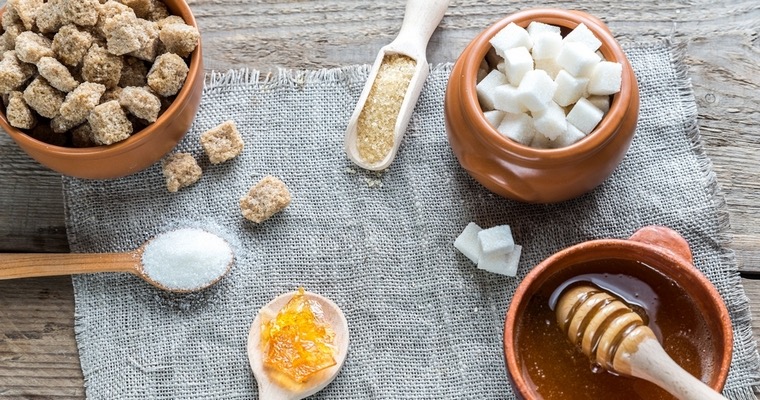
Artificial sweeteners have revolutionized the food industry by offering intense sweetness without the calories or blood sugar spikes associated with sugar. These non-nutritive sweeteners, including aspartame, sucralose, saccharin, and acesulfame potassium, are hundreds of times sweeter than sucrose, allowing minimal usage for maximum flavor impact. As a factory specializing in natural sweeteners, functional polyols, and dietary fibers for food, beverage, and healthcare sectors, we understand the demand for safe, effective sweetener solutions in OEM/ODM production.
The popularity of artificial sweeteners stems from their role in diet sodas, sugar-free gums, low-calorie yogurts, and even pharmaceutical tablets. Regulatory bodies like the FDA and EFSA rigorously test these sweeteners before approval, establishing acceptable daily intakes (ADIs) to guide safe consumption. Despite their widespread use, debates persist about which artificial sweetener poses the least risk, prompting deeper dives into their profiles.[3]
Several artificial sweeteners dominate the market, each with unique properties suited to different applications. Aspartame, discovered in 1965, delivers about 200 times the sweetness of sugar and breaks down into amino acids during digestion, making it ideal for cold beverages but not baking. Sucralose, a chlorinated sucrose derivative, boasts 600 times sugar's sweetness and heat stability, perfect for cooking and processed foods as a versatile sweetener.
Saccharin, the first artificial sweetener patented in 1879, provides 300-700 times the sweetness and appears in iconic pink packets, historically used in tabletop sweeteners. Acesulfame potassium (Ace-K), often blended with other sweeteners to mask its bitter aftertaste, matches aspartame's 200-fold potency and suits a range of products. These sweeteners enable manufacturers to create blended formulations, enhancing taste while reducing calories—a core focus in our factory's sweetener development services.
Blends of artificial sweeteners are common to optimize flavor profiles, as single sweeteners can sometimes leave lingering tastes. For instance, combining aspartame and Ace-K yields synergistic sweetness, widely used in beverages. Understanding these distinctions helps consumers and producers select the optimal artificial sweetener for health and functionality.[4]
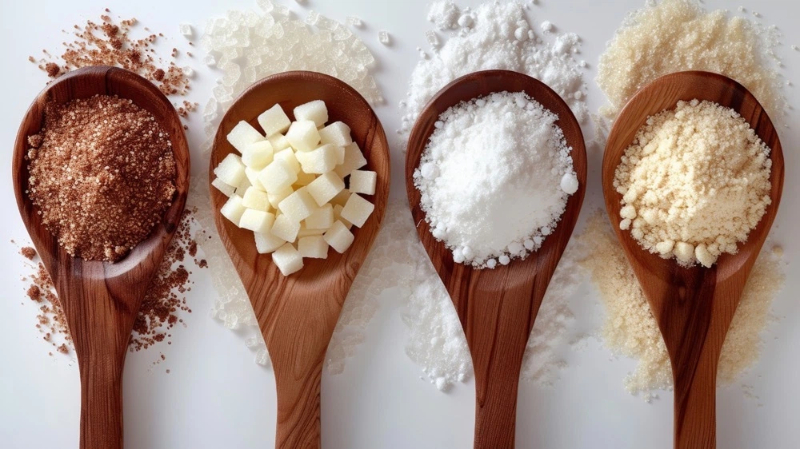
Safety evaluations form the cornerstone of artificial sweetener approvals, with decades of research affirming their low risk when used within limits. Aspartame undergoes metabolism into aspartic acid, phenylalanine, and methanol—components naturally found in foods like tomatoes and milk—showing no toxicity at approved levels. The WHO's 2023 review classified it as "possibly carcinogenic" based on limited animal data, but emphasized no human risk from typical intake.[5][6]
Sucralose stands out for its stability, passing through the body largely unabsorbed and excreted unchanged, minimizing metabolic interactions. Over 100 studies confirm its safety, with FDA's ADI at 5 mg/kg body weight allowing substantial daily consumption. Saccharin's safety evolved after early rat bladder cancer concerns, debunked as species-specific; EFSA's 2024 update raised its ADI to 9 mg/kg, citing no genotoxicity or carcinogenicity in humans.[7]
Ace-K, approved after lifetime rodent studies, shows no accumulation or adverse effects, with an ADI of 15 mg/kg. These profiles position artificial sweeteners as reliable options, though individual sensitivities like phenylketonuria for aspartame warrant caution.[8]
While approved, artificial sweeteners face scrutiny for subtle effects on health. Gut microbiome alterations emerge in studies with sucralose and saccharin, potentially influencing digestion and metabolism, though human impacts remain inconsistent. Aspartame associates with headaches or mood changes in anecdotal reports, but controlled trials find no causal links.[9]
Observational studies hint at metabolic disruptions, like altered insulin responses or weight gain paradoxes from sweetener use, challenging the "zero-calorie" narrative. Cancer fears, fueled by early saccharin warnings, lack substantiation in epidemiological data across millions of users. Sucralose's potential for DNA damage in vitro raises flags, but in vivo evidence is lacking. Overall, risks appear dose-dependent, reinforcing moderation as key for any artificial sweetener.[10][1]
Long-term cohort studies, such as those from the NIH-AARP Diet and Health Study, show no elevated cancer risks with moderate sweetener intake. Cardiovascular concerns with aspartame in some analyses underscore the need for personalized choices among sweeteners.
Ranking artificial sweeteners by harm requires weighing study volumes, regulatory consensus, and emerging data. Sucralose and saccharin often top "least harmful" lists due to robust safety records and minimal bioavailability. Aspartame and Ace-K trail slightly amid microbiome and sensitivity concerns.
| Sweetener | Sweetness Multiple | ADI (mg/kg/day) | Key Safety Notes | Common Concerns |
|---|---|---|---|---|
| Aspartame | 200 | 50 | Metabolizes to natural components | Possible cancer label, headaches |
| Sucralose | 600 | 5 | Heat-stable, mostly unabsorbed | Gut microbiome shifts |
| Saccharin | 300-700 | 9 | Longest-studied, no human cancer | Past animal study fears |
| Ace-K | 200 | 15 | No metabolism, blends well | Bitter aftertaste, gut effects |
This table highlights trade-offs, with sucralose edging as the least harmful artificial sweetener for its versatility and clean profile. Visual comparisons in studies reinforce sucralose's favorability.[11][12]
Shifting from artificial to natural sweeteners mitigates concerns entirely. Stevia, derived from the Stevia rebaudiana plant, offers 200-400 times sugar's sweetness with zero calories and antioxidant benefits, supporting blood sugar control. Monk fruit extract provides similar potency without bitterness, ideal for clean-label products.
These plant-based sweeteners avoid synthetic processing, appealing to health-focused consumers. In our factory, we blend stevia with polyols like erythritol for synergistic effects, producing tablets and mixes for international OEM clients. Natural options like these represent the future of sweetener innovation, combining safety with efficacy.[13][14]
Worldwide authorities align on artificial sweetener safety. The FDA reaffirms aspartame's GRAS status post-2023 reviews, while JECFA sets conservative ADIs. EFSA's saccharin update exemplifies adaptive regulation based on new data. Over 90 countries approve sucralose, underscoring its global trust as a premier sweetener.
Harmonized standards facilitate trade, benefiting manufacturers like ours in developing compliant sweetener blends for export.
Maximize safety by tracking ADI: a 70kg adult can consume 350mg sucralose daily—equivalent to 10+ diet sodas. Heat-stable sweeteners like sucralose suit baking; aspartame fits beverages. Blending enhances palatability, reducing reliance on any single artificial sweetener.
For our clients, custom formulations integrate fibers with sweeteners for enhanced nutrition in healthcare products.
Our Chinese factory excels in natural sweetener blends, polyols, and fibers, offering full-service OEM/ODM for global manufacturers. We prioritize low-risk profiles, developing stevia-sucralose hybrids for superior taste and health benefits. From R&D to tableting, our sweetener solutions meet international standards.
Sucralose emerges as the least harmful artificial sweetener, backed by extensive safety data, heat stability, and minimal absorption risks, outperforming aspartame and Ace-K in many rankings. Saccharin follows closely with its proven track record. However, natural alternatives like stevia offer even fewer concerns, ideal for long-term use. Moderation, personalization, and blending optimize benefits across all sweeteners, supporting healthier formulations in food, beverages, and healthcare.[15][4]
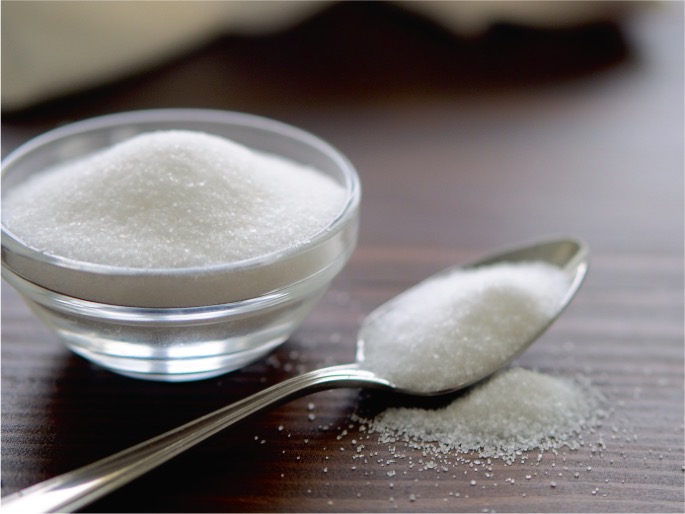
Sucralose is widely regarded as the least harmful artificial sweetener due to its stability, low metabolism, and endorsements from FDA and EFSA.[11][15]
No strong evidence connects aspartame to cancer in humans; WHO notes "possible" risk only from high-dose animal studies irrelevant to typical use.[2][5]
Yes, sucralose and saccharin may alter gut bacteria in some studies, but human effects are mild and dose-dependent.[1][9]
Sucralose excels in baking as a heat-stable artificial sweetener, retaining sweetness unlike aspartame.[16][4]
Stevia and monk fruit provide zero-calorie sweetness without synthetic risks, offering better gut and metabolic profiles.[14][13]
[1](https://pmc.ncbi.nlm.nih.gov/articles/PMC10822749/)
[2](https://www.cancer.gov/about-cancer/causes-prevention/risk/diet/artificial-sweeteners-fact-sheet)
[3](https://www.fda.gov/food/food-additives-petitions/aspartame-and-other-sweeteners-food)
[4](https://magazine.labdoor.com/aspartame-vs-sucralose-vs-saccharin-safety-and-side-effects/)
[5](https://www.who.int/news/item/14-07-2023-aspartame-hazard-and-risk-assessment-results-released)
[6](https://www.medicalnewstoday.com/articles/322266)
[7](https://www.efsa.europa.eu/en/news/saccharin-safety-threshold-increased)
[8](https://www.bodyspec.com/blog/post/acesulfame_potassium_safety_adi_and_usage_guide)
[9](https://www.reddit.com/r/nutrition/comments/175w6lu/sugar_substituteartificial_sweetener_ranking/)
[10](https://pubmed.ncbi.nlm.nih.gov/39969176/)
[11](https://www.health.com/best-and-worst-artificial-sweeteners-7974926)
[12](https://www.nowfoods.com/healthy-living/articles/sweetener-comparison-chart)
[13](https://www.drinkbobelo.com/blogs/education/stevia-better-alternative-to-artificial-sweeteners-or-sugar)
[14](https://www.cspi.org/article/which-low-calorie-sweeteners-are-safe-and-which-arent)
[15](https://www.sweeteners.org/sucralose-is-safe-as-confirmed-by-wealth-of-research-and-food-safety-authorities-around-the-world/)
[16](https://www.verywellhealth.com/sucralose-vs-aspartame-7551717)


