
Views: 222 Author: Sara Publish Time: 2026-01-04 Origin: Site


Content Menu
● Discovery and Production of Sucralose
● How Sucralose Works in the Body
● Regulatory Approval of Sucralose
● Common Uses of Sucralose in Products
● Benefits of Sucralose for Health and Dieting
● Potential Health Concerns with Sucralose
● Sucralose and Gut Microbiome Effects
● Sucralose Impact on Metabolism and Weight
● Sucralose Safety for Special Populations
● Sucralose Compared to Other Sweeteners
● Recent Research on Sucralose Risks
● Alternatives to Sucralose in Products
● Industry Perspectives on Sucralose
● FAQ
>> 1. What is sucralose made from?
>> 2. Is sucralose safe for daily consumption?
>> 3. Does sucralose cause weight gain?
>> 4. Can sucralose affect gut health?
>> 5. Are there natural alternatives to sucralose?
Sucralose is a zero-calorie artificial sweetener derived from sugar, renowned for its intense sweetness—about 600 times sweeter than sucrose. Widely used in foods, beverages, and pharmaceuticals, sucralose has sparked debates on its safety, with ongoing research examining its impacts on health, metabolism, and the gut microbiome.[1]
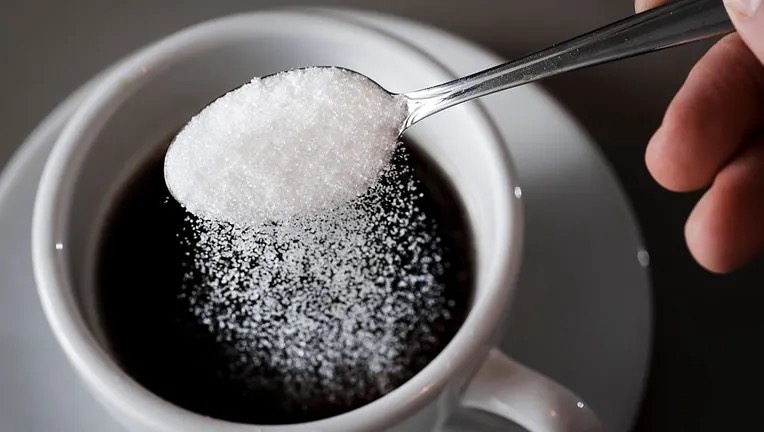
Sucralose was discovered in 1976 by scientists at Queen Elizabeth College in London while researching sugar substitutes. They chlorinated sucrose to create sucralose, replacing three hydroxyl groups with chlorine atoms, making it non-caloric as the body does not metabolize it fully. Sucralose production involves a multi-step chemical process starting from sucrose, ensuring high purity for commercial use.[1]
This process begins with selective chlorination of sucrose molecules, where precise control prevents unwanted byproducts. Factories worldwide, including those in China specializing in natural sweeteners, functional polyols, and dietary fibers, produce sucralose at scale. These facilities offer OEM/ODM services, developing custom sucralose blends for food, beverage, and medical保健 industries. Sucralose's high purity—often exceeding 99%—makes it ideal for tablet pressing and powder formulations.[2]
Chinese manufacturers lead in mixed sweetener development, combining sucralose with steviol glycosides or erythritol for synergistic effects. This expertise supports foreign brands seeking health-focused solutions without compromising taste. Sucralose's stability during processing ensures consistent performance in everything from soft drinks to chewable vitamins.[3]
Sucralose passes through the digestive system largely unchanged, with over 85% excreted in feces and the rest in urine. Its sweetness activates taste receptors without providing calories, ideal for sugar-free products. However, sucralose may influence cephalic phase insulin response, where the brain anticipates sugar and releases insulin upon tasting sweetness.[4]
The molecular structure of sucralose mimics sucrose but resists enzymatic breakdown by sucrase-isomaltase in the small intestine. This indigestibility defines sucralose as a non-nutritive sweetener. Once absorbed minimally, sucralose circulates briefly before renal excretion. Studies show trace amounts bind to proteins, but no significant accumulation occurs in tissues.[5]
Sucralose's sweetness potency allows minuscule doses—mere milligrams per serving—to achieve sugar-like flavor. In beverages, sucralose disperses evenly, preventing crystallization issues common with other sweeteners. Its role in functional drinks pairs well with electrolytes and vitamins, enhancing hydration without caloric load.[2]
Sucralose received FDA approval in 1998 after over 110 studies involving more than 90 safety assessments confirmed its safety. The Acceptable Daily Intake (ADI) is set at 5 mg/kg body weight, far exceeding typical consumption of under 1 mg/kg daily for most users. Agencies like EFSA, JECFA, and WHO endorse sucralose, classifying it as safe for general use, including pregnant women and children.[1]
Regulatory reviews span toxicology, carcinogenicity, reproductive effects, and neurotoxicity, all deeming sucralose safe. In Europe, EFSA reaffirmed its ADI in 2023 after re-evaluating data. Global harmonization ensures sucralose meets standards like Codex Alimentarius. Chinese factories exporting sucralose adhere to FDA, USP, and EP monographs, facilitating seamless integration into international supply chains.[3]
Ongoing post-market surveillance monitors real-world use, with no evidence of widespread adverse events. Sucralose's approval extends to infant formula in some regions, underscoring its broad safety profile.[4]
Sucralose appears in diet sodas, gums, yogurts, baked goods, and pharmaceuticals under brands like Splenda. Its heat stability suits cooking and baking, unlike aspartame which degrades above 85°C. In the food industry, sucralose blends with natural sweeteners like monk fruit or allulose for balanced flavor profiles masking any off-notes.[2]
Beverage manufacturers dose sucralose at 100-300 ppm for optimal sweetness in colas, teas, and energy drinks. In medical保健, sucralose sweetens syrups, effervescent tablets, and chewables for diabetics and weight-watchers. Factories provide turnkey OEM services, from formulation to packaging, ensuring sucralose integrates seamlessly.[3]
Sucralose extends shelf life in protein shakes and bars by stabilizing emulsions. Its clean taste profile enhances fruit flavors without bitterness. Global demand surges in low/no-sugar categories, projected to grow 8% annually through 2030.[2]
Sucralose aids weight management by replacing sugar's 4 kcal/g with zero calories, enabling calorie deficits without hunger. Diabetics benefit from its minimal glycemic impact—blood glucose rises less than 5% post-consumption—helping control HbA1c levels. Dental health improves as sucralose does not ferment by oral bacteria, preventing caries like sugar does.[5]
Clinical trials show sucralose users maintain weight loss better than sugar consumers over 12 weeks. In functional foods, sucralose pairs with dietary fibers like inulin and polyols such as maltitol for low-carb, high-fiber products. Manufacturers develop sucralose-reduced blends, cutting usage by 30% while boosting fiber content for gut health.[2]
Athletes leverage sucralose in sports drinks for carb-sparing hydration. Pediatric use in low-sugar cereals supports childhood obesity prevention. Long-term cohort studies link sucralose to stable BMI when part of balanced diets.[4]
Recent studies raise questions about sucralose's long-term effects. Lab research detects sucralose-induced DNA damage in human cells at high doses, potentially genotoxic. Sucralose-6-acetate, a manufacturing impurity, shows mutagenic potential in bacterial assays.[6][1]
Metabolic disruptions include elevated insulin responses and reduced sensitivity, possibly heightening type 2 diabetes risk. Observational data ties sucralose intake to 20% higher diabetes odds. Gut microbiota changes from sucralose correlate with glucose intolerance in mice.[7][4]
Thermal processing generates chloropropanols, concerning compounds linked to cancer in rodents. Human reports note migraines, bloating, and allergic reactions post-sucralose. Inflammation markers like CRP rise in chronic users.[1]
Sucralose's chlorine mimics pesticides, prompting bioaccumulation fears despite excretion data. Pediatric exposure might alter taste preferences toward hyper-sweet foods.[6]
Sucralose reduces beneficial bacteria like Bifidobacteria and Lactobacillus by up to 50% in animal models after 12 weeks. This dysbiosis impairs short-chain fatty acid production, vital for colonocyte energy and barrier integrity.[5][6]
Human randomized trials confirm microbiome shifts—decreased Akkermansia muciniphila—after sucralose-sweetened drinks for 2 weeks. Consequences include leaky gut, endotoxin leakage, and systemic inflammation. Sucralose inhibits glycosidases, starving fiber-fermenters.[4]
Restoration takes months post-cessation. Factories counter with sucralose-prebiotic blends like FOS to preserve diversity.[2]
Sucralose triggers cephalic insulin release without glucose, potentially exhausting beta cells over time. Rodent studies show sucralose-fed groups gain 15% more fat despite equal calories, via altered PYY/ghrelin signaling.[1][4]
Epidemiological analysis links sucralose to obesity epidemics, with per capita intake rising 300% since 2000. Fruit flies on sucralose display hyperactivity and shortened lifespan. Lipid metabolism falters, elevating triglycerides.[6]
Human crossover trials note increased hunger post-sucralose preload versus water.
Pregnant women show no fetal harm in cohort studies, but animal data suggests placental transfer. Children metabolize sucralose similarly to adults; moderation advised below ADI. Diabetics tolerate it short-term, but long-term gut effects warrant monitoring.[4]
Elderly with polypharmacy risk interactions, though none confirmed. Athletes report no hydration interference.[5]
| Sweetener | Sweetness (vs Sucrose) | Calories | Heat Stable? | Gut Impact | Approved ADI (mg/kg) |
|---|---|---|---|---|---|
| Sucralose | 600x | 0 | Yes | Moderate disruption | 5 |
| Aspartame | 200x | 4 | No | Low | 50 |
| Stevia | 300x | 0 | Yes | Beneficial | 4 |
| Erythritol | 0.6x | 0.2 | Yes | Minimal | None set |
| Monk Fruit | 250x | 0 | Yes | Positive | None set |
| Allulose | 0.7x | 0.4 | Yes | Neutral | Not set |
Sucralose excels in versatility but natural options like stevia edge in microbiome support. Blends optimize safety.[3]
2024-2025 studies highlight sucralose's NF-κB activation, driving inflammation and renal fibrosis in rats. Mouse trials link sucralose to T-cell exhaustion and tumor growth. WHO 2023 guideline advises against non-sugar sweeteners like sucralose for weight control due to CVD, diabetes links.[7][1]
Sucralose fosters antibiotic-resistant genes in gut E. coli. High-heat sucralose yields acrylamide precursors.[6][4]
Chinese industry shifts to monk fruit-sucralose hybrids amid scrutiny.[3][2]
Natural sweeteners like stevia rebaudioside M, monk fruit mogrosides, allulose, and tagatose provide sucralose-like performance with prebiotic benefits. Polyols such as erythritol and xylitol offer cooling effects ideal for mints. Factories engineer blends—e.g., 70% erythritol-30% sucralose—for tablets and gums.[2]
Rare sugars like trehalose match baking properties. Inulin fibers bulk up low-sugar mixes. These reduce reliance on sucralose while claiming "natural" status.[3]
Chinese factories dominate sucralose OEM/ODM, exporting 60% of global supply. Innovations include microencapsulated sucralose for heat resistance. Demand persists in pharma, but naturals grow 15% yearly.[2]
Sucralose transformed calorie reduction but accumulating evidence on gut dysbiosis, metabolic disruption, inflammation, and genotoxicity urges caution. Regulators affirm moderate safety, yet recent data favors natural alternatives from specialized manufacturers. Prioritize whole foods, limit sucralose, and explore fiber-enriched blends for sustainable health.
Sucralose derives from sucrose through chlorination, rendering it indigestible and zero-calorie. This process ensures sucralose's stability.[1]
Regulators approve sucralose up to 5 mg/kg ADI, but emerging research on gut and DNA effects suggests moderation. Consult professionals for high intake.[7][4]
Sucralose may disrupt satiety signals, potentially leading to overeating despite zero calories. Observational links exist to higher BMI.[6][1]
Yes, sucralose alters microbiota, reducing beneficial bacteria and risking inflammation or leaky gut.[5][4]
Stevia, monk fruit, allulose, and polyols offer similar sweetness with fewer concerns, ideal for OEM blends.[3][2]
[1](https://liveowyn.com/blogs/owyn-articles/sucralose-artificial-sweeteners-recent-studies-reveal-health-risks)
[2](https://pdf.dfcfw.com/pdf/h3_ap202307031591987221_1.pdf)
[3](https://pdf.dfcfw.com/pdf/H3_AP202412131641289648_1.pdf)
[4](https://www.frontiersin.org/journals/nutrition/articles/10.3389/fnut.2024.1387646/full)
[5](https://www.webmd.com/diet/what-to-know-about-sucralose)
[6](https://pmc.ncbi.nlm.nih.gov/articles/PMC10971371/)
[7](https://www.kentscientific.com/new-research-with-mice-reveals-the-dangers-of-sweeteners/)


