


Content Menu
● Chemical Composition and Properties of Saccharin
● Environmental Impact and Manufacturing
● FAQ
>> 1. What is saccharin made of?
>> 2. Is saccharin safe to consume?
>> 3. How much sweeter is saccharin compared to sugar?
>> 4. Can saccharin be used in cooking and baking?
>> 5. Does saccharin affect blood sugar levels?
Saccharin is a synthetic sweetener that has been widely used as a sugar substitute for over 100 years. Known for its intense sweetness—about 300 to 400 times sweeter than sucrose (table sugar)—saccharin contains no calories and is often incorporated in food, beverage, and pharmaceutical products as a low-calorie or sugar-free alternative. Its ability to provide sweetness without impacting blood sugar levels makes it popular among people with diabetes and those seeking to reduce calorie intake.

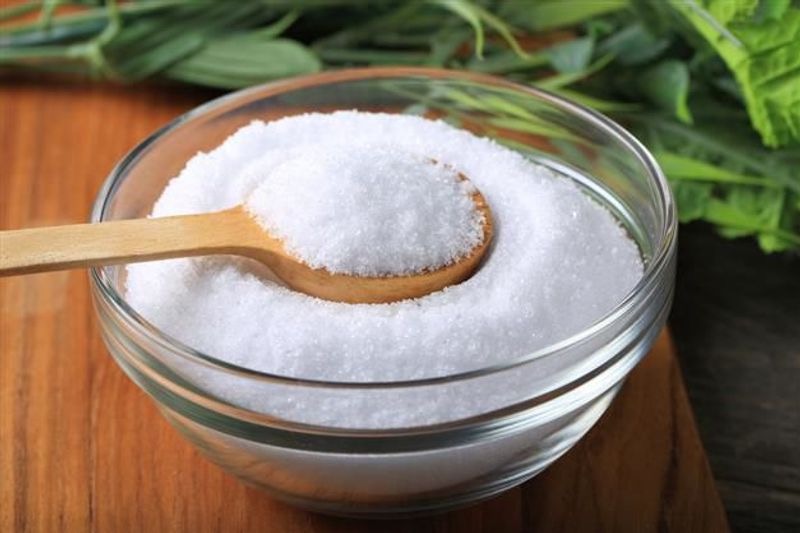
Saccharin's chemical name is 1,2-benzisothiazole-3(2H)-one 1,1-dioxide. It is typically found in the form of a white, crystalline powder that dissolves easily in water. Its molecular formula is C7H5NO3S, indicating it contains carbon, hydrogen, nitrogen, oxygen, and sulfur atoms arranged in a specific structure that gives saccharin its characteristic sweet taste.
Unlike natural sugars composed of carbohydrates, saccharin is not metabolized by the body for energy, which is why it contributes no calories. This trait makes saccharin a common ingredient in diet sodas, sugar-free candies, and other reduced-calorie snacks.
Discovered accidentally in 1879 by Constantin Fahlberg, saccharin was the first artificial sweetener to be mass-produced. Initially used during sugar shortages, saccharin quickly gained popularity due to its intense sweetness and cost-effectiveness. Over the decades, its use expanded globally across the food and pharmaceutical industries.
The compound's manufacturing process has evolved over time, with modern methods focusing on safety, purity, and environmental considerations. It usually involves chemical synthesis steps from toluene or other precursors, followed by oxidation and purification to produce the final sodium saccharin form.
Saccharin is used in a wide range of products, including:
- Food and Beverages: As a tabletop sweetener and in products such as diet soft drinks, baked goods, chewing gum, and desserts.
- Pharmaceuticals: To improve taste in syrups, chewable tablets, and oral healthcare products.
- Personal Care Products: In toothpaste and mouthwash for a sweet flavor without sugar.
Its stability under heat and acidic conditions allows saccharin to be used in baking and cooking applications where other artificial sweeteners might degrade or lose sweetness.
Saccharin's safety has been the subject of extensive scientific scrutiny. Early studies in the 1970s that linked saccharin to bladder cancer in laboratory rats led to regulatory warnings and restrictions in some countries. However, subsequent research clarified that these effects were species-specific and not relevant to humans.
Today, saccharin is approved as safe by major health authorities including:
- The U.S. Food and Drug Administration (FDA)
- The European Food Safety Authority (EFSA)
- The World Health Organization (WHO)
These agencies have established an Acceptable Daily Intake (ADI) for saccharin, which is the maximum amount considered safe for daily consumption over a lifetime.
Despite past controversies, recent studies indicate that saccharin does not raise blood sugar levels and is non-carcinogenic in humans. However, some individuals may experience mild allergic reactions or digestive discomfort at high doses.
Manufacturing saccharin involves chemical processes that have been refined to reduce environmental pollution. Modern production methods focus on minimizing the use of harmful reagents and ensuring that waste products are treated responsibly.
The majority of saccharin used commercially is in the form of sodium saccharin, which is water-soluble and easy to incorporate into different formulations.
Saccharin continues to be a valuable artificial sweetener, especially for individuals managing calorie intake or diabetes. Thanks to decades of research and regulatory review, it is recognized as safe when consumed within recommended limits. Advances in production have improved its purity and environmental compatibility. As consumers increasingly seek sugar alternatives, saccharin remains an important component in the global health and food industry.

Saccharin is a synthetic compound with the chemical formula C7H5NO3S, usually produced through chemical synthesis involving oxidation of precursors like toluene to yield sodium saccharin, its most common commercial form.
Yes, saccharin is considered safe by multiple health organizations, including the FDA and WHO, when consumed within the established acceptable daily intake levels. Earlier cancer concerns have been disproven for humans.
Saccharin is approximately 300 to 400 times sweeter than regular table sugar (sucrose), meaning only a very small amount is needed to achieve sweetness.
Yes, saccharin is heat-stable and can be used in cooking and baking without losing sweetness, unlike some other artificial sweeteners.
Saccharin does not raise blood sugar levels because it is not metabolized by the body as a carbohydrate, making it suitable for diabetic-friendly products.


