


Content Menu
>> Confectionery and Sugar-Free Sweets
>> Beverages
● Functional Benefits and Additional Roles
>>> Pharmaceutical and Personal Care
>> Sustainability and Production
● Frequently Asked Questions (FAQ)
>> 1. What is erythritol made from?
>> 2. Does erythritol affect blood sugar levels?
>> 3. Can erythritol cause digestive discomfort?
>> 4. In which products is erythritol commonly used?
>> 5. How is erythritol different from other sweeteners?
Erythritol is a naturally derived sugar alcohol that has gained significant popularity as a versatile, low-calorie sweetener, especially within the food, beverage, and healthcare industries. It offers a unique balance of sweetness with minimal calories and almost no impact on blood sugar, making it a favored ingredient for manufacturers dedicated to health-focused products. This article delves into the many applications of erythritol, its functional benefits, and why it continues to transform sugar-free and reduced-sugar formulations across global markets.
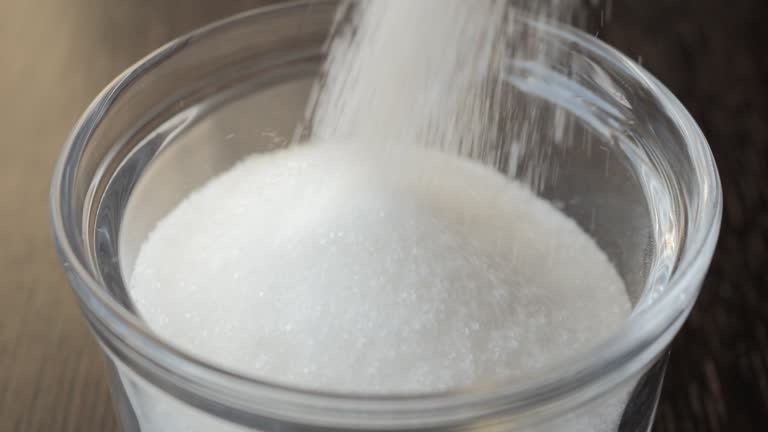
Erythritol occurs naturally in fruits such as grapes, melons, and pears and in fermented foods. Industrially, it is produced by fermenting glucose sourced from starches like corn or wheat, yielding a high purity, clean-label sweetener. It has about 70% of the sweetness of sucrose but nearly zero calories (0.2 kcal/g), and unlike traditional sugar, erythritol does not significantly raise blood glucose or insulin levels. This makes it highly suitable for diabetic-friendly formulations and low-glycemic product lines.[2][10][11]
Erythritol serves multiple purposes in food manufacturing beyond sweetness. It works as a bulking agent, humectant (moisture retainer), stabilizer, thickener, emulsifier, and texturizer, enabling complex product development for enhanced sensory properties. Here are its major usage categories:[1]
In baked products such as cakes, muffins, cookies, pastries, and breads, erythritol replaces sugar to reduce calories without sacrificing texture or flavor. It supports moisture retention, critical for softness, and contributes to desirable browning and mouthfeel. It also helps extend shelf life by maintaining product freshness and structural integrity. Because of its crystalline structure and fine particle size, it blends well with dry ingredients, giving a smooth taste similar to sugar.[4][1][2]
Erythritol is favored in sugar-free chocolates, candies, chewing gums, soft chews, gummy bears, and crystal candies. It imparts sweetness while preventing tooth decay since it does not feed cavity-causing bacteria. Its cooling effect is especially appreciated in mint-flavored candy products. Its bulking capacity supports formulation where structure and mouthfeel are critical, resulting in indulgent yet healthier treats.[3][1][2]
The beverage sector increasingly relies on erythritol for diet sodas, flavored waters, fruit juices, energy drinks, and hydration products. It provides clean, sugar-like sweetness without introducing calories or altering the original flavor profiles. Erythritol's chemical stability across a broad range of pH and processing temperatures allows for consistent sweetness throughout shelf life. Additionally, it can mask bitterness and undesirable odors in plant extracts and collagen-based beverages, significantly improving product palatability.[1][2][4]
In yogurts, ice cream, milk-based desserts, and dairy alternatives (like almond or coconut milk products), erythritol reduces total sugar content while preserving sweetness and creaminess. Crucially, it lowers the freezing point of frozen desserts, preventing ice crystal formation and creating smoother, creamier textures. This enhances the sensory experience and shelf life of frozen and refrigerated products, critical to consumer satisfaction.[2][1]
Erythritol is widely employed in snack bars, granolas, breakfast cereals, and fruit preserves to reduce sugar content while maintaining sweetness and texture. It acts as a binder and bulking agent, adding crispness and improving overall mouthfeel. This makes it ideal for energy bars and health snacks targeted at consumers demanding lower sugar but high flavor standards.[1][2]
Containing approximately 6% of the calories of sugar, erythritol enables manufacturers to deliver low-calorie or calorie-free products, aligning with trends toward weight management and healthier lifestyles.[2]
Erythritol's negligible effects on blood sugar and insulin secretion make it an excellent sweetener choice for diabetics and individuals seeking to stabilize blood glucose levels.[6][2]
As a non-cariogenic sweetener, erythritol does not promote tooth decay. Some studies even suggest it inhibits bacteria linked to cavities, boosting oral health for consumers of sugar-free gums and oral-care products.[3][2]
Erythritol produces a mild cooling sensation when dissolved, contributing a refreshing sensory note to products like mints and chewing gum, differentiating them from other sugar substitutes.[2]
Preliminary research indicates erythritol may aid digestive health by supporting beneficial gut microbiota, although this area requires more scientific validation.[6][2]
Erythritol sweetens vitamins, protein powders, dietary fiber supplements, and nutraceuticals, enhancing taste without adding sugar calories. Its compatibility with functional ingredients makes it suitable for specialized health products.[7][2]
It is used as a stabilizer, bulking agent, and sweetener in toothpaste, mouthwash, and certain drug formulations, benefiting manufacturers seeking natural and consumer-friendly ingredients.[7][3]
Modern erythritol production employs bio-based fermentation processes, often using naturally occurring yeasts to generate high-purity erythritol sustainably. This meets eco-conscious consumer demands and regulatory standards while supporting clean-label initiatives.[9][2]
Erythritol's expanding role in the food, beverage, and healthcare sectors is a testament to its versatility and health benefits. It offers manufacturers an exceptional sugar alternative that does not compromise product quality, delivering sweetness with minimal calories and no glycemic impact. Its functional properties support texture, moisture control, and shelf stability, enabling innovative product formulations across multiple categories. From natural sweetening in baked goods and confectionery to refreshing beverages and creamy frozen desserts, erythritol meets the rising global demand for healthier, lower-sugar solutions. As consumer preferences continue shifting toward wellness and sustainability, erythritol stands out as a key ingredient shaping the future of food and nutrition.
Erythritol is typically produced by fermenting glucose derived from starches such as corn or wheat. It naturally exists in trace amounts in certain fruits and fermented foods.
No, erythritol has a minimal glycemic index and does not cause significant increases in blood glucose or insulin, making it safe for diabetics.
Erythritol is mostly absorbed in the small intestine and excreted in urine, so it causes fewer digestive issues than other sugar alcohols, though very large quantities might cause mild effects.
Erythritol is found in sugar-free and low-calorie baked goods, candies, chewing gums, beverages, frozen desserts, dairy alternatives, snack bars, dietary supplements, and oral care products.
Erythritol closely mimics sugar's taste and texture but contains almost no calories, has no cariogenic effects, provides a cooling mouthfeel, and maintains stability across a wide range of product types and processing conditions.
[1](https://periodical.knowde.com/erythritol-in-the-food-industry/)
[2](https://satorianutrisentials.com/article/erythritol-applications-in-the-food-and-beverage-industry/)
[3](https://redox.com/news/erythritol-a-natural-low-calorie-sweetener-for-modern-applications/)
[4](https://www.foodchem.com/application-of-erythritol-in-the-food-industry/)
[5](https://pmc.ncbi.nlm.nih.gov/articles/PMC5756564/)
[6](https://pmc.ncbi.nlm.nih.gov/articles/PMC9824470/)
[7](https://www.sciencedirect.com/topics/agricultural-and-biological-sciences/erythritol)
[8](https://www.fda.gov/media/182122/download)
[9](https://elchemy.com/blogs/chemical-market/what-is-erythritol-made-from-a-look-at-its-sources-and-production-process)
[10](https://www.efsa.europa.eu/en/plain-language-summary/re-evaluation-erythritol-e-968-food-additive)
[11](https://www.webmd.com/diet/what-is-erythritol)


