
Views: 222 Author: Sara Publish Time: 2025-12-07 Origin: Site


Content Menu
● Chemical Structure and Metabolism of Aspartame
● Neurological Impacts of Aspartame Consumption
● Metabolic and Gut Effects from Aspartame
● Potential Carcinogenic Risks of Aspartame
● Cardiovascular and Organ Toxicity by Aspartame
● Immune, Skin, and Hormonal Responses to Aspartame
● Aspartame vs. Natural Sweetener Alternatives
● Regulatory Perspectives on Aspartame
● FAQs
>> 1. Is Aspartame Safe for Daily Use?
>> 2. Does Aspartame Increase Cancer Risk?
>> 3. How Does Aspartame Affect Weight and Metabolism?
>> 4. Can Aspartame Cause Neurological Issues?
>> 5. What Alternatives Exist to Aspartame?
Aspartame stands as one of the most widely used artificial sweeteners globally, delivering approximately 200 times the sweetness of sugar with nearly zero calories. This property positions aspartame as a staple in diet sodas, sugar-free gums, low-calorie yogurts, and numerous processed foods aimed at weight management and diabetes control. For manufacturers in the food, beverage, and healthcare sectors, aspartame integrates into blended sweetener formulations, though factories specializing in natural sweeteners, functional polyols, and dietary fibers increasingly offer healthier OEM/ODM alternatives to aspartame.[2][11][12][13][14]
Discovered accidentally in 1965 by chemist James M. Schlatter, aspartame quickly gained approval from regulatory bodies like the FDA after extensive testing. Its appeal lies in mimicking sugar's taste without the caloric load, making aspartame a go-to for reducing obesity risks in developing nations. However, debates surround aspartame's long-term safety, prompting ongoing research into what aspartame truly does to the body upon ingestion and metabolism.[6][2]
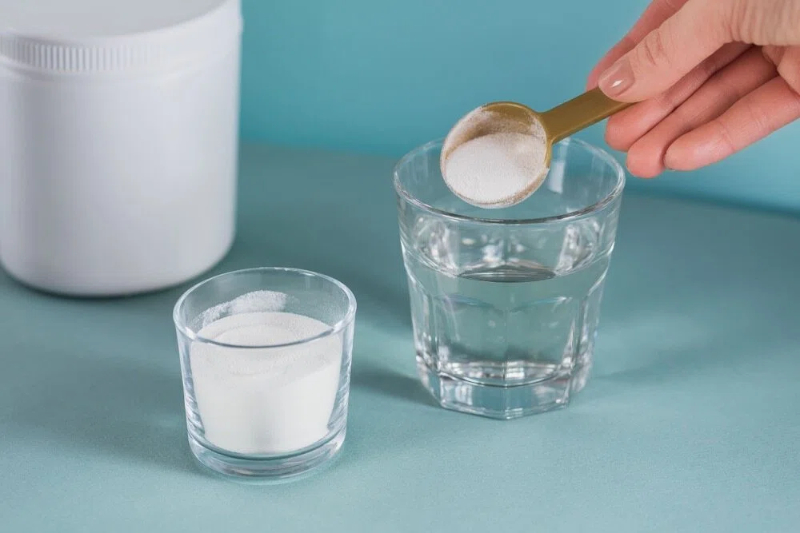
Aspartame consists of two amino acids—phenylalanine and aspartic acid—linked to a methyl ester group, forming L-aspartyl-L-phenylalanine methyl ester. Upon consumption, enzymes in the small intestine rapidly hydrolyze aspartame, breaking it into phenylalanine, aspartic acid, and methanol. These aspartame metabolites enter the bloodstream, where phenylalanine competes with other amino acids for transport across the blood-brain barrier, potentially elevating brain levels and influencing neurotransmitter synthesis.[13][2]
Methanol from aspartame metabolizes further into formaldehyde and formic acid, substances that can induce oxidative stress at high concentrations. Unlike dietary methanol from fruits, aspartame-derived methanol occurs in isolated bursts, raising questions about cumulative effects. Studies confirm aspartame elevates plasma phenylalanine significantly, which inhibits enzymes for dopamine and serotonin production, key players in mood regulation. This metabolic pathway underscores why aspartame demands scrutiny beyond its sweet profile.[1][4][2]
Aspartame affects brain function by altering neurotransmitter balance, with research linking high intake to increased irritability and depression scores. In controlled trials, participants on high-aspartame diets (25 mg/kg) showed weaker spatial orientation and more frequent depressive symptoms compared to low-aspartame periods. Aspartame's phenylalanine surge reduces catecholamines like dopamine, contributing to mood swings, anxiety, and cognitive fog.[5][1][2]
Long-term aspartame exposure associates with neurodegenerative risks, including Alzheimer's and Parkinson's, due to methanol-induced free radicals damaging cell membranes and mitochondria. Elevated hydrogen peroxide from aspartame heightens oxidative stress, promoting neuronal apoptosis. Microglial activation by aspartame triggers neuroinflammation, exacerbating learning difficulties, headaches, seizures, and migraines. These neurological shifts highlight aspartame's potential to disrupt daily mental performance.[4][2][5]
Aspartame influences metabolism by modulating gut microbiota, leading to dysbiosis that impairs digestion and insulin sensitivity. Despite low calories, aspartame may promote weight gain through cephalic phase responses and incretin hormone disruptions, fostering insulin resistance and non-alcoholic fatty liver disease. High aspartame diets correlate with heightened sweet cravings, undermining its weight-loss intent.[12][2][4]
In diabetes contexts, aspartame serves as a sugar substitute, yet excessive use links to poor glycemic control via microbiota alterations. Aspartame elevates corticosterone, mimicking stress-induced metabolic slowdowns and lipid accumulation. Cellular studies reveal aspartame boosts lipid droplets and triacylglycerides, straining hepatic function. These effects position aspartame as a double-edged tool in metabolic health.[2][4][12]
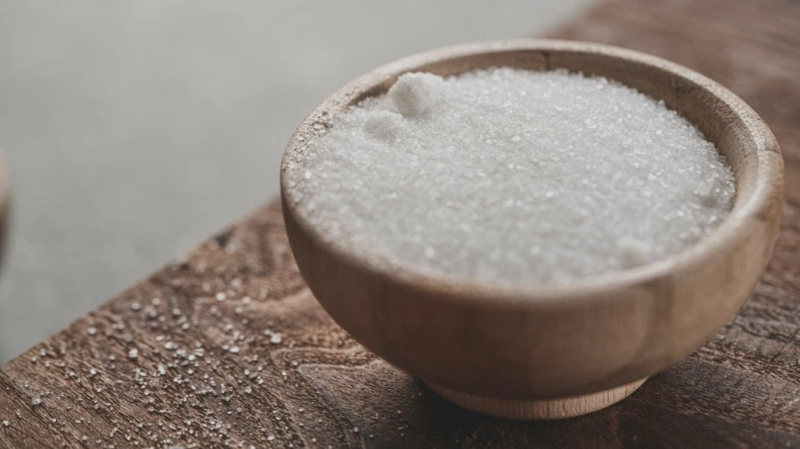
The International Agency for Research on Cancer (IARC) classifies aspartame as possibly carcinogenic (Group 2B), citing limited evidence from animal studies showing lymphomas and leukemias. Network toxicology reveals aspartame interacting with cancer-related proteins, mimicking known carcinogenic pathways through biomolecular interference. Prenatal aspartame exposure in rats amplifies tumor risks, with upregulated genes like H-ras in liver tissues.[3][6][2]
Human epidemiological data remains mixed, but dose-response trends near acceptable daily intakes (40-50 mg/kg) raise concerns. Aspartame's formaldehyde byproduct promotes angiogenesis, aiding tumor growth and metastasis. Ongoing debates fuel calls for reevaluation, especially given aspartame's ubiquity in daily diets.[8][9][4]
Aspartame associates with elevated cardiovascular risks, including stroke, hypertension, and dyslipidemia from chronic intake. Oxidative stress markers rise, damaging vascular endothelium and promoting abdominal obesity. Kidney and liver toxicity emerges in animal models, with aspartame causing histopathological changes and enzyme disruptions.[15][13][2]
Adrenal strain from aspartame elevates ACTH and corticosterone, shrinking immune organs like spleen and thymus. Mitochondrial dysfunction in cardiomyocytes links aspartame to heart failure potentials. These organ-level insults emphasize aspartame's broader systemic toll.[4][2]
High-dose aspartame triggers systemic contact dermatitis via formaldehyde accumulation, though low doses may alleviate some atopic symptoms. Gut-derived inflammation from aspartame dysbiosis heightens allergic potentials. Hormonally, aspartame activates the HPA axis, sustaining stress responses and endocrine imbalances.[5][12][2]
Reproductive studies link aspartame to preterm deliveries, while corticosterone surges reduce organ weights. These responses underscore aspartame's immuno-modulatory and endocrine-disrupting capacities.[12][4]
| Aspect | Aspartame Characteristics | Natural Sweeteners (Stevia, Polyols) |
|---|---|---|
| Sweetness Intensity | 200x sugar, rapid breakdown to excitotoxins | 200-300x sugar, stable plant-derived |
| Caloric Contribution | Near-zero, but microbiota/insulin disruption | Zero, gut-friendly support |
| Neurological Safety | Headaches, depression, neuroinflammation | Minimal cognitive impacts |
| Cancer/Organ Risk | Possible carcinogenic, oxidative damage | Lower toxicity profiles |
| Metabolic Effects | Weight gain potential, dysbiosis | Blood sugar stability, fiber synergy |
| Manufacturing Fit | Synthetic OEM blends | Custom blends, tablets via Chinese factories |
China-based factories provide superior natural options for global OEM/ODM needs.
FDA, EFSA, and JECFA uphold aspartame safety up to 40-50 mg/kg daily, based on over 100 studies. WHO balances IARC's hazard classification with risk assessments affirming moderate use. Phenylketonuria patients must avoid aspartame due to phenylalanine accumulation. Continuous monitoring addresses emerging data on aspartame vulnerabilities.[7][10][6][2]
Aspartame offers calorie-free sweetness but exerts multifaceted effects on the body, from neurotransmitter disruptions and neuroinflammation to metabolic dysbiosis, potential carcinogenicity, and organ stress. While regulatory limits support moderate aspartame use, sensitive populations and long-term consumers face heightened risks from its metabolites. Food, beverage, and healthcare manufacturers benefit from pivoting to natural sweeteners, functional polyols, and dietary fibers via specialized Chinese OEM/ODM services, ensuring safer, innovative blends that prioritize health without aspartame's controversies.[1][6][2][4][5]
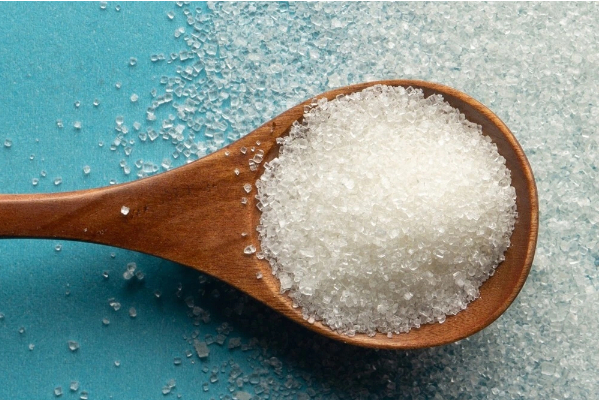
Regulatory bodies deem aspartame safe below 40-50 mg/kg body weight daily, but high intake links to irritability, depression, and headaches in studies. Those with phenylketonuria must avoid aspartame entirely.[6][1][2]
IARC rates aspartame as possibly carcinogenic (Group 2B) based on animal evidence, with human data inconclusive yet concerning near ADI levels. Molecular studies suggest pathway overlaps with known carcinogens.[3][4][6]
Aspartame may disrupt gut microbiota and insulin, promoting cravings and resistance despite low calories. Pairing with fibers mitigates some effects.[4][12]
Yes, aspartame elevates phenylalanine, reducing dopamine/serotonin and triggering headaches, mood changes, and cognitive decline. Neuroinflammation plays a key role.[2][5]
Stevia, monk fruit, erythritol, and dietary fibers offer natural substitutes with fewer risks, ideal for OEM tablet production.[14]
[1](https://pmc.ncbi.nlm.nih.gov/articles/PMC5617129/)
[2](https://pmc.ncbi.nlm.nih.gov/articles/PMC8227014/)
[3](https://www.nature.com/articles/s41598-024-62461-w)
[4](https://pmc.ncbi.nlm.nih.gov/articles/PMC12286081/)
[5](https://www.sciencedirect.com/science/article/abs/pii/S1567576924008154)
[6](https://www.who.int/news/item/14-07-2023-aspartame-hazard-and-risk-assessment-results-released)
[7](https://www.fda.gov/food/food-additives-petitions/aspartame-and-other-sweeteners-food)
[8](https://www.sciencedirect.com/science/article/pii/S2590113323000202)
[9](https://sph.umich.edu/news/2023posts/aspartame-and-cancer-a-toxicologists-take.html)
[10](https://www.cancer.org/cancer/risk-prevention/chemicals/aspartame.html)
[11](https://www.gsweetltd.com/cn/)
[12](https://www.healthline.com/health/aspartame-side-effects)
[13](https://www.webmd.com/diet/what-to-know-about-aspartame)
[14](https://pdf.dfcfw.com/pdf/H3_AP202412131641289648_1.pdf)
[15](https://www.medicalnewstoday.com/articles/322266)


