
Views: 222 Author: Sara Publish Time: 2025-12-01 Origin: Site


Content Menu
● Understanding Artificial Sweeteners and Sweeteners
● Which Artificial Sweeteners Cause Diarrhea?
>> Aspartame
>> Sucralose
>> Saccharin
>> Neotame and Acesulfame Potassium (Ace-K)
● Why Do Artificial Sweeteners Cause Diarrhea?
● Scientific Research on Sweeteners and Diarrhea
● Tips for Consumers on Sweeteners and Digestive Health
● FAQs About Sweeteners and Diarrhea
>> 1. Which artificial sweeteners are most likely to cause diarrhea?
>> 2. How do artificial sweeteners affect gut bacteria?
>> 3. Are natural sweeteners better for digestive health?
>> 4. Is diarrhea from sweeteners permanent?
>> 5. How can I minimize diarrhea when using sweeteners?
Artificial sweeteners, commonly used as sugar substitutes in a wide range of food, beverage, and healthcare products, provide sweetness without the calories of sugar. While their calorie-reducing benefits make them popular, many artificial sweeteners have been linked to digestive side effects, particularly diarrhea. This article explores which artificial sweeteners are most commonly associated with diarrhea, the scientific mechanisms behind these effects, and current research findings on their impact on gut health.

Sweeteners can be broadly categorized into natural and artificial types. Artificial sweeteners, also known as non-nutritive sweeteners or sugar substitutes, include substances such as aspartame, sucralose, saccharin, acesulfame potassium (Ace-K), and neotame. These compounds are widely used in "sugar-free" or "diet" products to provide sweetness without the added calories. Despite these benefits, artificial sweeteners can have unintended effects on the digestive system, often causing symptoms such as bloating, gas, and diarrhea.
Sugar alcohols (polyols), including sorbitol, xylitol, maltitol, and erythritol, are common artificial sweeteners known for their laxative effects. Unlike other sweeteners, sugar alcohols are not fully absorbed in the small intestine and instead pass into the colon. There, gut bacteria ferment them, producing gas and drawing water into the intestines, leading to diarrhea and abdominal discomfort. This osmotic effect is dose-dependent, meaning larger quantities are more likely to cause digestive distress. People sensitive to sugar alcohols should monitor their intake carefully.
Aspartame is comprised of phenylalanine, aspartic acid, and methanol, and while it is generally well-tolerated, it can cause digestive issues in some individuals. Recent studies indicate that aspartame may alter the gut microbiome composition and increase intestinal permeability, sometimes referred to as "leaky gut," which allows harmful substances to enter the bloodstream and irritate the digestive tract. This gut barrier disruption can result in symptoms like diarrhea and cramping.
Research shows that sucralose can significantly affect the gut microbiome by reducing the diversity of beneficial bacteria and increasing inflammation-promoting species. The disruption of the microbiome can impair digestion and lead to gastrointestinal symptoms, including diarrhea. Notably, sucralose may cause more profound changes in the small intestine compared to the colon, emphasizing its impact on gut health beyond just sweetness.
Saccharin, one of the oldest artificial sweeteners, has been associated with allergic reactions and gastrointestinal issues such as diarrhea in sensitive individuals. Like sucralose and aspartame, saccharin may shift gut microbial balance unfavorably, contributing to digestive discomfort. Some patients report worsened symptoms of inflammatory bowel disease (IBD) when consuming saccharin-containing products.
Neotame, a derivative of aspartame, and Ace-K are newer artificial sweeteners approved for various food uses. Laboratory studies reveal that neotame can harm the intestinal lining and beneficial gut bacteria, causing inflammation and epithelial cell death. Ace-K has also been linked to changes in gut bacteria diversity and intestinal barrier function, potentially leading to diarrhea and other gastrointestinal symptoms. Although these sweeteners are used in small quantities, even minimal exposure may impact gut health in sensitive individuals.
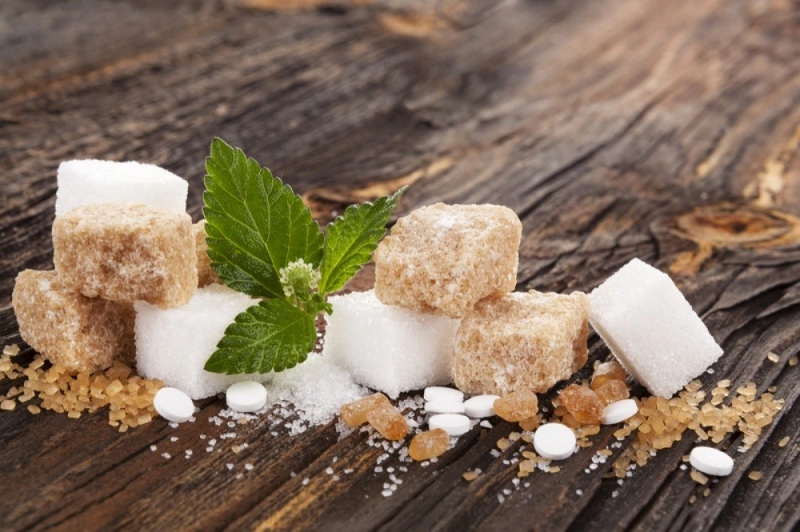
The underlying reasons artificial sweeteners cause diarrhea largely involve their interactions with the gut microbiome and the intestinal lining:
- Microbiome Disruption: Artificial sweeteners alter the balance of beneficial and harmful bacteria, sometimes reducing microbial diversity. This dysbiosis can impair digestion and promote the production of gas and toxins.
- Increased Intestinal Permeability: Some sweeteners increase gut "leakiness," allowing bacteria and toxins to penetrate the intestinal wall, triggering inflammation and diarrhea.
- Fermentation and Osmotic Effects: Partially absorbed sweeteners like sugar alcohols reach the colon where bacteria ferment them, producing gas and attracting water into the bowel, leading to loose stools.
Recent scientific investigations reinforce the association between artificial sweeteners and negative impacts on gut health. A 2025 study by Cedars-Sinai researchers found that artificial sweeteners significantly altered the microbial diversity in the small intestine, with non-aspartame sweeteners reducing beneficial bacterial richness. The study also noted that subjects consuming aspartame had increased bacterial pathways linked to potentially harmful toxins, which could influence gut-related diseases.
Another key study from Anglia Ruskin University in 2024 revealed that neotame damages gut lining cells and disrupts beneficial bacteria, leading to intestinal inflammation and impaired nutrient absorption. Laboratory experiments showed neotame's negative effects at or below recommended daily intake levels, highlighting the potential risks even at low consumption.
Further clinical observations link consumption of sweeteners like sucralose, saccharin, and Ace-K to exacerbated gastrointestinal symptoms, including diarrhea, especially among individuals with preexisting gut conditions such as irritable bowel syndrome (IBS) or IBD.
- Limit intake of sugar alcohols if prone to diarrhea, and check food labels for these ingredients.
- Introduce artificial sweeteners slowly to gauge individual tolerance.
- Consider natural sweeteners such as stevia or monk fruit which tend to have fewer digestive side effects.
- Stay hydrated and maintain a balanced diet to support gut health.
- Consult healthcare providers if gastrointestinal symptoms persist after consuming artificial sweeteners.
Artificial sweeteners offer appealing alternatives to sugar, especially for calorie-conscious consumers, but several types have been linked to diarrhea and digestive discomfort due to their effects on the gut microbiome and intestinal lining. Sugar alcohols like sorbitol and erythritol are well-known culprits, while aspartame, sucralose, saccharin, neotame, and ace-K have all shown potential to disrupt gut health and cause diarrhea in sensitive individuals. Careful consumption and awareness of these effects can help consumers enjoy sweeteners without digestive distress.
Sugar alcohols such as sorbitol and xylitol are the most common causes, but aspartame, sucralose, saccharin, neotame, and Ace-K can also induce diarrhea in sensitive people.
Many sweeteners disrupt the balance of gut microbes, reducing beneficial bacteria and promoting harmful strains, which can lead to digestive symptoms including diarrhea.
Natural sweeteners like stevia and monk fruit generally cause fewer digestive issues, though individual tolerance varies.
Typically, diarrhea is temporary and dose-dependent; symptoms often resolve once sweetener intake is reduced or stopped.
Start with small amounts, avoid excess sugar alcohols, choose natural sweeteners if sensitive, and monitor your body's response.
If you require, the article can be further tailored for SEO impact with additional keyword density and style adjustments.
[1](https://www.cedars-sinai.org/newsroom/research-alert-artificial-sweeteners-significantly-alter-the-small-bowel-microbiome/)
[2](https://www.forbes.com/sites/victoriaforster/2024/04/25/artificial-sweetener-can-seriously-damage-gut-according-to-new-study/)
[3](https://www.nytimes.com/2025/11/24/well/eat/ultraprocessed-foods-gut-health-colorectal-cancer.html)
[4](https://pmc.ncbi.nlm.nih.gov/articles/PMC11078302/)
[5](https://pmc.ncbi.nlm.nih.gov/articles/PMC4819855/)
[6](https://pmc.ncbi.nlm.nih.gov/articles/PMC12119465/)
[7](https://www.science.org/content/blog-post/trouble-erythritol)
[8](https://www.frontiersin.org/journals/nutrition/articles/10.3389/fnut.2025.1694264/full)
[9](https://www.news-medical.net/health/How-Artificial-Sweeteners-Disrupt-the-Gut-Microbiome-Or-Do-They.aspx)
[10](https://www.bswhealth.com/blog/sugar-substitutes)


