
Views: 222 Author: Sara Publish Time: 2025-09-14 Origin: Site


Content Menu
● What Are Non Nutritive Sweeteners?
● Types of Non Nutritive Sweeteners
● Mechanism Behind Non Nutritive Sweeteners
● Applications in Food, Beverage, and Healthcare
● Potential Concerns and Myths
● Market Trends and Innovations
● FAQ
>> 1. What are the main types of non nutritive sweeteners?
>> 2. Are non nutritive sweeteners safe to consume regularly?
>> 3. Can these sweeteners assist with weight loss?
>> 4. Do non nutritive sweeteners affect blood sugar?
>> 5. Are natural sweeteners better than artificial ones?
Non nutritive sweeteners (NNS) are sweetening agents that provide intense sweetness without significant caloric or nutritive value. As the global demand for healthier, low-calorie, and sugar-free products rises rapidly, non nutritive sweeteners have become essential in food, beverage, and healthcare industries. They help consumers reduce caloric intake, manage blood sugar, and maintain dental health without compromising sweetness. This article provides a comprehensive overview of non nutritive sweeteners—what they are, their types, mechanisms, safety, benefits, applications, market trends, and future outlook. Throughout, the keyword "Sweeteners" is emphasized for industry relevance and SEO optimization.
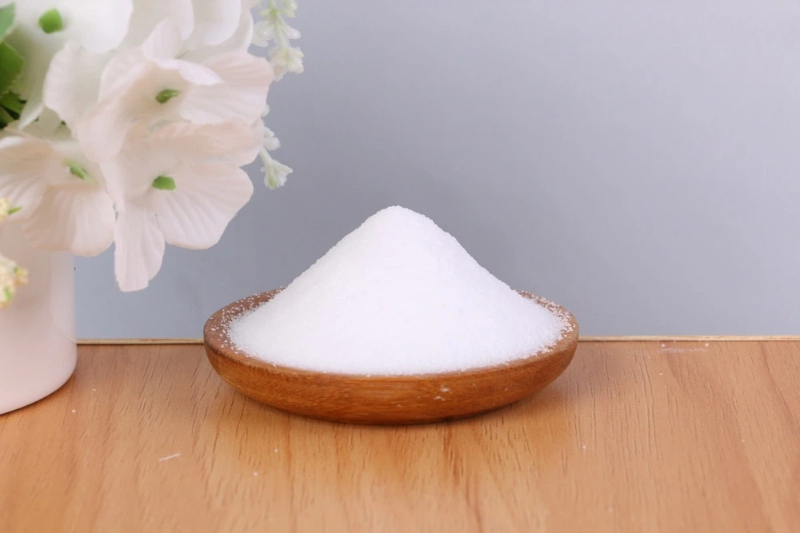
Non nutritive sweeteners are substances that sweeten food and beverages while contributing few or no calories. Unlike common nutritive sweeteners such as table sugar (sucrose), which provide energy, non nutritive sweeteners are many times sweeter and used in tiny amounts to achieve the desired sweetness. They can be derived from natural sources or synthesized chemically. Examples approved by regulatory authorities include aspartame, sucralose, saccharin, acesulfame potassium, stevia extracts, and monk fruit extract. These compounds help formulate diet sodas, sugar-free snacks, nutritional supplements, and tabletop sweetener products.
Non nutritive sweeteners are broadly classified as either artificial or natural based on their origin.
- Artificial Sweeteners: Synthesized chemically, they include aspartame, saccharin, sucralose, acesulfame potassium, neotame, and advantame. Known for their intense sweetness—often hundreds to thousands of times sweeter than sucrose—they are widely used in processed foods, beverages, and pharmaceuticals.
- Natural Sweeteners: Extracted from plants, the most popular are steviol glycosides from the stevia plant and monk fruit extracts. Both are calorie-free and recognized as safe by the FDA and other agencies. These offer a plant-derived alternative to artificial sweeteners, preferred by consumers seeking natural ingredients.
Sweetness perception arises when molecules bind to specific sweet receptors on the tongue. Non nutritive sweeteners activate these receptors strongly even at low concentrations, allowing manufacturers to use minimal amounts to deliver sweetness equivalent to sugar but without calories. Some sweeteners, like aspartame, are metabolized into amino acids and small molecules, whereas others such as sucralose pass through the digestive system largely unchanged.
Safety is critical for approving any sweetener. Agencies such as the U.S. Food and Drug Administration (FDA) and the European Food Safety Authority (EFSA) perform rigorous evaluations of toxicity, carcinogenicity, and metabolic effects before authorizing use. Acceptable Daily Intake (ADI) levels are established based on scientific evidence to guide safe consumption. Non nutritive sweeteners approved by these bodies have undergone lengthy studies and are deemed safe within prescribed limits. Concerns about bladder cancer linked to saccharin were resolved through studies demonstrating irrelevance to humans. The FDA currently recognizes eight non nutritive sweeteners including aspartame, sucralose, stevia, saccharin, monk fruit (luo han guo), acesulfame potassium, neotame, and advantame.
Non nutritive sweeteners have versatile applications:
- Low-Calorie and Diet Foods: Used extensively in sodas, flavored waters, yogurts, candies, and chewing gums to reduce calorie count while preserving sweetness.
- Baking and Cooking: Heat-stable sweeteners like sucralose enable sugar replacement in baked goods and frozen desserts.
- Nutritional Supplements and Medical Foods: Support diabetic-friendly and weight management formulations without raising blood glucose.
- Tabletop Sweeteners: Convenient for consumers to add sweetness to beverages without calories.
Benefits of non nutritive sweeteners include:
- Weight Management: Lower calories help control or lose weight by substituting sugar.
- Dental Health: Unlike sugar, they do not feed oral bacteria that cause tooth decay.
- Diabetes Control: They do not spike blood sugar, aiding glycemic management.
- Public Health Support: Encouraged by health organizations to limit sugar consumption and associated metabolic diseases.
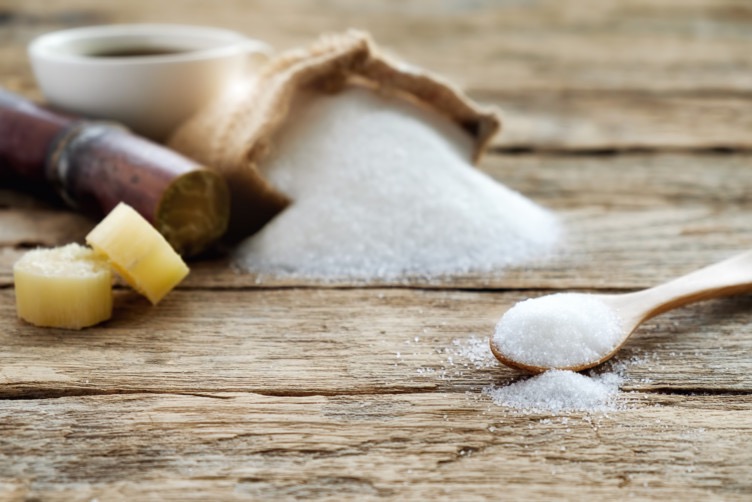
While generally safe, some concerns exist regarding artificial sweeteners' impact on gut microbiota and potential long-term effects. Research is ongoing, and regulatory bodies maintain surveillance. Natural non nutritive sweeteners like stevia offer alternatives for those wary of synthetic compounds. It is important to consume all sweeteners within recommended amounts.
The global sweeteners market is rapidly growing, driven by consumer health awareness and innovations in sweetener formulations. Major companies like Cargill, ADM, and Tate & Lyle lead development of natural sweetener blends and novel synthetic compounds that mimic sugar's taste profile more closely. Expansion into personal care and pharmaceutical sectors is notable, as sweeteners enhance flavor without sugar's drawbacks. The trend towards clean-label and non-GMO sweeteners also shapes product offerings.
Advancements in biotechnology, extraction techniques, and flavor science will further refine non nutritive sweeteners. Combining sweeteners with dietary fibers and functional polyols in product formulations is becoming common for health benefits and taste enhancement. Regulatory frameworks continue to evolve as scientific evidence emerges, ensuring consumer safety while supporting innovation.
Non nutritive sweeteners are critical ingredients in modern food, beverage, and healthcare products, providing sweetness with negligible calories. They support weight management, dental health, and diabetes care and align with public health goals to reduce sugar consumption. Both artificial and natural sweeteners are safe and effective when used responsibly. Ongoing research and innovation promise even better sweetening solutions tailored to consumer preferences and health trends worldwide.
The main types are artificial sweeteners such as aspartame, sucralose, saccharin, and acesulfame potassium, and natural sweeteners including stevia and monk fruit extract.
Yes, when consumed within the Acceptable Daily Intake (ADI) levels established by regulatory bodies like the FDA, non nutritive sweeteners are considered safe based on extensive scientific studies.
They can support weight loss efforts by providing sweetness without calories, helping reduce overall calorie intake when combined with a balanced diet and lifestyle.
Most non nutritive sweeteners do not raise blood glucose levels, making them suitable for people with diabetes.
Natural sweeteners like stevia are plant-derived and favored by some consumers, but both natural and artificial sweeteners are safe and effective when used properly.
[1](https://hgic.clemson.edu/factsheet/non-nutritive-sweeteners/)
[2](https://extension.oregonstate.edu/food/preservation/sweeteners-nutritive-non-nutritive)
[3](https://www.heart.org/en/healthy-living/healthy-eating/eat-smart/sugar/low-calorie-sweeteners)
[4](https://www.hopkinsguides.com/hopkins/view/Johns_Hopkins_Diabetes_Guide/547161/all/Non_nutritive_and_Nutritive_Sweeteners)
[5](https://nutritionsource.hsph.harvard.edu/2023/06/06/who-guidelines-non-sugar-sweeteners/)
[6](https://www.who.int/publications/i/item/9789240073616)
[7](https://www.andeal.org/vault/2440/web/JADA_NNS.pdf)
[8](https://stop.publichealth.gwu.edu/infographics/obesity-non-nutritive-sweeteners)


