
Views: 222 Author: Sara Publish Time: 2025-11-12 Origin: Site


Content Menu
● Understanding Monk Fruit Extract
● Market Landscape and Capabilities in Indonesia
● Core Capabilities of Leading Indonesian Suppliers
>> Extraction technology and mogroside profiling
>> Product forms and formulation options
>> Quality assurance and regulatory readiness
>> OEM/ODM and blended-sweetener development
>> Supply reliability and scalability
● Applications Across Industries
>> Dietary supplements and healthcare products
● Quality and Regulatory Considerations
>> Transparency and traceability
>> Regulatory alignment by market
>> Allergen and safety controls
● Partnering with a Chinese Factory for Global Markets
>> Blended-sweetener development
● FAQ
>> 1. What is monk fruit extract and why is it valuable for international markets?
>> 2. What are typical purity levels available from Indonesian suppliers?
>> 3. How is quality assured in monk fruit extract supply?
>> 4. Can monk fruit extract be used in tablet formulations?
>> 5. What should overseas manufacturers consider when engaging OEM/ODM partners?
Indonesia has become a vibrant node in the global supply chain for natural sweeteners, including monk fruit extract (Luo Han Guo). The combination of abundant agricultural potential, growing demand for clean-label ingredients, and a rising interest in sugar-reduction strategies positions Indonesian manufacturers as valuable partners for overseas food, beverage, and health product companies. This article surveys the landscape of monk fruit extract manufacturers and suppliers in Indonesia, with a focus on capabilities that are most relevant to international clients, including blended-sweetener development, tablet production, and comprehensive OEM/ODM services. It also highlights quality, regulatory readiness, and collaborative models that can streamline product development from concept to commercial scale.
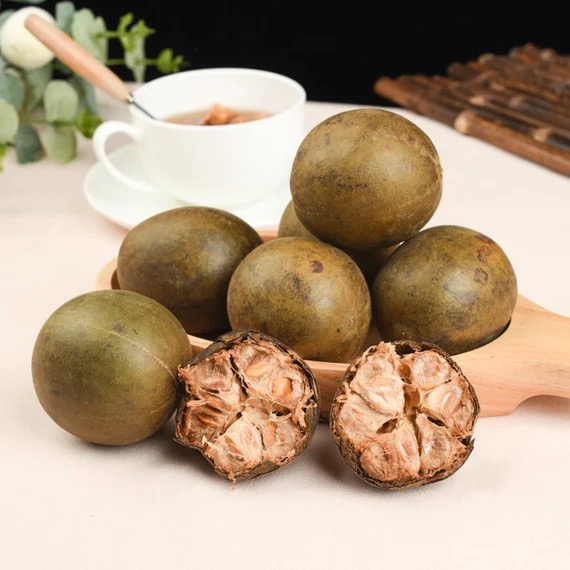
Monk fruit extract is derived from Siraitia grosvenorii fruits and is celebrated for mogrosides—the compounds responsible for intense sweetness with minimal calories. Mogroside V is the primary contributor to sweetness intensity and stability in food systems. For overseas manufacturers, monk fruit extract offers an opportunity to create low-sugar or zero-calorie products that still deliver pleasing taste profiles across beverages, baked goods, dairy, and nutraceutical formats. In Indonesia, extracts are produced at various purity levels to accommodate a wide range of applications, from low- to high-intensity sweetening needs. The flexibility to blend monk fruit extract with other natural sweeteners enables tailored flavor profiles, mouthfeel, and sweetness curves that suit international markets. For health-focused products, monk fruit extract can be incorporated into dietary supplements, functional foods, and medical-nutraceutical formats, where precise labeling and consistent supply are critical for regional regulatory programs.
Indonesia's monk fruit extract sector features a mix of cultivation provenance, extraction facilities, and formulation capabilities that support global supply chains. The market advantages include:
- Access to diversified mogroside profiles through controlled extraction and purification processes.
- Flexible product forms, including powders and ready-to-blend ingredients suitable for tablet production and co-processing in blended-sweetener systems.
- A growing ecosystem of contract manufacturing and private-label possibilities that align with OEM/ODM models.
Key capabilities to look for in Indonesian suppliers include extraction technology, purity control, product forms, and quality assurance systems. Industry players are increasingly leveraging advanced analytics, traceability programs, and collaboration-ready platforms to meet the needs of international customers. The result is a tiered offering—from standardized extracts to customized blends for food, beverage, and health-oriented products.
Good monk fruit extract producers maintain a clear understanding of mogroside V content as a central quality metric. They employ a spectrum of extraction and purification techniques—including hot-water extraction, solid-liquid separation, and modern purification methods—to achieve consistent mogroside profiles. The most capable facilities also explore ultrasonic or other innovative extraction methods to optimize yield while preserving bioactive components. For international buyers, this translates into reliable purity ranges and predictable performance in finished products.
Suppliers typically offer:
- Powder forms with various mogroside concentrations suitable for direct blending or use as a sweetening component in formulations.
- Liquid concentrates for beverage applications or flavors where solubility and dispersion are critical.
- Micro-encapsulated or spray-dried formats designed to improve stability, taste masking, and handling in tablet or powder blends.
The breadth of product forms supports overseas manufacturers seeking to assemble blended-sweetener systems or integrate monk fruit extract into tablet formulations with other excipients.
Reputable suppliers provide batch-specific COAs (Certificate of Analysis), GMP/ISO/HACCP certifications, and traceability data for the supply chain. This information supports exporters in meeting international regulatory requirements and achieving consistent performance across batches. Documentation readiness reduces the time-to-market for new products and minimizes compliance risk in target markets.
A critical differentiator is the willingness and ability to co-develop blends that meet specific taste, texture, and stability targets. OEM/ODM partnerships enable overseas manufacturers to customize sweetness curves, reduce aftertaste bitterness, and tailor product behavior under heat or processing conditions. In practice, this means collaboration from early-stage formulation through scale-up and finished product testing.
The best Indonesian suppliers demonstrate robust supply reliability, with secure sourcing of raw materials, diversified customer bases, and scalable production lines. For international clients, this translates into predictable lead times, the ability to support large-volume orders, and continuity of supply even during seasonal fluctuations in fruit harvests.
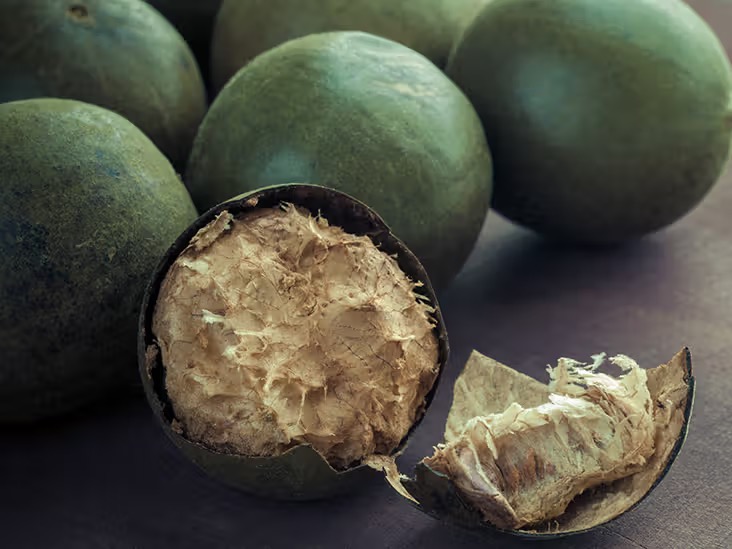
Monk fruit extract offers a pathway to sugar reduction while maintaining sweetness intensity and clean-label appeal. It is commonly used in ready-to-drink beverages, dairy desserts, baked goods, and confectionery. When paired with other natural sweeteners in blended formulations, monk fruit extract can help achieve sugar reductions of 30–60% depending on product category and regime, all while preserving flavor balance and mouthfeel.
In capsules, tablets, or functional beverages, monk fruit extract provides an appealing sweetness component without contributing significant calories. Its use in nutraceutical formats often requires careful consideration of solubility and compatibility with active pharmaceutical ingredients (APIs) and excipients. Reliable supply and consistent mogroside content are especially important for regulatory submissions and labeling.
For overseas manufacturers, contracting with Indonesian suppliers for OEM/ODM can streamline product development. A well-structured collaboration covers formula design, pilot testing, scale-up planning, packaging customization, and regulatory support. The result is a turnkey path from concept to high-quality finished products that meet international standards.
Honest and auditable documentation is essential. Buyers should request batch COAs, impurity profiles, and certification stamps that confirm compliance with applicable standards in their target markets. Transparent data helps avoid post-market quality surprises and supports confidence in long-term partnerships.
For global clients, alignment with regulatory regimes (such as FDA in the United States, EFSA in the European Union, and ASEAN guidelines) is critical. Indonesian suppliers that understand cross-border requirements can help streamline regulatory submissions, labeling accuracy, and certificates required for importation.
Suppliers should demonstrate robust allergen controls and safety assessments where relevant, especially for multi-component blends and co-packaged products. Clear labeling and allergen declarations support compliance in export markets and help build consumer trust.
Your factory's strength lies in delivering health-ingredient solutions with a global perspective. The core capabilities include:
Ability to design, test, and optimize blends that combine monk fruit extract with other natural sweeteners to achieve specific sweetness profiles, aftertaste mitigation, and sugar-reduction targets. This capability enables overseas manufacturers to differentiate products while maintaining clean-label claims.
End-to-end tablet manufacturing—from formulation development to compression, coating, and packaging. Monk fruit extract can be integrated into tablet matrices with appropriate binders, disintegrants, and taste-masking strategies, ensuring product stability and consumer acceptability.
Comprehensive contract manufacturing and private-label options allow partners to realize branding, product customization, and regulatory-ready formulations. ODM projects can span from concept development to finished goods, including packaging design and regulatory documentation.
Your factory's experience with international clients positions it well to help partners navigate regulatory landscapes, submit required documentation, and ensure labeling compliance for target markets.
A robust supply network, quality assurance programs, and reliable logistics enable on-time delivery and supply continuity for overseas customers, even amid seasonal or supply-chain disruptions.
Indonesia's monk fruit extract sector offers a compelling combination of flexibility, quality, and collaboration potential for overseas manufacturers seeking clean-label, high-purity natural sweeteners. Coupled with a Chinese factory's strength in blended-sweetener development, tablet production, and OEM/ODM services, this partnership model supports rapid market entry, customized formulations, and scalable production. By prioritizing transparency, regulatory readiness, and responsive service, international clients can build durable, mutually beneficial relationships with Indonesian monk fruit extract manufacturers and suppliers.
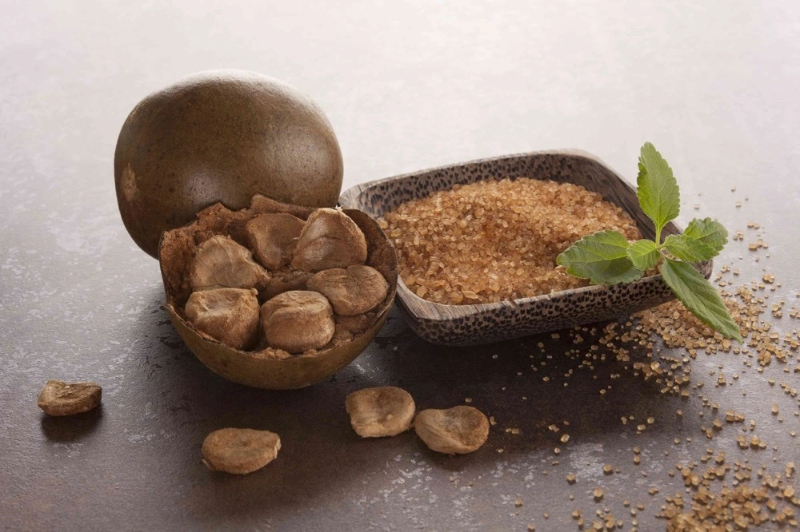
Monk fruit extract is a natural sweetener derived from Siraitia grosvenorii, offering intense sweetness with minimal calories due to mogrosides, particularly mogroside V. It supports sugar reduction strategies and clean-label positioning across global markets.
Typical mogroside V purities include 25–50%, 60%, 75%, and 95%, with higher purities favored for premium formulations and low-calorie products.
Reputable suppliers provide COAs, GMP/ISO/HACCP certifications, traceability data, and batch-specific testing results to ensure consistency and compliance with international standards.
Yes. It can be incorporated into tablet matrices with appropriate excipients, ensuring sweetness, stability, and acceptable disintegration profiles.
Consider private-label or co-branding options, pilot-scale testing, scalability from pilot to full production, regulatory support, and post-sales technical assistance.
[1](https://www.linkedin.com/pulse/in-depth-analysis-monk-fruit-extract-industry-chain-nutramax--igghc)
[2](https://monkvee.com/blogs/monkvee-news/the-ultimate-guide-to-monk-fruit-processing)
[3](https://heng-li-yuan.com/en/production-monk_fruit_core.html)
[4](https://www.gbpuat.res.in/uploads/archive/17.3.1.pdf)
[5](https://www.maxapress.com/data/article/fmr/preview/pdf/fmr-0024-0019.pdf)
[6](https://thejournal.sgu.ac.id/jffn/index.php/jffn/article/download/8/15)
[7](https://en.wikipedia.org/wiki/Siraitia_grosvenorii)
[8](https://www.wiseguyreports.com/reports/monk-fruit-extract-market)


