
Views: 222 Author: Sara Publish Time: 2025-11-12 Origin: Site


Content Menu
● Understanding monk fruit extract
>> What it is and why it matters
● Why India as a destination for monk fruit ingredients
● Leading Monk Fruit Extract Manufacturers and Suppliers in India
>> Dedicated monk fruit extract producers
>> OEM/ODM-capable health-ingredient manufacturers
>> Regional exporters and blended-sweetener specialists
● Quality and regulatory considerations
● Technology and processing capabilities
● Supply chain resilience and logistics
● Partnering with Monk Fruit Extract Manufacturers and Suppliers in India
● FAQs
>> 1. What exactly is monk fruit extract, and how is it produced?
>> 2. How does monk fruit extract compare to sugar in sweetness intensity and aftertaste?
>> 4. Can monk fruit extract be used in tablet formulations and OEM/ODM projects?
In today's global food and health-ingredient landscape, natural sweeteners are increasingly favored by brands pursuing clean-label solutions. Among these, monk fruit extract has emerged as a leading zero-calorie sweetener with high sweetness intensity, minimal aftertaste, and broad applicability across beverages, dairy, bakery, snack foods, and nutraceuticals. This article surveys Monk Fruit Extract Manufacturers and Suppliers in India, highlighting capabilities, quality controls, formulation options, and how international manufacturers—especially those seeking blended-sweetener development, tablet production, and OEM/ODM services—can benefit from partnering with Indian suppliers. The goal is to provide a comprehensive, practical guide for sourcing reliable Monk Fruit Extract Manufacturers and Suppliers in India, with emphasis on supply chain resilience, regulatory readiness, and collaborative product development.
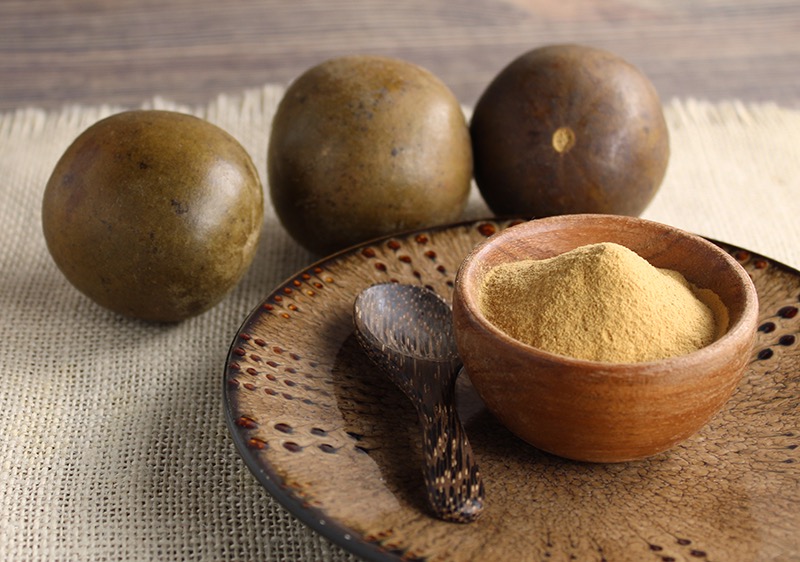
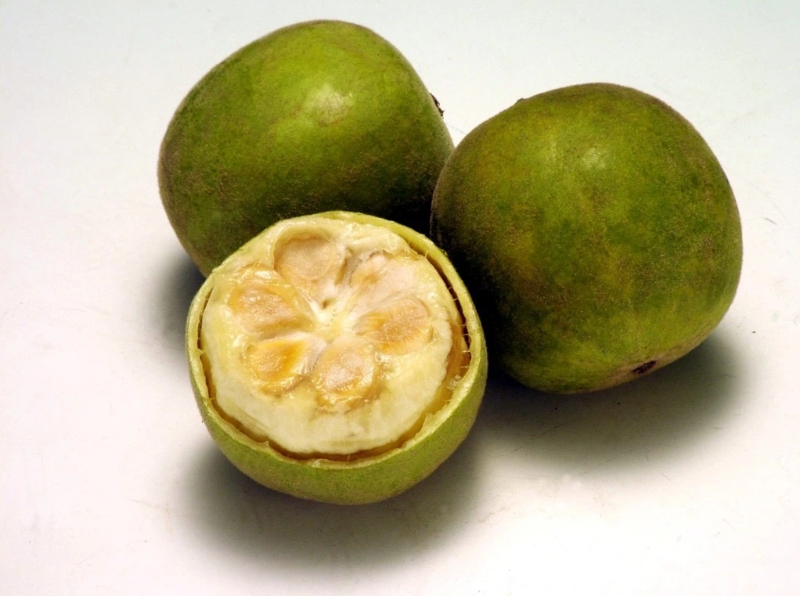
Monk fruit extract is derived from the fruit Siraitia grosvenorii, native to subtropical regions of Asia. The extract contains mogrosides—particularly mogroside V—that deliver intense sweetness with negligible calories. For product developers, monk fruit extract enables lower sugar formulations without compromising taste, texture, or mouthfeel. In many markets, it is used as a primary or secondary sweetener in beverages, baked goods, dairy alternatives, and dietary supplements.
- Mogroside content and purity: The potency and sensory profile depend on mogroside levels, with higher purity often delivering cleaner sweetness.
- Free from adulterants: Reliable suppliers provide rigorous testing for heavy metals, pesticide residues, microbial contaminants, and solubility characteristics.
- Consistency across batches: Repeatable performance in formulations is critical for overseas manufacturers scaling production.
- Stability and sensory profile: A stable sweetener with minimal bitterness or off-notes under varied processing conditions (pasteurization, extrusion, or baking) is essential.
- Competitive supply ecosystem: India hosts a broad base of extractors, processors, and blending specialists, enabling flexible pricing and capacity management.
- OEM/ODM capabilities: Many Indian suppliers offer private-label production, formulation support, and co-development services for blended sweeteners and dosage forms.
- Geographical advantages: Proximity to major Asian and European markets can reduce lead times and logistics complexity.
- Growing technical prowess: Indian manufacturers increasingly adopt standardized QA/QC frameworks, conforming to international expectations.
Overview of the Indian market for monk fruit extract
- Market maturity varies by region, but there is a trend toward higher-quality monofructose-free extracts with defined mogroside content and clear COAs for export customers.
- Certification emphasis: ISO, HACCP, GMP, and export-oriented documentation are common expectations for overseas buyers.
- Blending capabilities: Many suppliers can design blends with erythritol, xylitol, or stevia to achieve target sweetness, palate balance, and cost targets.
- Regulatory alignment: Indian suppliers commonly align with global regulatory requirements for food-grade, dietary supplement, and nutraceutical applications, facilitating cross-border commerce.
Highlights:
- Specialization in mogroside-rich extracts, with a range of product grades (for example MV25%, MV50%, and higher purity options).
- Strong emphasis on traceability, robust quality control, and documentation to support international customers.
Applications: Beverage formulations, dairy analogs, bakery and confectionery, and nutraceuticals.
Visual and application guidance: factory-scale equipment, QC labs, and application labs demonstrating formulation testing.
Why it matters to international manufacturers: reliable purity, defined sweetness profiles, and technical support for blended-sweetener development and OEM/ODM projects.
Highlights:
- Capability to provide private-label solutions, blended sweeteners, and tablet or capsule formulations incorporating monk fruit extract.
- Flexible packaging options and scalable production for overseas brands seeking private-label or co-branded products.
Visual and application guidance: sample packaging, private-label branding examples, and R&D labs.
Why it matters to international manufacturers: end-to-end development support, from concept to finished dosage forms or finished food products.
Highlights:
- Emphasis on cost-effective powder forms and powder blends suitable for beverages and foods.
- Access to a range of compatible carriers and anti-caking measures to ensure easy solubility and stable shelf life.
Visual and application guidance: packaging types (bulk bags, drums, consumer-ready pouches) and blending lines.
Why it matters to international manufacturers: strong value proposition for large-volume orders and diverse product formats.
Certifications and audits to verify with vendors
- GMP and HACCP
- ISO 9001 and ISO 22000
- Organic certifications where relevant (e.g., organic monk fruit if marketed as such)
- Kosher and Halal certifications for targeted consumer segments
Quality control processes
- Raw material traceability and supplier audits
- In-process monitoring: particle size, moisture content, solubility, and flavor profiling
- Final product testing: mogroside content, impurities, heavy metals, pesticide residues, microbial safety
Packaging, labeling, and shelf life
- Moisture barrier packaging and oxygen protection to maintain potency
- Clear labeling of mogroside content, sweetness equivalence (e.g., relative sweetness vs. sugar), and storage conditions
- Stability testing to ensure consistent performance across batches and climates
Extraction and purification
- Standardized processes to maximize mogroside content while minimizing unwanted flavors
- Techniques like solid-phase extraction and careful solvent management to achieve high-purity extracts
Blending and formulation
- Custom blends with other natural sweeteners to achieve target sweetness and mouthfeel
- Taste-modulation studies and sensory analysis to optimize product profiles
Tablet and dosage form production
- Capabilities to formulate monk fruit extract for compression into tablets or encapsulation for nutraceuticals
- Considerations for binders, disintegrants, and compression properties
R&D support
- Flavor masking, sweetness profiling, and pilot-scale testing
- Collaboration opportunities from concept to scaled production
Lead times and MOQs
- Transparent communication on minimum order quantities and production schedules
- Planning for seasonal fluctuations in fruit supply and raw material availability
Export documentation and regulatory dossiers
- COA, MSDS, and product specifications
- Certificates for regulatory compliance in target markets (FDA, EFSA, FSSAI as applicable)
Sustainability and responsible sourcing
- Practices around sustainable procurement, waste minimization, and energy efficiency
- Initiatives to reduce environmental footprint across extraction and drying processes
Evaluation criteria for potential partners
- Certifications, traceability, and QA protocols
- Capacity to support blended-sweetener development, OEM/ODM services, and scale-up
- Technical support, application labs, and willingness to co-develop
Collaboration models
- Private-label and white-label arrangements
- Co-branded product development and joint marketing initiatives
- Long-term supply agreements with tiered pricing and performance-based incentives
Due diligence checklist
- Confirm certifications, facility capabilities, and export readiness
- Request sample materials and COA with Mogroside content and purity data
- Review quality management systems, supplier audits, and recall procedures
- Assess after-sales technical support and regulatory assistance
India's ecosystem for monk fruit ingredients offers a compelling combination of technical capabilities, scalable private-label and OEM/ODM services, and robust quality systems. For international manufacturers seeking to expand low-sugar or zero-calorie product lines, partnering with reliable Monk Fruit Extract Manufacturers and Suppliers in India can provide consistent supply, customizable blends, and support across formulation development, dosage forms, and regulatory readiness. Emphasis on transparent QA, traceability, and collaborative product development will facilitate smoother market entry and sustained success in diverse markets.
Monk fruit extract is a natural zero-calorie sweetener produced by water-extracting and refining the mogrosides from the dried monk fruit, bypassing the pulp's bitterness.
Monk fruit extract is 150-200 times sweeter than sugar but without the calories and typically lacks the bitter aftertaste common to many other natural sweeteners.
Monk Fruit Extract manufacturers and suppliers in India typically require FSSAI license, ISO 22000 certification, and optionally USDA Organic or Non-GMO Project verification for market access.
Yes, monk fruit extract can be effectively used in tablet formulations and OEM/ODM projects as a stable, natural sweetener for custom dietary supplements and health products.
Overseas manufacturers should prioritize Indian suppliers with robust regulatory compliance (like FSSAI, USFDA, EU standards), proven extraction expertise for high mogroside content, and transparent supply chain documentation.
[1](https://www.openpr.com/news/4074964/monk-fruit-powder-manufacturing-plant-setup-complete-business)
[2](https://lakanto.in/pages/whats-monk-fruit)
[3](https://www.thepharmajournal.com/archives/2023/vol12issue6/PartAI/12-6-289-851.pdf)
[4](https://csirnews.niscpr.res.in/home/article/290)
[5](https://www.imarcgroup.com/monk-fruit-extract-manufacturing-plant-project-report)
[6](https://www.youtube.com/watch?v=X_xMj4Bai9E)
[7](https://monkfruitcorp.com/leadership-innovation/)
[8](https://www.instagram.com/reel/DJt8o6VIKW0/?hl=en)
[9](https://www.facebook.com/groups/PlantWealthofIndia/posts/24350245234611782/)
[10](https://www.reddit.com/r/foodscience/comments/1nlzpx4/need_advice_on_monk_fruit_sweetener_food/)


