
Views: 222 Author: Sara Publish Time: 2025-11-06 Origin: Site


Content Menu
● The South Korean Maltitol Market: Trends and Opportunities
● Maltitol: Properties and Applications
● Our Capabilities: Blended Sweeteners, Tablet Production, and OEM/ODM Services
● Technical Considerations: Production, Quality, and Regulatory Compliance
● Collaboration Opportunities: OEM/ODM and Blended Solutions
● FAQ
>> 1. What are the key applications of maltitol in food and beverage?
>> 2. How does maltitol interact with other sweeteners in blended formulations?
>> 3. What quality standards should maltitol suppliers meet for international customers?
>> 4. What are typical packaging options for maltitol exports?
>> 5. What factors influence lead times for maltitol ingredients?
The global demand for healthier, low-calorie sweeteners continues to rise, driven by consumer preferences for sugar-free and reduced-sugar products in food, beverage, and healthcare industries. Among the leading alternatives, maltitol stands out for its sugar-like taste, low glycemic impact, and functional versatility. South Korea has emerged as a key player in the maltitol market, with a growing number of manufacturers and suppliers catering to both domestic and international markets. As a China-based factory specializing in health-ingredient solutions, our expertise in natural sweeteners, functional polyols, and dietary fibers positions us as a strategic partner for overseas manufacturers seeking high-quality maltitol and blended-sweetener solutions.
Maltitol Manufacturers and Suppliers in South Korea are increasingly recognized for their innovation, quality control, and ability to meet the evolving needs of global food and beverage brands. This article explores the South Korean maltitol landscape, highlights the benefits of maltitol in various applications, and showcases how our factory's capabilities in blended-sweetener development, tablet production, and OEM/ODM services can support international partners in their product development and manufacturing goals.

South Korea's maltitol market is experiencing robust growth, fueled by rising health consciousness, regulatory support for sugar reduction, and the expansion of the functional food sector. The market size was valued at USD 0.2 billion in 2024 and is projected to reach USD 0.3 billion by 2033, growing at a steady compound annual growth rate (CAGR). This growth is mirrored globally, with the maltitol market expected to expand from USD 494 million in 2024 to over USD 660 million by 2034.
Key drivers of this growth include:
- Increasing demand for sugar substitutes in food and beverage applications, especially in confectionery, bakery, and dairy products.
- Expansion of the pharmaceutical and nutraceutical sectors, where maltitol is valued for its low-calorie profile and digestive benefits.
- Consumer preference for clean-label, natural ingredients and reduced-calorie formulations.
South Korea's manufacturers and suppliers are responding to these trends by investing in advanced production technologies, expanding product portfolios, and enhancing quality assurance systems. Leading companies are focusing on producing high-purity maltitol in various forms—powder, syrup, and granular—tailored to meet the specific requirements of different industries.
Maltitol is a polyol (sugar alcohol) derived from maltose, typically through hydrogenation. It offers several advantages over traditional sugars:
- Sweetness: Maltitol has about 90% of the sweetness of sucrose, making it an excellent sugar substitute in a wide range of products.
- Low Glycemic Impact: With a glycemic index of around 35, maltitol is suitable for diabetic-friendly and low-carbohydrate formulations.
- Functional Benefits: Maltitol provides bulk, texture, and mouthfeel similar to sugar, and it is non-cariogenic, making it ideal for sugar-free confectionery and oral care products.
- Digestive Tolerance: While maltitol is generally well-tolerated, excessive consumption may cause digestive discomfort in some individuals.
Common applications of maltitol include:
- Confectionery: Sugar-free chocolates, chewing gum, hard candies, and gummies.
- Bakery: Reduced-sugar cakes, cookies, and pastries.
- Dairy: Low-calorie yogurts, ice creams, and desserts.
- Beverages: Sugar-free soft drinks, flavored waters, and nutritional drinks.
- Pharmaceuticals: Chewable tablets, syrups, and oral suspensions.
Maltitol Manufacturers and Suppliers in South Korea are at the forefront of developing innovative maltitol-based solutions for these applications, leveraging their expertise in formulation, processing, and quality control.
As a China-based factory specializing in health-ingredient solutions, we offer a comprehensive range of services tailored to the needs of international manufacturers. Our core strengths include:
- Natural Sweeteners: We provide a wide selection of natural sweeteners, including stevia, erythritol, and monk fruit, which can be blended with maltitol to create customized sweetener solutions.
- Functional Polyols: In addition to maltitol, we offer other polyols such as xylitol, sorbitol, and erythritol, enabling formulators to achieve the desired sweetness, texture, and functional properties.
- Dietary Fibers: Our portfolio includes soluble and insoluble dietary fibers, which can be incorporated into maltitol-based products to enhance nutritional value and digestive health.
- Blended-Sweetener Development: We specialize in developing blended sweeteners that combine the benefits of different sweeteners and polyols, optimizing taste, texture, and cost-effectiveness.
- Tablet Production: Our state-of-the-art tablet production facilities enable us to manufacture high-quality tablets for confectionery, nutraceutical, and pharmaceutical applications.
- OEM/ODM Services: We offer end-to-end OEM/ODM services, from concept development and formulation to production, packaging, and regulatory compliance, ensuring that our partners can bring innovative products to market quickly and efficiently.
Our factory's commitment to quality, innovation, and customer service makes us a trusted partner for Maltitol Manufacturers and Suppliers seeking to expand their product offerings and reach new markets.
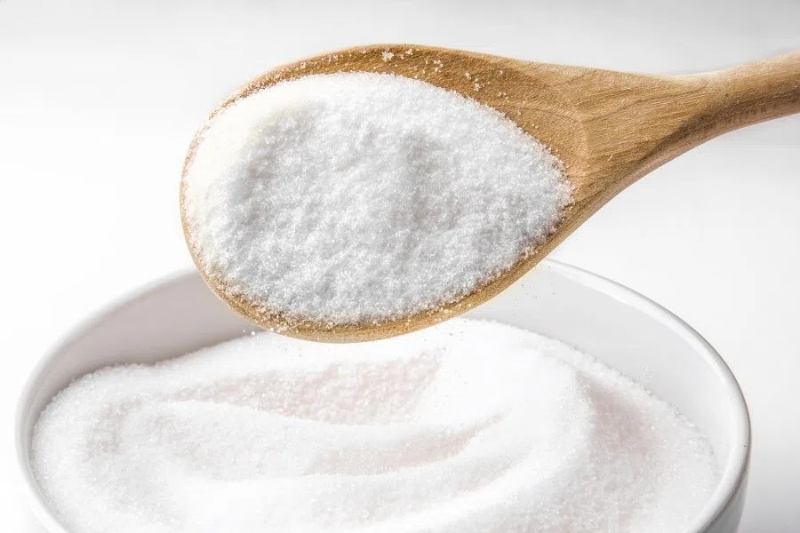
Producing high-quality maltitol requires advanced processing technologies and strict quality control measures. Key considerations include:
- Raw Material Sourcing: The quality of maltitol is directly influenced by the quality of the maltose used in its production. We source our raw materials from reputable suppliers and conduct rigorous testing to ensure purity and consistency.
- Processing: Maltitol is typically produced through hydrogenation of maltose, followed by crystallization and purification. Our facilities are equipped with modern hydrogenation reactors, crystallizers, and filtration systems to ensure optimal yield and purity.
- Quality Control: We adhere to international quality standards, including GMP, HACCP, and ISO certifications. Our quality control team conducts regular testing for purity, moisture content, particle size, and microbial contamination.
- Regulatory Compliance: We stay up-to-date with regulatory requirements in key markets, including labeling, allergen declarations, and export documentation. Our regulatory experts provide guidance and support to ensure compliance with local and international regulations.
By partnering with Maltitol Manufacturers and Suppliers who prioritize quality and compliance, international manufacturers can ensure the safety, efficacy, and marketability of their products.
Our OEM/ODM services are designed to support international manufacturers in their product development and manufacturing goals. We offer:
- Custom Formulation: Our R&D team works closely with clients to develop customized formulations that meet specific taste, texture, and functional requirements.
- Scale-Up and Production: We have the capacity to scale up production from pilot batches to full-scale manufacturing, ensuring consistent quality and timely delivery.
- Packaging and Labeling: We provide a range of packaging options, including bags, drums, and totes, and can customize labeling to meet regulatory requirements and branding needs.
- Regulatory Support: Our regulatory experts provide guidance on compliance with local and international regulations, including labeling, allergen declarations, and export documentation.
By leveraging our expertise in blended-sweetener development, tablet production, and OEM/ODM services, Maltitol Manufacturers and Suppliers can create innovative, high-quality products that meet the needs of today's health-conscious consumers.
South Korea's maltitol market is poised for continued growth, driven by increasing demand for sugar substitutes and the expansion of the functional food sector. As a China-based factory specializing in health-ingredient solutions, we are well-positioned to support international manufacturers in their product development and manufacturing goals. Our expertise in natural sweeteners, functional polyols, and dietary fibers, combined with our capabilities in blended-sweetener development, tablet production, and OEM/ODM services, makes us a trusted partner for Maltitol Manufacturers and Suppliers seeking to expand their product offerings and reach new markets. By prioritizing quality, innovation, and customer service, we help our partners bring innovative, high-quality products to market quickly and efficiently.
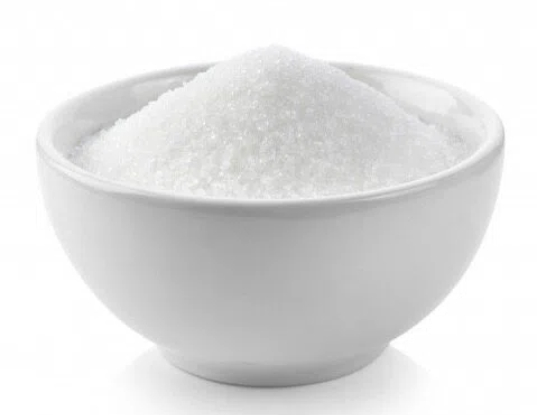
Maltitol is widely used in confectionery, bakery, dairy, beverages, and pharmaceuticals due to its sugar-like sweetness, low glycemic impact, and functional benefits. It is particularly popular in sugar-free and reduced-sugar products.
Maltitol can be blended with other sweeteners and polyols to balance sweetness profiles, improve texture, and reduce crystallization. Common blends include maltitol with stevia, erythritol, and xylitol, depending on the desired taste and functional properties.
Maltitol suppliers should adhere to international quality standards such as GMP, HACCP, and ISO certifications. They should also provide robust traceability and conduct regular testing for purity, moisture content, particle size, and microbial contamination.
Maltitol is typically packaged in bags, drums, and totes. Packaging options may vary depending on the form (powder, syrup, granular) and the specific requirements of the customer. Moisture protection and labeling compliance are important considerations.
Lead times for maltitol ingredients are influenced by raw material availability, production scheduling, regulatory clearances, and logistics. Close collaboration with suppliers can help optimize timelines and ensure timely delivery.
[1](https://market.us/report/maltitol-market/)
[2](https://www.futuremarketinsights.com/reports/maltitlol-market)
[3](https://www.linkedin.com/pulse/south-korea-maltitol-liquid-market-overview-key-6zlnc)
[4](https://www.linkedin.com/pulse/south-korea-maltitol-market-key-highlights-2026-size-future-y8xlf)
[5](https://www.industryresearch.biz/market-reports/maltitol-market-110710)
[6](https://www.fortunebusinessinsights.com/maltitol-market-109451)
[7](https://www.databridgemarketresearch.com/reports/asia-pacific-maltitol-in-chocolate-market)
[8](https://www.volza.com/p/maltitol/manufacturers/manufacturers-in-south-korea/)
[9](https://www.nextmsc.com/report/sugar-polyol-market-rc3635)
[10](https://www.persistencemarketresearch.com/market-research/maltitol-market.asp)


