
Views: 222 Author: Sara Publish Time: 2025-10-27 Origin: Site


Content Menu
● What is Isomaltulose and Why It Matters
● Swiss Landscape for Isomaltulose
● Key Players and Capabilities
● Applications Across Food, Beverage, and Healthcare
● Production and Quality Assurance Considerations
● Regulatory and Compliance Context
● Sustainability and Corporate Responsibility
● Innovation and Future Outlook
● Case Studies and Practical Guidelines
● Technical Notes for Formulators
● Future Collaboration Opportunities
● FAQ
>> 1. What defines isomaltulose, and why is it valued in Swiss product development?
>> 2. Which Swiss entities are recognized as top Isomaltulose Manufacturers and Suppliers?
>> 3. In what product categories is isomaltulose most commonly used in Switzerland?
>> 4. How is isomaltulose produced in a Swiss or nearby European context?
>> 5. What trends shape the Isomaltulose market in Europe and Switzerland?
Switzerland remains a benchmark for high-quality ingredient solutions in food, beverage, and health-oriented product development. For products centered on natural sweetness, functional polyols, and dietary fibers, Swiss manufacturers offer a compelling blend of advanced biotechnology, rigorous quality assurance, and close collaboration with global partners. This article surveys leading Isomaltulose Manufacturers and Suppliers in Switzerland, detailing capabilities, production philosophies, compliance frameworks, and the ways these suppliers enable international brands to innovate in clean-label and health-forward segments. The narrative emphasizes the integration of natural sweeteners like isomaltulose into finished goods, while highlighting practical considerations for OEM/ODM projects, contract manufacturing, and formulation development. It also discusses how Swiss suppliers position themselves in the global value chain, balancing sustainability, traceability, and reliability in supply.
Isomaltulose is a natural disaccharide composed of glucose and fructose with the same empirical formula as sucrose but a different structural linkage, which results in slower digestion and a lower glycemic response. This property makes it attractive for sports nutrition, diabetes-friendly formulations, and oral-care products where sugar-related tooth erosion is a concern. In addition to its metabolic profile, isomaltulose provides clean sweetness without the sharp peak-and-crash typical of refined sugars, enabling longer-lasting energy and better consumer perception in healthy product lines. Industry players position Isomaltulose Manufacturers and Suppliers as facilitators of healthier sweetness solutions that align with modern wellness trends and regulatory expectations in the European market and beyond.

Switzerland hosts a constellation of global ingredient majors, specialized distributors, and research collaborations that together support a robust isomaltulose supply. The Swiss ecosystem benefits from proximity to European regulatory ecosystems, strict food safety regimes, and a culture of quality-centric manufacturing. While some suppliers operate as direct producers, others focus on distribution, formulation services, and technical support for food and pharmaceutical customers. The common thread across Isomaltulose Manufacturers and Suppliers in Switzerland is a commitment to traceability, quality assurance, and technical service that helps brands optimize dosage, mouthfeel, and functional performance in complex product matrices.
- BENEO Switzerland: A leader in Palatinose® isomaltulose, BENEO combines deep process development with sustainability initiatives and comprehensive technical support for food, beverage, and dietary supplement applications. Their offering spans refined ingredient streams, technical documentation, and application labs to support formulators in achieving targeted glycemic responses and sustained energy release. This makes BENEO a cornerstone among Isomaltulose Manufacturers and Suppliers in Switzerland, frequently cited for quality, consistency, and regulatory alignment. The company's global reach and local presence enable efficient co-development and supply stability. The BENEO portfolio also emphasizes compatibility with other health-oriented ingredients, enabling clean-label formulation strategies for European and international markets.
- Multinational ingredient networks: Switzerland's role as a logistics and distribution hub means several global suppliers maintain regional offices or partnerships, ensuring consistent supply, regulatory clarity, and robust technical service for Isomaltulose Manufacturers and Suppliers in Switzerland. These networks support seamless integration into beverage formulations, confectionery, and nutraceutical products, with emphasis on quality audits, supplier qualification, and end-market compliance.
- Specialized contract manufacturers: Across Switzerland and neighboring regions, contract manufacturers with experience in carbohydrate chemistry and enzyme-driven isomerization offer OEM/ODM capabilities, enabling brand owners to bring isomaltulose-enriched products to market efficiently. These partners provide formulation support, process optimization, scale-up expertise, and batch-to-batch consistency, which are essential for regulated sectors such as pharmaceuticals and medical foods.
- Research partnerships: Swiss universities and industrial R&D centers frequently collaborate with industry players to optimize isomaltulose production, reduce energy consumption, and improve product stability. These collaborations underpin a continuous improvement ethos within Isomaltulose Manufacturers and Suppliers in Switzerland, driving better crystallization control, purity profiles, and solvent recovery strategies that contribute to sustainable manufacturing.
Isomaltulose is used in a broad range of products that benefit from its slow energy release and tooth-friendly profile. In Switzerland and the surrounding region, common application areas include:
- Sports nutrition and energy beverages: Isomaltulose supports sustained energy without rapid spikes, making it suitable for ready-to-drink bottles, gels, and powders aimed at endurance athletes and active consumers.
- Bakery and confectionery: Low-GI sweetness is advantageous in bread, cakes, biscuits, and dental-friendly candies, supporting healthier dessert options without sacrificing taste or texture.
- Dairy and dairy-alternative products: Isomaltulose can be incorporated into yogurt, smoothies, and plant-based beverages to smooth sweetness and improve mouthfeel.
- Pharmaceuticals and nutraceuticals: In controlled-release sugar systems and excipients, isomaltulose helps manage energy delivery in medical nutrition products and dietary supplements.
- Oral care products: Some formulations leverage isomaltulose's resistance to rapid fermentation by oral bacteria, aligning with dental-health-focused consumer segments.

Swiss producers emphasize end-to-end quality control, from raw material sourcing to final product testing. Typical practices include:
- Enzymatic or isomerization-based production routes that convert sucrose to isomaltulose with high selectivity and low by-products.
- Rigorous impurity profiling to ensure compliance with purity specs demanded by food, beverage, and pharmaceutical customers.
- Comprehensive microbiological testing and allergen controls to meet international standards and customer requirements.
- Sustainable manufacturing practices, including energy optimization, waste minimization, and transparent supply-chain traceability.
- Collaboration with third-party laboratories for independent verification of sugar composition, glycemic index characteristics, and stability under storage conditions.
These elements collectively position Isomaltulose Manufacturers and Suppliers in Switzerland as reliable partners for brands seeking consistent product performance, regulatory clarity, and resilient supply chains.
Isomaltulose is recognized as a generally safe ingredient for many markets. In Europe and North America, GRAS (Generally Recognized as Safe) notices and food additive approvals guide permissible uses, concentration ranges, and labeling requirements. Swiss suppliers frequently support customers with technical dossiers, safety assessments, and compliance documentation necessary for regulatory submissions, ingredient declarations, and allergen labeling. The local and regional regulatory environment motivates ongoing quality improvements and documentation practices that help manufacturers meet the evolving demands of global distributors and retailers.
Sustainability is a shared priority among Isomaltulose Manufacturers and Suppliers in Switzerland. Initiatives commonly focus on reducing energy intensity in production, responsibly sourcing raw materials, and ensuring ethical supply chains. Many Swiss suppliers pursue certifications such as ISO 22000 for food safety management, HACCP for hazard analysis, and ISO 14001 for environmental management. Transparent sustainability reporting and lifecycle assessments are increasingly integrated into supplier audits and customer-facing documentation, reinforcing trust with health-conscious brands and end consumers.
The Isomaltulose market continues to evolve with advances in enzyme technology, process intensification, and formulation science. Swiss suppliers actively explore:
- Improved yields and cost efficiencies through optimized biocatalysis and fermentation controls.
- Enhanced product stability in challenging matrices such as dairy-free beverages and plant-based foods.
- Synergistic ingredient blends combining isomaltulose with functional fibers, prebiotics, or essential micronutrients to meet demand for comprehensive health solutions.
- Packaging and logistics innovations to ensure product integrity across global distribution networks.
The Swiss innovation ecosystem positions Isomaltulose Manufacturers and Suppliers in Switzerland to respond rapidly to emerging health trends, regulatory changes, and consumer preferences for cleaner labels and better-tolerated energy sources.
- Co-development with beverage brands: A Swiss partner might collaborate with a global beverage company to formulate an isotonic or energy drink using isomaltulose as the primary sweetener, balancing sweetness perception with mouthfeel, color stability, and shelf-life considerations. Application trials, sensory evaluation, and stability testing are typical stages in such a project.
- Dental-friendly confectionery: Partnering with Swiss suppliers, confectionery developers optimize crystallization and texture while maintaining a low glycemic impact. This involves tailoring sugar release rates, particle size, and moisture management to achieve desired bite and melt-in-mouth characteristics.
- Clinical nutrition applications: In medical nutrition products, isomaltulose is selected to support energy delivery profiles during recovery or rehabilitation periods. Swiss contract manufacturers provide cGMP-compliant production and rigorous documentation to satisfy regulatory requirements for medical foods and dietary supplements.
- Dosage considerations: The optimal concentration of isomaltulose depends on product category, target sweetness profile, and regulatory labeling requirements. Formulators often balance sweetness intensity with carbohydrate load to achieve health goals without compromising flavor.
- Interaction with other ingredients: Isomaltulose's sweetness and caloric profile interact with flavors, acids, proteins, and fats in complex ways. Process parameters such as mixing temperature, pH, and storage conditions influence crystallinity, texture, and synergetic effects with functional ingredients.
- Shelf-life and stability: Isomaltulose is relatively stable under standard processing conditions, but formulators should verify crystallization tendencies, moisture migration, and potential Maillard reactions in high-protein or high-heat formulations.
For foreign manufacturers seeking to leverage Swiss expertise, potential collaboration avenues include:
- Joint development agreements to create healthier, lower-GI sweetened products for European markets and beyond.
- Co-manufacturing arrangements for private-label or OEM/ODM projects, ensuring quality, traceability, and regulatory compliance.
- Technical training and knowledge transfer programs with Swiss Isomaltulose Manufacturers and Suppliers to accelerate market entry and ensure sustained quality across product lines.
Switzerland offers a compelling hub for Isomaltulose Manufacturers and Suppliers, combining strong technical capabilities, rigorous quality assurance, and a supply chain resilient to global market fluctuations. The country's ecosystem supports the development of healthier sweetness solutions that meet growing demand from food, beverage, sports nutrition, and healthcare segments. By partnering with Swiss suppliers, brands can access high-quality isomaltulose, tailored formulation support, and transparent compliance documentation, enabling them to deliver products with authentic health benefits, consistent performance, and compelling consumer value.
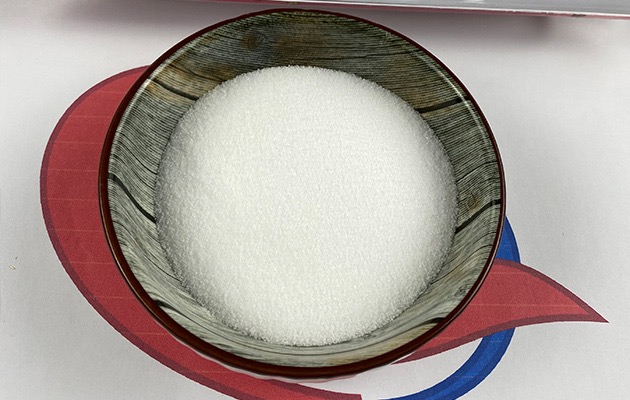
Isomaltulose is a naturally derived disaccharide that provides sustained energy with a low glycemic response and dental-friendly properties, making it a strategic choice for health-focused formulations.[9]
BENEO Switzerland is a premier name in Palatinose® isomaltulose, complemented by global ingredient networks and contract manufacturing partners operating in Switzerland to support OEM/ODM and formulation services.[10][9]
Applications include sports drinks, low-GI bakery and confectionery, dairy and plant-based beverages, medical nutrition, and oral care products as part of broader health-focused portfolios.[11]
Production typically employs enzymatic isomerization or biocatalytic routes starting from sucrose, with downstream purification and quality controls to ensure purity and consistency.[1][2]
Growth is driven by health-conscious consumer demand, functional nutrition trends, and regulatory frameworks that favor natural sweeteners with favorable glycemic profiles.[11]
[1](https://www.frontiersin.org/journals/microbiology/articles/10.3389/fmicb.2022.979079/full)
[2](https://pmc.ncbi.nlm.nih.gov/articles/PMC9399683/)
[3](https://pmc.ncbi.nlm.nih.gov/articles/PMC11048954/)
[4](https://www.sciencedirect.com/topics/agricultural-and-biological-sciences/isomalt)
[5](https://www.sciencedirect.com/science/article/pii/S0960308523001220)
[6](https://www.fda.gov/files/food/published/GRAS-Notice-000681---Isomaltulose.pdf)
[7](https://journals.asm.org/doi/10.1128/AEM.00181-08)
[8](https://patents.google.com/patent/CA2150740A1/en)
[9](https://www.frusano.com/en/nutrition/sugars-and-fructose/types-of-sugars/isomaltulose-palatinose.html)
[10](https://discovery.patsnap.com/topic/isomaltulose/)
[11](https://www.credenceresearch.com/report/isomaltulose-market)


