
Views: 222 Author: Sara Publish Time: 2025-12-03 Origin: Site


Content Menu
● What is Monkfruit Sweetener?
● How Sugar Alcohols Assist Blood Sugar Control
● Scientific Evidence on Monkfruit and Sugar Alcohols for Diabetics
● Metabolic and Digestive Considerations
● Regulatory Status and Market Availability
● Usage Guidance for Diabetics
● Potential Myths and Misconceptions
● Frequently Asked Questions (FAQ)
>> 1. Is monkfruit sweetener safe for all diabetics?
>> 2. Does monkfruit affect insulin levels?
>> 3. Can sugar alcohols cause digestive problems?
>> 4. How do I use monkfruit sweetener in cooking?
>> 5. Are there any long-term health benefits of monkfruit sweetener?
Diabetes management places high importance on controlling blood glucose levels, and choosing appropriate sweeteners is crucial for those affected by this metabolic condition. Monkfruit sweetener, often blended with sugar alcohols, has become a favored alternative for people with diabetes seeking sweetness without the harmful blood sugar spikes caused by regular sugar. This article examines the safety profile, benefits, and research-backed evidence supporting the use of monkfruit combined with sugar alcohols as a diabetic-friendly sweetener option.
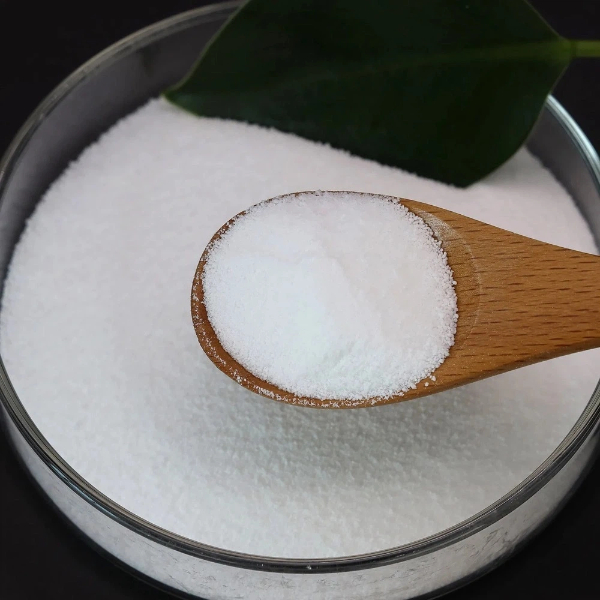
Monkfruit, or luo han guo, is a natural fruit native to Southern China known for its intense sweetness, derived mainly from compounds called mogrosides. These compounds provide sweetness hundreds of times stronger than sugar but contain no calories or carbohydrates, making monkfruit an excellent sugar substitute for people with diabetes. Monkfruit sweeteners are typically combined with sugar alcohols such as erythritol or xylitol to enhance taste, texture, and usability in various food and beverage applications.
Sugar alcohols are a group of carbohydrate derivatives that the body metabolizes differently than glucose. They provide sweetness but do not cause a sharp increase in blood sugar. Erythritol is especially popular for diabetics because it has nearly zero calories and does not raise blood glucose or insulin levels. Other sugar alcohols vary in glycemic impact, with some like maltitol having a moderate effect on blood sugar if consumed excessively. Combining monkfruit with low-glycemic sugar alcohols creates sweetener blends that are both natural and effective in supporting stable blood sugar levels.
Recent clinical research and randomized controlled trials provide promising evidence for the safety and efficacy of monkfruit sweetener in glucose management. A systematic review of clinical trials found that monkfruit extract reduced post-meal blood glucose levels by 10–18% and insulin responses by 12–22%, compared to sucrose consumption. Importantly, no severe adverse effects were reported among participants, though mild gastrointestinal discomfort occurred rarely. These findings suggest that monkfruit can serve as a functional sugar alternative that supports better glycemic control in people at risk for or living with diabetes.
Complementing these findings, studies on erythritol indicate it does not raise blood sugar or insulin levels, and it is generally well tolerated with minimal digestive side effects, particularly when consumed in moderate amounts. Research also points to possible additional health benefits of mogrosides in monkfruit, including antioxidant and anti-inflammatory effects, as well as potential improvement of insulin sensitivity and glucose metabolism in diabetic models. However, further long-term human trials are needed to confirm these benefits comprehensively.
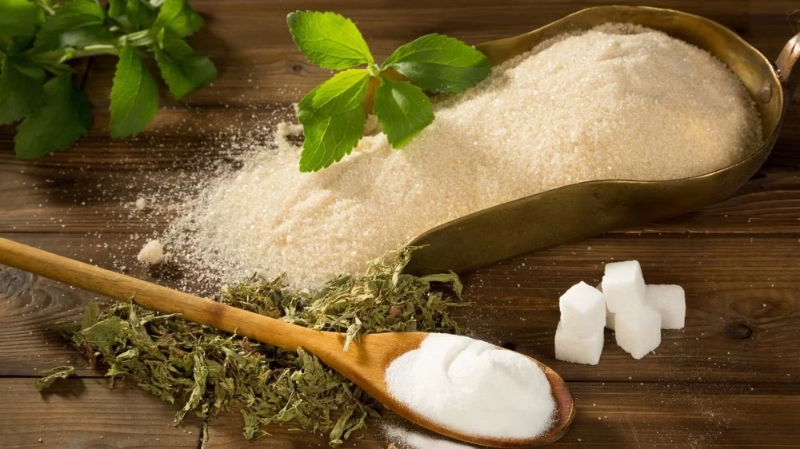
Using monkfruit paired with sugar alcohols offers the dual benefit of sweetness without calories or digestible carbohydrates, which is key for both blood sugar and weight management—two critical aspects of diabetes care. Nonetheless, some sugar alcohols can cause uncomfortable digestive symptoms like bloating, gas, or laxative effects if consumed in large amounts, although erythritol is less likely to cause such effects compared to other polyols. Consumers are encouraged to monitor their own tolerance and adjust intake accordingly.
Monkfruit sweetener and sugar alcohols like erythritol are approved by regulatory agencies such as the FDA and are generally recognized as safe (GRAS) for use. They appear in a wide range of commercial products marketed as sugar substitutes in diabetic-friendly food and beverage categories. Consumers should check product labels carefully to ensure the sweeteners they purchase contain pure monkfruit blends with low-glycemic sugar alcohols rather than sugar alcohols with higher glycemic indexes.
For those with diabetes or prediabetes considering monkfruit and sugar alcohol blends, starting with small amounts to assess digestive tolerance is advisable. These sweeteners can often replace sugar in recipes at a roughly 1:1 ratio, making them versatile for baking, beverages, and supplements. Importantly, anyone with insulin-dependent diabetes or complex health conditions should consult healthcare professionals before making significant dietary changes, as individual responses may vary.
There is some confusion around artificial versus natural sweeteners, but monkfruit sweetener is a natural extract and often preferred over synthetic options. While monkfruit by itself does not affect blood sugar, it is commonly combined with sugar alcohols, so the effects depend on the specific sugar alcohol used. It is also important to note that long-term effects of monkfruit on gut microbiota and chronic metabolic health remain areas for ongoing research, so balanced consumption is recommended.
Overall, monkfruit sweetener combined with sugar alcohols such as erythritol represents a safe, natural, low-calorie alternative for individuals with diabetes. Backed by clinical evidence, this sweetener blend supports effective blood glucose control without the sugar-related risks of insulin spikes or weight gain. While generally well tolerated, consumers should use these sweeteners responsibly and seek personalized medical advice when necessary. This combination offers a modern, functional food ingredient aligning with diabetes management goals and sugar reduction trends.
Yes, clinical evidence supports monkfruit sweetener combined with low-glycemic sugar alcohols as safe for both Type 1 and Type 2 diabetics, but individual consultation with healthcare providers is recommended.
No, monkfruit sweetener does not stimulate insulin release, which helps maintain stable blood glucose levels in diabetic consumers.
Some sugar alcohols may cause mild digestive discomfort if consumed in large amounts, but erythritol, commonly blended with monkfruit, usually has minimal gastrointestinal side effects.
Monkfruit blended with sugar alcohols can typically substitute sugar on a 1:1 basis in baking and cooking, making it a convenient natural sweetener.
Emerging research suggests potential antioxidant and anti-inflammatory benefits and improved insulin sensitivity, though more long-term human studies are needed to confirm these effects.
[1](https://pmc.ncbi.nlm.nih.gov/articles/PMC12073669/)
[2](https://www.foodandnutritionjournal.org/volume13number1/the-battle-of-natural-sweeteners-a-comprehensive-guide-to-monk-fruit-and-stevia/)
[3](https://pmc.ncbi.nlm.nih.gov/articles/PMC10495570/)
[4](https://www.healthline.com/nutrition/monk-fruit-sweetener)
[5](https://ific.org/wp-content/uploads/2025/06/IFIC-Monk-Fruit-Sweeteners-CPE-Self-Study-Activity.pdf)
[6](https://beyondtype1.org/monk-fruit-diabetes/)
[7](https://www.sciencedirect.com/science/article/abs/pii/S0195666323026223)
[8](https://www.droracle.ai/articles/154220/does-monk-fruit-affect-blood-glucose-levels)
[9](https://www.news-medical.net/news/20250227/Do-sugar-substitutes-really-help-New-research-reveals-their-impact-on-metabolism-and-gut-health.aspx)
[10](https://pubmed.ncbi.nlm.nih.gov/27956737/)


