


Content Menu
● History of Sucralose Discovery
● Sucralose: Chemical Structure and Properties
● Sucralose in Food and Beverage Applications
● Sucralose for Healthcare and Functional Foods
● Sucralose Safety and Regulatory Approval
● Sucralose vs. Other Sweeteners
● Manufacturing Sucralose Blends for Global Markets
● Sucralose in Modern Diets and Trends
● Challenges and Myths About Sucralose
● FAQ
>> 1. What is the main ingredient in Splenda?
>> 2. Is sucralose natural or artificial?
>> 3. Can sucralose be used in cooking?
>> 4. Is sucralose safe for diabetics?
>> 5. How does sucralose compare to sugar?
Sucralose serves as a zero-calorie artificial sweetener derived directly from sugar, delivering intense sweetness without any caloric contribution. Splenda stands as the leading brand synonymous with sucralose, propelling it into everyday use across households worldwide. This in-depth article delves into the intricate relationship between sucralose and Splenda, covering their origins, chemical makeup, applications in food, beverages, and healthcare, safety profiles, manufacturing processes, and future trends, with a strong emphasis on sucralose's pivotal role in health-focused solutions.
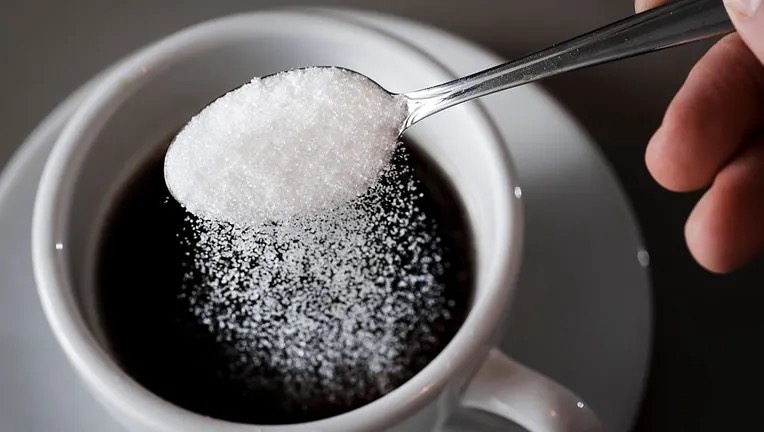
Sucralose emerged from a serendipitous moment in 1976 at Queen Elizabeth College in London, where researchers explored sugar derivatives for potential applications. A graduate student, mishearing "test this" as "taste this," sampled a chlorinated sucrose compound and noted its extraordinary sweetness—approximately 600 times that of regular sugar. This compound, sucralose, features three hydroxyl groups replaced by chlorine atoms, rendering it non-digestible and calorie-free while preserving a sugar-like taste profile.
The discovery sparked commercial interest, leading to a collaboration between British sugar giant Tate & Lyle and McNeil Nutritionals, a Johnson & Johnson subsidiary. After rigorous testing and regulatory hurdles, the FDA approved sucralose in 1998, paving the way for Splenda's market debut. Sucralose's thermal stability distinguished it from predecessors like aspartame, enabling use in cooking and baking. Over decades, sucralose has transformed global diets, appearing in countless products from diet sodas to pharmaceutical formulations, underscoring its versatility in reducing sugar intake without compromising flavor.[1][2][3][4]
This historical pivot not only popularized sucralose but also established Splenda as its flagship brand, with marketing campaigns highlighting that sucralose is "made from sugar so it tastes like sugar." Sucralose's journey from lab curiosity to pantry staple reflects innovation in sweetener technology, particularly relevant for factories specializing in sucralose blends for international OEM/ODM services.
At its core, sucralose (also known as E955 in the EU) is a chlorinated derivative of sucrose, where selective chlorination at positions 4, 6, and 1' creates a molecule resistant to enzymatic breakdown in the human gut. This modification ensures sucralose passes through the body largely unchanged, excreting about 85% in feces and 15% in urine, contributing zero calories. Sucralose's sweetness intensity—600 times that of sucrose—stems from its enhanced binding to sweet taste receptors, mimicking sugar's temporal profile without the bitter linger of some alternatives.
Sucralose exhibits remarkable stability across pH ranges (from 2 to 10) and temperatures up to 200°C, making it ideal for processed foods, beverages, and even high-heat baking. Unlike natural sweeteners like stevia, which can introduce herbal notes, sucralose delivers a clean, sucrose-like sweetness that blends seamlessly with flavors. In production, sucralose undergoes a multi-step synthesis involving protection, chlorination, and purification to achieve 99.5%+ purity, essential for food-grade applications.
For manufacturers in China focused on natural sweeteners, functional polyols, and dietary fibers, sucralose's properties enable innovative blends. Sucralose pairs excellently with erythritol or maltitol, creating balanced sweetness in sugar-free gums, while its solubility supports clear beverages. Sucralose's non-fermentability prevents issues in yogurts or oral care products, positioning it as a cornerstone for health-oriented OEM services.[3][5]
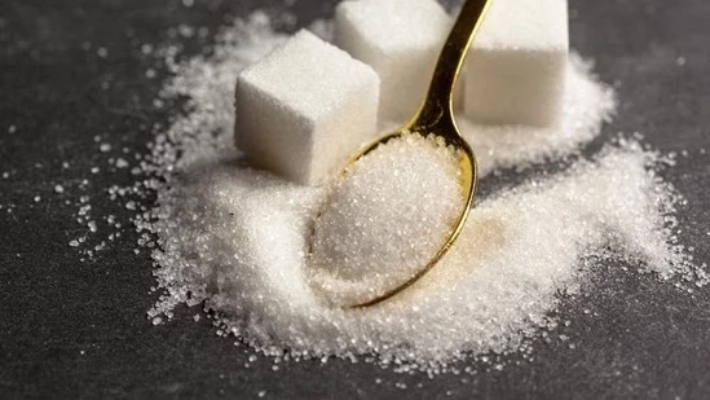
Splenda is not pure sucralose; rather, it is a formulated product containing roughly 1% sucralose by weight, bulked with maltodextrin or dextrose to provide volume for measuring and pouring convenience. Pure sucralose exists as a white, crystalline powder far too potent for direct consumer use—a teaspoon equates to about 40 pounds of sugar. This dilution strategy makes Splenda practical for home bakers and coffee sweetening, masking sucralose's intensity while maintaining its zero-calorie appeal.
Originally developed by McNeil, Splenda's branding emphasized its sucralose base, with the tagline "sucralose sweetener" prominently featured. Ownership shifted to Heartland Food Products Group in recent years, which expanded Splenda's portfolio to include stevia-based variants, yet the classic yellow packets remain sucralose-centric. Regulatory scrutiny in places like the UK questioned claims like "made from sugar," as chlorination renders sucralose artificial, though it originates from sucrose.
In industrial contexts, factories procure bulk sucralose for custom Splenda-like blends, integrating it with fibers for enhanced functionality. Sucralose's purity in these mixes ensures consistent performance, vital for exporters serving foreign manufacturers in tablets, powders, and ready-to-drink formats.[2][5][1]
Sucralose excels in beverages, where its stability preserves flavor over shelf life in carbonated drinks, juices, and sports beverages. Major brands like Coca-Cola Zero and Pepsi Max rely on sucralose to achieve sugar-like refreshment without calories, reducing overall sugar content by up to 100%. In alcoholic beverages, sucralose sweetens low-carb cocktails and hard seltzers, maintaining clarity and mouthfeel.
Baking represents another stronghold for sucralose, as it caramelizes minimally but withstands oven heat, enabling moist cakes and cookies indistinguishable from full-sugar versions. Confectionery applications leverage sucralose with polyols like xylitol for chewy candies and chocolates that resist crystallization. Dairy products, such as low-fat yogurts and ice creams, benefit from sucralose's synergy with fibers like inulin, boosting creaminess and prebiotic effects.
Chinese factories specializing in sucralose mixtures offer tailored OEM solutions, developing sucralose blends for global beverage giants. These include high-intensity sucralose formulations with natural flavors, meeting clean-label trends while ensuring microbial stability. Sucralose's role in functional drinks—infused with vitamins or electrolytes—supports health claims for hydration and energy without glycemic spikes.[6][3]
- Sucralose in soft drinks: Enhances perceived sweetness at low dosages (50-200 ppm).
- Sucralose in baked goods: Replaces 50-100% sugar without volume loss.
- Sucralose in snacks: Combines with fibers for fiber-enriched bars.
In healthcare, sucralose sweetens diabetic-friendly products, protein shakes, and meal replacements without elevating blood glucose, as confirmed by glycemic index studies showing zero impact. Medical applications extend to oral rehydration solutions, chewable vitamins, and enteral nutrition formulas, where sucralose ensures palatability for patients. Functional foods pair sucralose with dietary fibers like chicory root for gut-healthy snacks promoting satiety.
For polyol enthusiasts, sucralose offsets the cooling effect of erythritol or mannitol in lozenges and syrups, creating balanced tastes. Our expertise in China enables OEM/ODM for sucralose tablets, compressing it with binders for effervescent or sublingual delivery in pharma exports. Sucralose's approval by bodies like EFSA and China's NHC facilitates seamless integration into pediatric syrups and senior nutritionals.
Emerging trends see sucralose in personalized nutrition, blended with adaptogens for stress-relief beverages or nootropics for cognitive drinks, all calorie-controlled.[7][3][6]
Sucralose's safety rests on over 110 studies spanning toxicology, metabolism, and carcinogenicity, culminating in FDA approval as GRAS (Generally Recognized as Safe). The Joint FAO/WHO Expert Committee on Food Additives (JECFA) established an Acceptable Daily Intake (ADI) of 0-15 mg/kg body weight, equating to 23 packets of Splenda daily for a 70kg adult—far exceeding typical consumption.
Sucralose does not accumulate in the body, with rapid excretion preventing bioaccumulation. While high-dose rodent studies raised microbiome concerns, human trials at realistic doses affirm no adverse effects on gut flora or insulin response. Over 100 countries, including the EU, Japan, and Australia, approve sucralose, with ongoing reviews confirming its profile.
For manufacturers, sucralose's regulatory harmony simplifies exports, ensuring compliance in stringent markets.[5][3]
| Sweetener | Sweetness (vs. Sugar) | Calories per g | Heat Stable | Glycemic Index | Best Uses |
|---|---|---|---|---|---|
| Sucralose | 600x | 0 | Yes | 0 | Baking, beverages, pharma |
| Aspartame | 200x | 4 | No | Low | Cold drinks |
| Stevia | 200-300x | 0 | Partial | 0 | Teas, natural products |
| Erythritol | 0.6-0.8x | 0.2 | Yes | 1 | Chewing gum, keto foods |
| Monk Fruit | 150-250x | 0 | Yes | 0 | Premium blends |
Sucralose's broad utility and clean taste make it the go-to for complex formulations, often blended with others for optimal profiles.
Producing high-purity sucralose requires advanced GMP facilities, involving acetylation, chlorination, hydrolysis, and crystallization under controlled conditions. Chinese plants like ours scale sucralose output to tons daily, blending it with polyols and fibers for custom mixes. OEM services encompass granulation, tableting, and coating, delivering turnkey sucralose products for beverages and health bars.
Quality controls ensure sucralose meets USP/EP specs, with HPLC testing for impurities. Export-oriented lines incorporate sucralose into effervescent tablets or stick packs, supporting foreign brands' low-sugar lines. Sucralose's cost-effectiveness—despite synthesis complexity—drives its market leadership.[8][6]
Sucralose powers keto and low-carb lifestyles, sweetening everything from almond flour breads to sucralose-infused spirits. Clean-label movements favor sucralose hybrids with allulose or tagatose for maillard browning in baked goods. Market data projects sucralose growth at 5-7% CAGR, fueled by obesity and diabetes epidemics.
ODM factories innovate sucralose for plant-based milks and functional shots, aligning with wellness booms. Sucralose enables precise calorie control in apps tracking macros.[2]
Common myths portray sucralose as toxic, yet meta-analyses debunk links to cancer or migraines. Bulking agents in Splenda contribute trace carbs, not sucralose itself. Digestive sensitivities affect <1% of users, often dose-related.
Sucralose and Splenda intertwine as pioneers in zero-calorie sweetening, with Splenda amplifying sucralose's reach across industries. From beverages to healthcare tablets, sucralose delivers unparalleled versatility and safety, ideal for OEM/ODM partnerships. As demand surges for sugar reduction, sucralose remains indispensable for healthier global products.
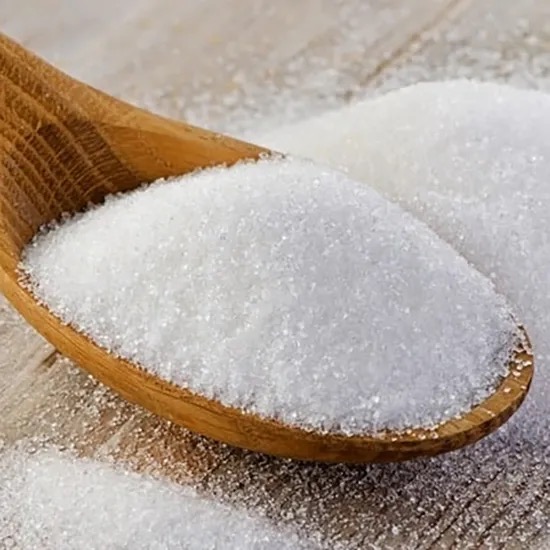
Splenda's primary sweetener is sucralose, comprising about 1% of the product, diluted with bulking agents like maltodextrin for practical use.
Sucralose is classified as artificial due to chlorination of sucrose, yet it offers a natural-tasting, zero-calorie profile approved worldwide.
Sucralose excels in cooking, remaining stable at high temperatures for baking, unlike heat-sensitive options like aspartame.
Sucralose carries no glycemic impact, making it a recommended choice for blood sugar management in diabetic diets.
Sucralose provides 600 times the sweetness of sugar with zero calories, non-fermentability, and full heat stability.
[1](https://www.splenda.com/about-splenda/)
[2](https://en.wikipedia.org/wiki/Splenda)
[3](https://en.wikipedia.org/wiki/Sucralose)
[4](https://www.splenda.com/timeline/)
[5](https://usrtk.org/sweeteners/sucralose-emerging-science-reveals-health-risks/)
[6](https://pdf.dfcfw.com/pdf/H3_AP202412131641289648_1.pdf)
[7](http://money.finance.sina.com.cn/corp/view/vCB_AllBulletinDetail.php?stockid=301206&id=7370608)
[8](https://www.caldic.com/zh-hans-cn/markets/food-beverage/beverage/)


