


Content Menu
● History and Approval of Sucralose
● Sucralose's Popularity in Food Industry
● Claimed Benefits of Sucralose
● Potential Health Risks of Sucralose
● Sucralose and Cancer Concerns
● Impact on Gut Health and Microbiome
● Sucralose, Diabetes, and Metabolic Effects
● Regulatory Stance on Sucralose Safety
● Sucralose in Daily Consumption
● Long-Term Studies on Sucralose
● FAQ
>> 1. Is Sucralose Safe for Daily Use?
>> 2. Does Sucralose Cause Cancer?
>> 3. Can Sucralose Affect Weight Loss?
>> 4. Is Sucralose Bad for Gut Health?
>> 5. What Are Sucralose Alternatives?
Sucralose ranks among the most popular artificial sweeteners worldwide, offering intense sweetness without calories. Commonly found in products like Splenda, sucralose appeals to people managing diabetes, weight, or calorie intake, yet ongoing debates question its safety profile.[1][2]
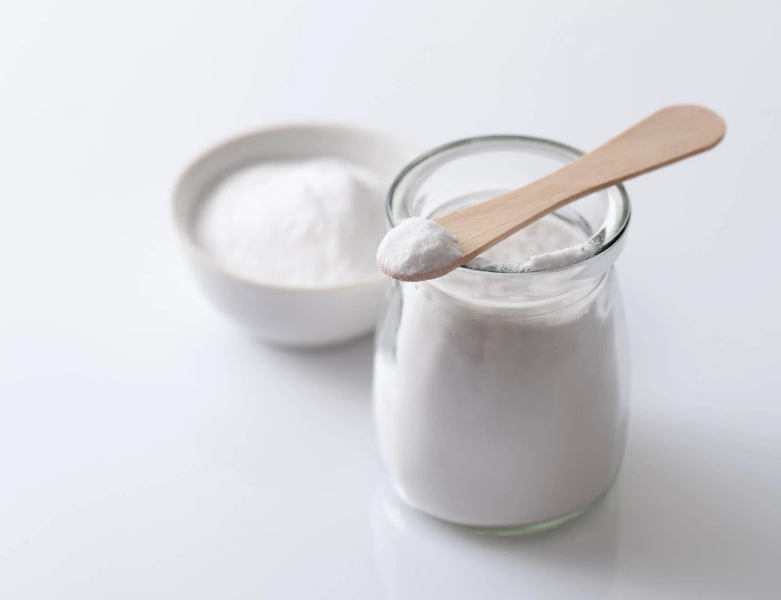
Sucralose originates from sucrose, or table sugar, modified through a chlorination process where three hydroxyl groups are replaced by chlorine atoms. This alteration makes sucralose approximately 600 times sweeter than sugar, while rendering it largely indigestible, so the body excretes most of it unchanged, contributing to its zero-calorie status. Sucralose exhibits remarkable stability in heat, acid, and alkaline conditions, making it suitable for cooking, baking, canned goods, and beverages where other sweeteners might degrade.[2][3][1]
In the food industry, particularly for factories specializing in natural sweeteners, functional polyols, and dietary fibers, sucralose serves as a key ingredient in mixed sweetener formulations. It integrates well with natural options like stevia or monk fruit, enhancing flavor profiles in OEM/ODM services for tablet production and custom blends aimed at overseas manufacturers in food, beverage, and healthcare sectors. Regulatory approval came from the FDA in 1998 following over 110 studies, establishing an acceptable daily intake (ADI) of 5 mg per kg of body weight, a threshold far above typical consumption levels.[3][4]
This chemical resilience positions sucralose as a staple in low-sugar products, from diet sodas to protein bars, helping consumers enjoy sweet tastes without the metabolic load of sugar.[1]
Sucralose's discovery traces back to 1976 in a British laboratory at Tate & Lyle, where a researcher accidentally tasted a chlorinated sugar compound after misreading a label. This serendipitous event launched two decades of research, culminating in approvals across major markets: FDA in 1998, followed by the European Union, WHO, and others. By the early 2000s, sucralose had permeated thousands of products, with global production now surpassing hundreds of thousands of tons annually, fueled by rising demand for sugar alternatives amid obesity and diabetes epidemics.[4][5][3]
Safety evaluations involved extensive animal and human trials, showing no evidence of carcinogenicity, neurotoxicity, or reproductive harm at doses up to 1,500 times the ADI. However, critics point to overlooked aspects like trace metabolites, such as sucralose-6-acetate, which recent studies have flagged for potential genotoxicity. In China, where factories like yours thrive in providing health solutions, sucralose enjoys approval for use in foods and beverages, supporting innovative blends with polyols and fibers for international clients.[6][7][1]
The sweetener's journey reflects a balance between innovation and scrutiny, with ongoing research refining its safety narrative.[8]
Sucralose's versatility drives its dominance in the food and beverage sectors, especially for health-oriented manufacturers offering natural sweeteners, polyols, and dietary fibers. It withstands high temperatures in baking and pasteurization, unlike aspartame, making it ideal for ready-to-eat meals, sauces, and functional drinks. In tablet production and OEM/ODM services, sucralose enables precise sweetness control in chewables, effervescents, and nutritional supplements tailored for global markets.[5][4]
Beverage formulators prize sucralose for its pH stability, ensuring uniform sweetness in acidic juices, energy drinks, and low-calorie sodas. For medical healthcare products, sucralose supports diabetic-friendly formulations without glycemic spikes, often blended with fibers to improve gut tolerance. Market trends show sucralose comprising a significant share of the high-intensity sweetener category, with annual growth tied to clean-label demands and sugar reduction initiatives worldwide.[7][2]
Its clean, sugar-like taste without bitterness enhances consumer acceptance, positioning sucralose as a go-to for factories delivering comprehensive health solutions.[3]
Sucralose offers dental health advantages, as it does not promote tooth decay like fermentable sugars, earning endorsement from dental associations. For diabetes management, clinical trials confirm minimal impact on blood glucose or insulin levels, allowing safer sweetening of foods. Weight control studies suggest sucralose aids calorie reduction, with users maintaining satisfaction without increased hunger in short-term interventions.[2][6][3]
In functional foods, sucralose pairs effectively with polyols like erythritol and dietary fibers such as inulin, creating synergistic blends for gut health and satiety in OEM products. Long-term human data up to two years show no adverse effects within ADI limits, supporting its role in sustained low-calorie diets. For manufacturers focused on natural sweeteners and health solutions, sucralose facilitates cost-effective, high-performance formulations for beverages and tablets.[4][7][3]
These benefits underscore sucralose's practical value in modern nutrition strategies.[1]
Recent research highlights sucralose's metabolite, sucralose-6-acetate, as genotoxic in human cells, potentially damaging DNA and raising cancer risks, according to North Carolina State University findings published in 2023. Sucralose exposure disrupts intestinal barriers, promoting "leaky gut" and inflammation linked to inflammatory bowel disease and liver inflammation. Gut microbiome studies reveal sucralose selectively kills beneficial bacteria like bifidobacteria, resembling antibiotic effects and altering microbial diversity essential for digestion and immunity.[6][2][1]
Human trials link sucralose to elevated insulin and blood glucose responses, challenging its diabetes-safe label and suggesting metabolic disruptions. Observational data from large cohorts associate frequent sucralose consumption via diet drinks with higher cardiovascular disease risks, including heart attacks and strokes. Thermal processing of sucralose can produce chloropropanols, compounds with toxic potential not present in unheated uses.[2][6][1]
These findings prompt reevaluation, particularly for chronic, high-dose consumers.[8]
The genotoxicity of sucralose-6-acetate, which forms in small amounts during digestion, causes double-strand DNA breaks in human blood cells, per Journal of Toxicology and Environmental Health. Animal studies from the Ramazzini Institute report increased lymphomas and leukemias in mice at doses comparable to heavy human intake, though regulatory bodies question dosing relevance. Sucralose activates gut genes associated with cancer pathways, amplifying concerns for long-term colorectal risks.[6][1]
While epidemiological human data remains limited, the WHO's 2023 classification of sucralose as safe faces pressure from emerging metabolite evidence. Chlorinated structure similarities to pesticides fuel bioaccumulation worries, with traces found in breast milk and tissues. Ongoing reviews by health agencies may adjust guidelines based on these developments.[8][2][6]
Multiple studies demonstrate sucralose reduces beneficial gut bacteria populations, including lactobacilli and bifidobacteria, while favoring harmful species, leading to dysbiosis. A 10-week human trial with 48 mg daily sucralose intake showed microbiome shifts and insulin resistance markers. Damage to tight junctions in the intestinal lining permits bacterial translocation, fostering systemic inflammation and conditions like IBS.[1][2][6]
For those using polyols and fibers in health products, sucralose's microbiome effects highlight the need for prebiotic pairings to mitigate disruptions. Recovery of gut flora post-cessation takes weeks, emphasizing moderation.[4][2]
Paradoxically, sucralose impairs glucose tolerance; a four-week study found blunted insulin responses, mimicking prediabetes. Microbiome-mediated mechanisms elevate post-meal blood sugar similarly to sucrose in some individuals. Meta-analyses link sucralose-sweetened beverages to 36-67% higher metabolic syndrome risks, including obesity and hypertension.[2][6][1]
Sweet taste receptor activation without calories may dysregulate appetite signals, promoting cravings and overeating. These effects vary by genetics and baseline health, urging personalized approaches.[3][6]
The FDA, EFSA, and JECFA maintain sucralose's safety based on pre-2020 data, but 2023-2025 studies on metabolites have sparked calls for updated toxicology. ADIs provide a safety margin exceeding average intakes of 1-2 mg/kg daily, yet vulnerable groups like children warrant caution. Global alignment persists, with China's standards mirroring international approvals for sucralose in health-focused products.[3][4][8][1]
Natural sweeteners like stevia, monk fruit, and allulose offer low-glycemic profiles without chlorinated concerns, blending seamlessly with polyols and fibers in OEM tablet services. Erythritol provides bulk and cooling, ideal for sugar-free confections. These options support clean-label trends for food, beverage, and healthcare manufacturers targeting global markets.[7][4]
Average daily sucralose intake hovers below 2 mg/kg, but ultra-processed food ubiquity risks exceedance in high consumers. Monitoring labels aids moderation, especially alongside natural sweeteners.[3]
While short-term trials affirm safety, chronic human data gaps persist, with animal genotoxicity and microbiome shifts dominating recent discourse. Lifetime rodent studies show no clear carcinogenicity at low doses, but metabolite focus continues.[6][1]
Sucralose provides valuable zero-calorie sweetness, regulatory backing, and versatility for food, beverage, and healthcare innovations, including mixed sweetener blends with polyols and fibers. Yet, evidence of DNA damage, gut dysbiosis, metabolic disruptions, and potential cancer links from sucralose and its metabolites necessitates caution and moderation. Health solution providers benefit from diversifying to natural alternatives, ensuring safe, evidence-driven OEM/ODM offerings for discerning global clients.[1][2][6]
Sucralose holds FDA approval with a robust ADI, but new data on gut, metabolic, and DNA effects recommends limiting exposure, particularly for children and diabetics.[1][3]
Sucralose-6-acetate's genotoxicity and animal leukemia associations raise flags, lacking definitive human evidence but warranting research monitoring.[6][1]
Microbiome alterations and insulin dysregulation may undermine benefits, potentially increasing cravings despite calorie savings.[2][6]
Sucralose induces dysbiosis, barrier damage, and probiotic loss, heightening inflammation risks.[2][1]
Stevia, erythritol, monk fruit, and allulose deliver natural sweetness, perfect for polyol-fiber blends in health OEM products.[7][4]
[1](https://www.healthline.com/health-news/sucralose-a-common-artificial-sweetener-may-increase-cancer-risk)
[2](https://draxe.com/nutrition/sucralose/)
[3](https://www.healthline.com/nutrition/sucralose-good-or-bad)
[4](https://pdf.dfcfw.com/pdf/H3_AP202412131641289648_1.pdf)
[5](https://www.cls.cn/detail/xk/625edc3b5b1c28a8dcd6c657)
[6](https://usrtk.org/sweeteners/sucralose-emerging-science-reveals-health-risks/)
[7](https://pdf.dfcfw.com/pdf/H3_AP202207141576131893_1.pdf)
[8](https://pmc.ncbi.nlm.nih.gov/articles/PMC10971371/)


