
Views: 222 Author: Sara Publish Time: 2025-12-07 Origin: Site


Content Menu
● Sucralose and Gut Microbiome Disruption
● Leaky Gut and Sucralose Risks
● Sucralose Side Effects on Digestion
● Metabolic and Liver Ties to Sucralose Gut Harm
● Sucralose vs. Natural Sweeteners
● Regulatory Views and Controversies
● Long-Term Sucralose Studies and Everyday Exposure
● Healthier Alternatives from China Factories
● FAQs
>> 1. Does sucralose upset the stomach?
>> 2. Is sucralose safe for gut health?
>> 3. Can sucralose cause leaky gut?
>> 4. Sucralose vs. sugar for stomach health?
>> 5. What natural alternatives replace sucralose?
Sucralose, a zero-calorie artificial sweetener 600 times sweeter than sugar, has surged in popularity for its role in diet sodas, gums, and low-sugar foods, but mounting evidence questions its safety for stomach and gut health. While regulatory bodies approve sucralose, recent human and animal studies reveal sucralose disrupts the gut microbiome, promotes inflammation, and contributes to leaky gut syndrome, potentially causing bloating, IBS-like symptoms, and metabolic issues. This comprehensive analysis examines sucralose's digestive impacts, drawing from clinical trials and research to determine if sucralose truly harms your stomach.[1][11][12]
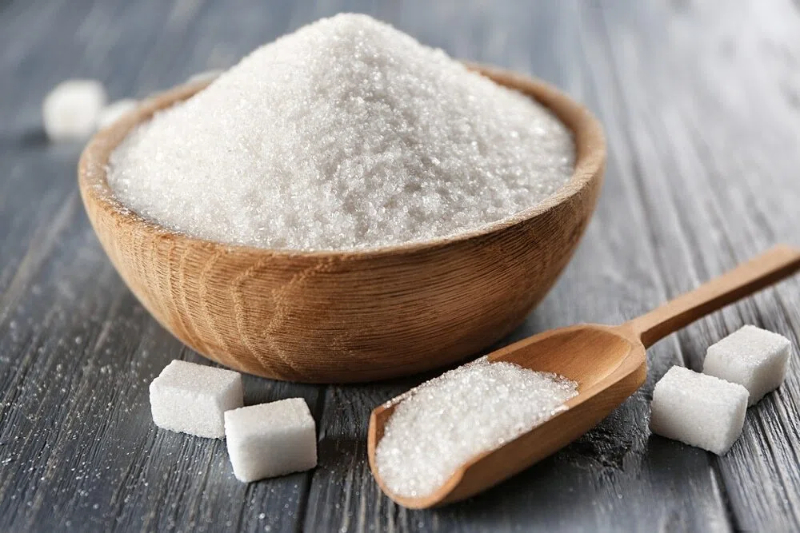
Sucralose derives from sucrose through chlorination, replacing three hydroxyl groups with chlorine atoms, making sucralose indigestible and calorie-free. Marketed as Splenda, sucralose withstands heat and acid, passing largely unchanged through the stomach into the intestines. This stability raises concerns: does sucralose irritate stomach linings or bind to gut cells? Factories in China, like ours specializing in natural sweeteners, functional polyols, and dietary fibers, provide safer alternatives via OEM/ODM services for food, beverage, and healthcare manufacturers.[11][12][13]
Over 90% of ingested sucralose reaches the colon intact, where gut bacteria encounter it. Early safety claims overlooked sucralose's potential to alter microbial ecosystems. Human trials now show sucralose consumption shifts bacterial phyla like Firmicutes and Bacteroidetes, unlike natural sugars.[2][1]
Sucralose profoundly alters the gut microbiome, reducing beneficial bacteria such as Lactobacillus acidophilus by up to 34% after just ten weeks of consumption. A clinical trial with healthy adults drinking sucralose-sweetened beverages reported a threefold increase in Blautia coccoides and decreased Lactobacillus, correlating with elevated glucose responses during oral glucose tolerance tests. This dysbiosis from sucralose links to digestive woes like bloating and irregular stools, as sucralose favors pro-inflammatory microbes over butyrate-producers.[6][1][2]
Mouse studies confirm low-dose sucralose (as low as 0.11 mg/kg human equivalent) boosts Firmicutes while slashing Bacteroidetes, mirroring obesity-associated shifts. Sucralose also elevates potential pathogens like Escherichia, Shigella, and Bilophila in fecal samples. These changes persist dose-dependently, with acceptable daily intake levels (T4 groups) showing equal harm to low doses (T1), challenging sucralose's safety profile.[7][2]
Long-term sucralose ingestion induces chronic low-grade inflammation by depleting bifidobacteria and boosting enterobacteria, heightening intestinal permeability. Rodent models exposed to sucralose exhibit reduced probiotic diversity, impaired short-chain fatty acid production, and heightened susceptibility to gut disorders.[3][6]
Sucralose compromises intestinal barrier integrity, fostering leaky gut where toxins breach the lining into the bloodstream. In vitro colon models demonstrate sucralose increases bacterial endotoxin translocation, unlike glucose. Lymphocyte aggregation in mouse ileum and colon after sucralose administration signals barrier damage, even at low concentrations down-regulating tight junction proteins like claudin-3.[2][11]
Rat studies link sucralose to colitis exacerbation, elevated D-lactic acid, and body weight gain via gut inflammation spillover. Sucralose-6-acetate, a metabolite, genotoxically damages DNA in gut cells, amplifying leaky gut risks and systemic inflammation. Human duodenal studies show sucralose elevates CCK and GLP-1 but disrupts overall barrier function long-term.[12][1][6]
Pregnant mice fed sucralose passed inflammation and butyrate deficits to offspring, suggesting intergenerational gut vulnerability. Sucralose's chlorine structure may scrape mucosal layers, worsening stomach sensitivity over time.[6][2]
Daily sucralose intake triggers bloating, gas, diarrhea, and IBS symptoms by inflaming the gut and altering motility. Participants in ten-week trials experienced higher serum insulin and glucose area-under-curve, tying sucralose to impaired carbohydrate metabolism via dysbiosis. Sucralose fools sweet taste receptors in the stomach, potentially disrupting hunger signals and leading to overeating strains.[13][1][12]
Sucralose promotes antibiotic resistance in E. coli strains within the gut, hindering recovery from dysbiosis. Six-month exposures in rats upregulated hepatic proinflammatory genes and metalloproteinases, with gut origins. Heated sucralose forms toxic chloropropanols, further irritating the stomach lining.[13][6]
Cedars-Sinai research highlights sucralose's shifts in small bowel microbiomes, distinct from controls, underscoring broader GI impacts. Sucralose-sweetened drinks raise endotoxins more than sugar in obese models, flipping "healthier" narratives.[10][14]
Sucralose's gut disruptions extend to metabolism, exacerbating NAFLD in high-fat diet mice by boosting hepatic triglycerides and lipid droplets. Plasma ALT/AST trends rise with sucralose atop HFD, signaling liver strain from gut-derived inflammation. Sucralose alters bile acid metabolism and induces ER stress, compounding stomach-to-liver axes.[5][6]
Obese rats on low-dose sucralose show Firmicutes/Bacteroidetes imbalances akin to metabolic syndrome. Human evidence links sucralose to insulin resistance via reduced Lactobacillus, impairing glucose handling. Chronic sucralose may elevate obesity/diabetes risks through persistent dysbiosis.[1][3][7]
Sucralose offers calorie savings but at gut health's expense, unlike stevia or monk fruit preserving microbial balance.
| Aspect | Sucralose | Natural Sweeteners (e.g., Stevia, Allulose) |
|---|---|---|
| Gut Microbiome | Increases Firmicutes, decreases Lactobacillus | Maintains diversity, boosts probiotics |
| Barrier Integrity | Induces leaky gut, lymphocyte aggregation | Supports tight junctions |
| Inflammation | Elevates cytokines, endotoxins | Anti-inflammatory fibers |
| Metabolic Effects | Raises glucose/insulin AUC | Stable glycemic response |
| Stomach Symptoms | Bloating, IBS risks | Minimal digestive upset |
Our China factory crafts sucralose-free blends with functional polyols and dietary fibers for OEM tablet production, aiding overseas clients in stomach-friendly formulations.[15]
FDA and WHO set sucralose ADI at 5-15 mg/kg, based on outdated rodent data ignoring microbiome effects. Recent calls urge reevaluation amid human dysbiosis findings. Critics note animal-human translation gaps, yet clinical shifts in Blautia and Lactobacillus demand scrutiny.[12][1][6]
Variability in dose, duration, and population (e.g., genetics, diet) complicates sucralose consensus. Crossover trials are needed for low vs. high sucralose impacts.[7][1]
Twelve-week Splenda trials reduce beneficial fecal microbiota, disrupting digestion chronically. Sucralose in diet drinks accumulates, heightening cumulative gut risks. Baking degrades sucralose into toxins, amplifying stomach irritation.[3][12]
Rat fibrosis from extended sucralose ties to gut-liver inflammation. Daily users monitor for poop changes, bloating persistence.[6]
China-based factories like ours lead in natural sweeteners, erythritol blends, and fiber-rich polyols as sucralose substitutes. These support microbiome health, blended sweetener development, and OEM/ODM for global manufacturers. Switch to allulose or stevia blends for IBS-free sweetness without sucralose downsides.[15]
Sucralose presents clear stomach risks via microbiome dysbiosis, leaky gut, inflammation, and metabolic disruptions, evidenced across human trials, mouse models, and mechanistic studies. While regulators maintain limits, emerging data urges caution, especially for sensitive guts. Opt for natural sweeteners from specialized China factories offering polyols, fibers, and custom OEM blends—safer paths to sweetness preserving digestive wellness.
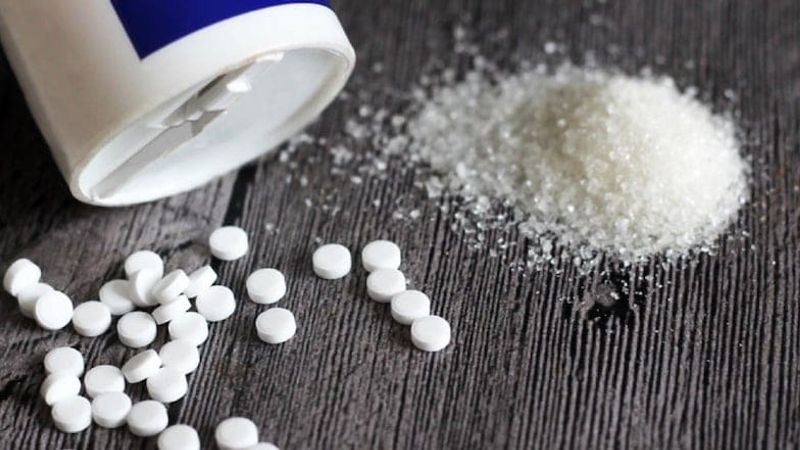
Sucralose often causes bloating, gas, and IBS symptoms by disrupting gut bacteria and motility. Ten-week human studies link sucralose to elevated glucose responses and Lactobacillus declines.[1][12]
No, sucralose induces dysbiosis, favoring pathogens like Escherichia while reducing probiotics, per clinical and animal research.[2][1][6]
Yes, sucralose damages barriers via lymphocyte aggregation and tight junction loss, increasing endotoxin leakage in models.[11][2]
Sucralose harms microbiomes more than sugar in trials, raising endotoxins despite zero calories.[14][1]
Polyols, stevia, and fibers from China OEM factories provide gut-friendly sweetness without sucralose risks.[12][15]
[1](https://pmc.ncbi.nlm.nih.gov/articles/PMC8880058/)
[2](https://www.frontiersin.org/journals/nutrition/articles/10.3389/fnut.2022.848392/full)
[3](https://pmc.ncbi.nlm.nih.gov/articles/PMC11250074/)
[4](https://www.frontiersin.org/journals/nutrition/articles/10.3389/fnut.2024.1387646/full)
[5](https://pmc.ncbi.nlm.nih.gov/articles/PMC9171434/)
[6](https://pmc.ncbi.nlm.nih.gov/articles/PMC10971371/)
[7](https://pmc.ncbi.nlm.nih.gov/articles/PMC9029443/)
[8](https://pmc.ncbi.nlm.nih.gov/articles/PMC6363527/)
[9](https://www.sciencedirect.com/science/article/pii/S2161831322001983)
[10](https://www.cedars-sinai.org/newsroom/research-alert-artificial-sweeteners-significantly-alter-the-small-bowel-microbiome/)
[11](https://kentscientific.com/new-research-with-mice-reveals-the-dangers-of-sweeteners/)
[12](https://draxe.com/nutrition/sucralose/)
[13](https://www.webmd.com/diet/what-to-know-about-sucralose)
[14](https://www.medicalnewstoday.com/articles/is-sucralose-healthiest-sugar-substitute-latest-research-gut-health)
[15](https://www.howtiangroup.cn/solutions-food)


