


Content Menu
● How Stevia Works in the Body
● Practical Applications in the Food and Healthcare Industries
● Regulatory Approvals and Guidelines
● Blended Formulations and Industrial Use
● FAQ
>> 1. Is stevia safe for daily consumption?
>> 2. How does stevia affect blood sugar levels?
>> 3. Are there any possible side effects of stevia?
>> 4. Can children and pregnant women use stevia?
>> 5. Is stevia effective for weight loss?
Stevia is a remarkable natural sweetener that has drawn widespread attention for its potential health benefits, applications, and safety profile, making it a frequent choice for food, beverage, and healthcare manufacturers worldwide. Below is an expanded, in-depth article that explores the most recent research and practical considerations, seamlessly integrating previous details with new scientific evidence and expert perspectives.[4][6]
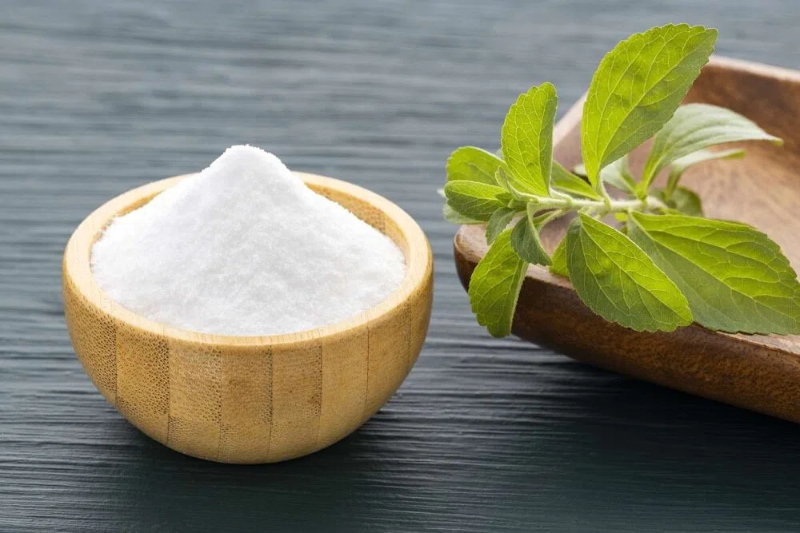
Stevia is a plant-derived, non-nutritive sweetener extracted from the leaves of Stevia rebaudiana Bertoni, a plant native to South America. As a sugar substitute, stevia is exceptionally sweet—pure stevia glycosides can be 200–300 times sweeter than table sugar, offering zero calories and carbohydrates. Today, it is found in a wide array of forms: powder, dried leaf, liquid, and as an ingredient in blended sweetener solutions and health products.[2][6][7]
Unlike sugar, stevia glycosides are not metabolized by the body to produce glucose; instead, they pass through the digestive tract and are eventually excreted, making them ideal for calorie and glycemic control. This means stevia offers sweetness without significantly impacting blood sugar or insulin response—ideal features for diabetics and those on calorie-restricted diets.[6][4]
Recent scientific reviews highlight stevia's benefits in several domains:
- Blood Sugar Regulation: Decades of research point to stevia's ability to reduce blood glucose levels. Meta-analyses and clinical studies confirm that people with higher BMI, diabetes, or hypertension may experience notable blood glucose reductions after 1–4 months of regular stevia intake, while insulin and HbA1C levels typically remain unaffected.[1][3][2][4]
- Blood Pressure Control: Human and animal studies indicate that high-purity stevia glycosides can modestly lower diastolic and systolic blood pressure, likely due to vasodilatory effects.[3][2]
- Weight Management: Stevia's no-calorie composition helps reduce total energy intake, making it easier for people to maintain or lose weight while still enjoying sweet flavors.[7][2][6]
- Antioxidant and Anti-inflammatory Properties: Stevia extracts contain compounds that can scavenge reactive oxygen species and reduce oxidative stress, and have shown anti-inflammatory action in cellular and animal models.[2]
- Oral Health: Unlike sucrose, stevia does not promote tooth decay and may help suppress the growth of decay-causing bacteria, making it a preferred sweetener in chewing gums and oral care products.[2]
- Potential Anti-cancer Effects: Early evidence suggests certain compounds in stevia may suppress the growth of cancer cells without harming normal cells, especially in laboratory settings, though this area still requires further research.[5][2]
Thanks to its excellent safety profile and sweetening power, stevia is widely used in:
- Diet beverages and zero-sugar sodas
- Tabletop sweetener powders and drops
- Sugar-free confectionery, chocolate, and gums
- Low-calorie baked goods and sauces
- Healthcare supplements, including tablets and sachets
Advanced manufacturers—including leading Chinese OEM/ODM facilities—routinely design stevia-based sweetener solutions for overseas clients. Blends combining stevia with functional polyols like erythritol are especially popular for improved texture, aftertaste masking, and tablet production scalability.
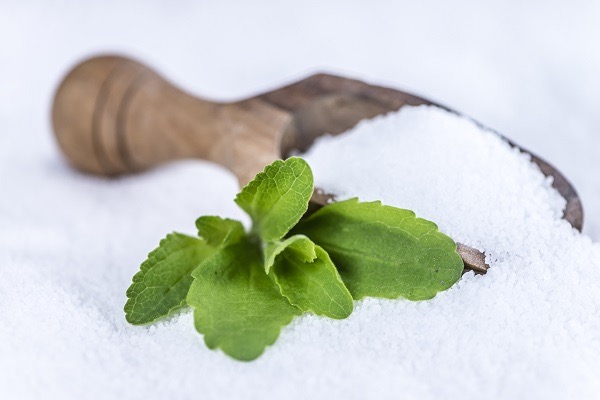
Stevia extracts approved for use in food are regarded as safe by regulatory authorities worldwide. However, some potential side effects have been noted:
- Digestive Discomfort: A minority of users report bloating or nausea, especially when consuming blends with polyols or higher doses.[11][12][6]
- Hypotension Risk: Because stevia may lower blood pressure, it should be used cautiously by individuals on antihypertensive medication or those prone to low blood pressure.[3]
- Rare Allergic Reactions: Rarely, individuals report allergic responses like skin rashes.[12]
- Gut Health: Evidence from animal and human studies suggests that, unlike some artificial sweeteners, stevia has little to no negative effect on gut bacteria when used at normal levels; some blends or excessive doses, however, may contribute to temporary microbial shifts.[10][12]
- Pregnancy and Children: Most authorities consider high-purity stevia extracts safe for all populations when consumed in moderation, though consumption by pregnant women and young children should preferably be overseen by healthcare providers.
Health and food authorities—including the FDA (United States), EFSA (European Union), and JECFA (global)—recognize highly purified stevia glycosides as safe, with established acceptable daily intake (ADI) levels. Only highly purified extracts are approved in major markets; crude stevia leaves and unpurified extracts are not permitted due to insufficient evidence on long-term safety.[6]
Blended sweeteners are increasingly favored by manufacturers seeking milder, sugar-like taste profiles and optimized processing for tablets or instant-dissolve powders. Leading Chinese manufacturers in the health-ingredients sector develop:
- Stevia–erythritol blends for tabletop and beverage-ready sweeteners
- Stevia–allulose and stevia–maltitol compositions for sugar-free foods and supplements
- Customizable formulas for OEM/ODM clients in Europe, North America, and Asia
Such products support food and beverage formulators in achieving superior sweetness profile, healthier label claims (e.g., "sugar-free," "no added sugars"), and enhanced product differentiation in competitive markets.
Stevia stands out as a safe, health-enhancing alternative to sugar and many artificial sweeteners. Supported by decades of research, it delivers glycemic benefits, blood pressure moderation, antioxidant support, and potential for weight management—all without calories or spikes in blood sugar. Leading health authorities approve its use in foods and healthcare products, although care should be taken by those with specific health conditions. As technology and formulation expertise advance, stevia solutions only become more popular and customizable for food and beverage innovations worldwide.[1][3][2][6]
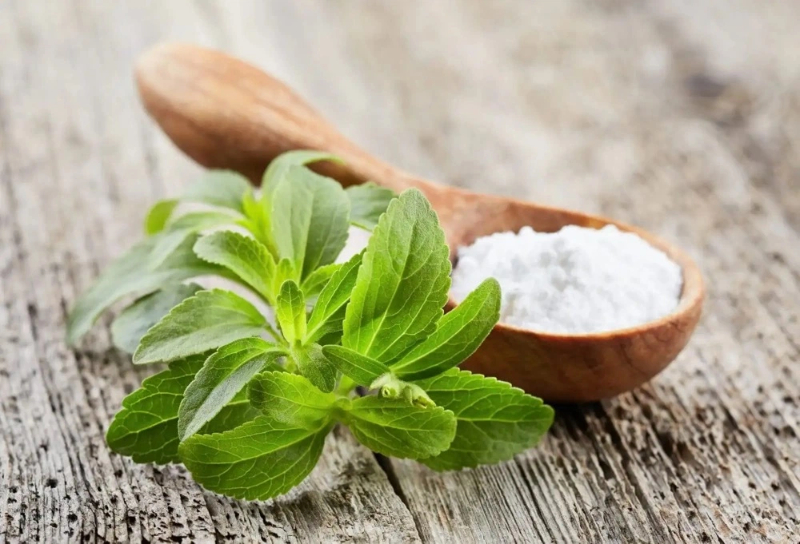
Yes, multiple international studies and regulatory reviews indicate that high-purity stevia extracts are safe for daily use by the general population when consumed within established limits.[3][6]
Stevia does not raise blood sugar and may help lower it in people with diabetes or hypertension, according to recent clinical studies and meta-analyses.[4][1][3][2]
Most people experience no side effects; however, some may have digestive discomfort, allergic reactions, or blood pressure impacts if sensitive or consuming blends in large amounts.[11][12][3]
High-purity stevia extracts are generally considered safe for these populations, but as with all low-calorie sweeteners, moderation and consultation with healthcare providers are recommended.[3][6]
Stevia's zero calories and lack of impact on blood sugar make it an attractive tool for reducing total energy intake and supporting weight loss goals as part of a balanced diet.[2][3][6]
[1](https://www.sciencedirect.com/science/article/abs/pii/S187140212400153X)
[2](https://pmc.ncbi.nlm.nih.gov/articles/PMC8600158/)
[3](https://www.health.com/stevia-benefits-8634412)
[4](https://www.medicalnewstoday.com/articles/287251)
[5](https://ecancer.org/en/news/26775-stevia-leaf-extract-has-potential-as-anticancer-treatment-researchers-find)
[6](https://www.webmd.com/food-recipes/what-is-stevia)
[7](https://pmc.ncbi.nlm.nih.gov/articles/PMC4890837/)
[8](https://www.sciencedirect.com/science/article/abs/pii/S0924224420304593)
[9](https://health.clevelandclinic.org/what-is-stevia)
[10](https://tellus.ars.usda.gov/stories/articles/natural-sweetener-stevia-makes-a-gutsy-comeback)
[11](https://www.verywellhealth.com/stevia-side-effects-6890614)
[12](https://www.medicinenet.com/what_are_the_negative_effects_of_stevia/article.htm)


