
Views: 222 Author: Sara Publish Time: 2025-12-09 Origin: Site


Content Menu
● Xylitol vs Saccharin: Key Differences
● Why Sweet'N Low Does Not Use Xylitol
● Health and Functional Benefits of Xylitol
● Xylitol in Food and Healthcare Manufacturing
● Environmental and Manufacturing Considerations
● FAQ
>> 1. Does Sweet'N Low contain xylitol?
>> 2. Is xylitol healthier than saccharin?
>> 3. Why is xylitol dangerous for dogs but safe for humans?
>> 4. Can xylitol completely replace sugar in recipes?
>> 5. What products typically use xylitol instead of saccharin?
Sweet'N Low is a well-known tabletop sweetener brand primarily made from saccharin, an artificial sweetener discovered in the 19th century. The packets usually include saccharin along with bulking agents like dextrose to aid in dosing and pouring. The product's sweetness comes entirely from saccharin, not from sugar alcohols such as xylitol.
Saccharin is approximately 300–400 times sweeter than table sugar, which means only tiny amounts are needed to achieve desired sweetness levels without adding calories. This concentrated sweetness and long shelf life have made saccharin a popular choice, especially in packet sweeteners aimed at calorie reduction.
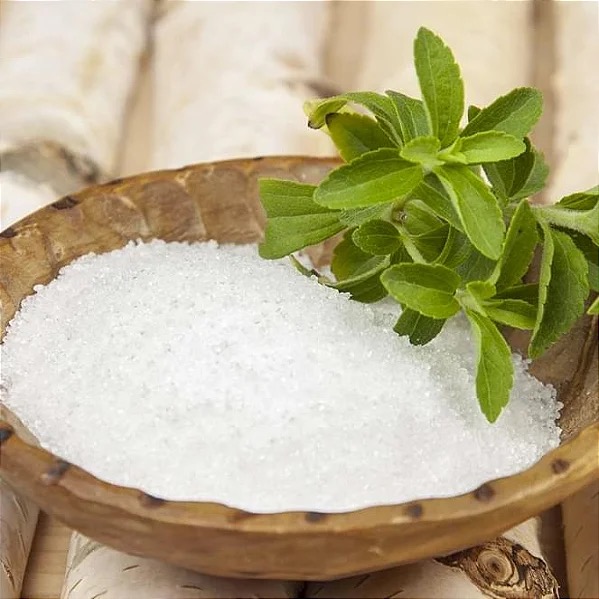
Xylitol is a sugar alcohol, naturally found in small amounts in fruits and vegetables, and produced commercially mainly from birch wood or corn. It delivers roughly the same sweetness as sugar but with about 40% fewer calories. Unlike saccharin, xylitol contains some calories (roughly 2.4 kcal per gram) and has a low glycemic index, which means it causes a slower and smaller increase in blood glucose.
Because of these properties, xylitol is favored in sugar-reduced foods. It provides bulk and sweetness similar to sugar and is particularly appreciated in oral-care products due to its ability to help reduce dental plaque and tooth decay.
Though both are sweeteners, xylitol and saccharin come from different chemical families and function differently in food products. Xylitol is a bulk sweetener with sweetness comparable to sucrose, while saccharin is a high-potency sweetener used in very small quantities.
Xylitol offers functional benefits such as acting as a humectant, adding texture and moisture retention, and lowering freezing points in certain formulations—properties saccharin lacks. Saccharin provides virtually zero calories and is preferred in products where intense sweetness in low volumes is needed, such as tabletop sweeteners and diet beverages.
| Feature | Xylitol | Saccharin |
|---|---|---|
| Chemical type | Sugar alcohol (polyol) | Synthetic non-nutritive sweetener |
| Sweetness vs sugar | Approximately equal to sucrose | 300–400 times sweeter than sucrose |
| Calories | About 2.4 kcal/gram (40% fewer than sugar) | Essentially zero calories |
| Glycemic impact | Low glycemic index (7–12) | No glycemic impact |
| Typical uses | Chewing gum, mints, oral care, reduced-sugar foods | Tabletop packets, diet drinks |
| Dental benefits | Supports dental health by reducing plaque | No specific dental benefits |
Sweet'N Low was developed with saccharin long before xylitol became commercially available as a sweetener. Saccharin's potent sweetness and economical cost per unit of sweetness make it ideal for sachet products. Its minimal required quantity means smaller packaging and lower production cost.
By contrast, xylitol, although natural and tooth-friendly, is more expensive and required in larger amounts due to its sugar-like sweetness level. Thus, for a brand emphasizing intense sweetness with zero calories and cost-efficiency, saccharin remains the preferred choice. Xylitol is commonly found instead in sugar-free gums, candies, lozenges, and oral-care products, where its functional benefits and dental advantages are valued.
Xylitol is widely recognized for its health benefits, particularly its positive impact on oral health. Regular use of xylitol can reduce dental plaque accumulation and inhibit the growth of bacteria that cause cavities. This is why many sugar-free chewing gums and oral-care products contain xylitol as a functional ingredient.
From a formulation perspective, xylitol offers several advantages:
- Its similar sweetness and bulk make it a practical sugar substitute.
- Acts as a humectant, providing moisture retention in baked goods and confectioneries.
- Imparts a cooling sensation in the mouth, enhancing sensory appeal.
- Has a low glycemic response making it attractive for sugar-reduced, diabetic-friendly products.
A critical consideration around xylitol use is pet safety, especially for dogs. Even small amounts of xylitol can cause severe hypoglycemia due to rapid insulin release in dogs, potentially leading to liver failure and death. This serious toxicity is why veterinary organizations heavily advise pet owners to keep xylitol-containing products—such as gums, candies, and baked goods—away from dogs.
Humans metabolize xylitol differently, and it is safe for human consumption within recommended amounts. However, pet owners must exercise caution, as dogs are uniquely sensitive to xylitol toxicity.
For food, beverage, and healthcare manufacturers, xylitol presents attractive opportunities for innovative product development. Consumer demand for natural origin, low-glycemic, and tooth-friendly sweeteners is growing, and xylitol fits well into these trends.
Manufacturers can leverage xylitol in:
- Custom-blended sweetener systems that combine xylitol with stevia, erythritol, or other polyols to optimize sweetness, cost, and digestive comfort.
- Functional tablets and lozenges benefiting from xylitol's compressibility and oral health benefits.
- Reduced-sugar bakery and confectionery products needing bulking sweeteners with sugar-like properties.
- Oral care and medical nutrition products aiming to reduce cariogenic sugar consumption.
Being a natural sugar alcohol with multiple health and functional benefits positions xylitol as a valuable ingredient in modern healthy food and supplement portfolios. This aligns well with OEM/ODM models offering tailored sweetener development and tablet production services.
Xylitol production is primarily based on renewable resources like birch and corn, which makes it a sustainable choice compared to some synthetic sweeteners. Its manufacturing process, however, is more complex and costly compared to saccharin synthesis.
Factories specializing in natural sweeteners, functional polyols, and dietary fibers can offer expertise in producing high-quality xylitol-based products. By focusing on blending, tablet formulation, and packaging customization, such manufacturers provide vital support for companies seeking to launch innovative xylitol-sweetened products in global markets.
Sweet'N Low does not contain xylitol; its sweetness derives from saccharin, an artificial, high-intensity, zero-calorie sweetener prized for cost efficiency and potency. Xylitol, a natural sugar alcohol, offers a different nutritional and functional profile, with sugar-like sweetness, dental benefits, and a low glycemic index, making it popular in sugar-free gums, candies, and oral-care products.
Xylitol must be used with care around pets, particularly dogs, due to its potential toxicity. For manufacturers, xylitol presents exciting opportunities for developing natural, healthy, and functional sweetener solutions that complement broader health and wellness trends.
No, Sweet'N Low is sweetened with saccharin and does not include xylitol. It uses saccharin's powerful sweetening without caloric addition.
Xylitol offers dental benefits and has a low glycemic impact but contains calories. Saccharin is calorie-free but doesn't provide dental benefits. They serve different roles in sweetening.
Xylitol causes rapid insulin release in dogs, leading to hypoglycemia and liver damage. Humans metabolize xylitol safely, though excessive intake can cause digestive issues.
Xylitol matches sugar's sweetness and bulk but may alter texture, browning, and moisture. Recipe adjustments might be needed, and large amounts can have a laxative effect.
Xylitol is common in sugar-free gums, mints, confectionery, lozenges, and oral care products where its dental benefits and natural profile are valued.


