


Content Menu
● Key Properties of Erythritol
● Application of Erythritol in Food and Beverages
>> Beverages
>> Tabletop Sweeteners and Sauces
● Erythritol in Mixed Sweetener Systems
● Manufacturing and Production
● Health Benefits of Erythritol
● Additional Functional and Formulation Advantages
● FAQ
>> 1. What is erythritol and where does it come from?
>> 2. Is erythritol safe for diabetics?
>> 3. Can erythritol be used in baking?
>> 4. How does erythritol compare to other sweeteners like stevia?
>> 5. Does erythritol cause digestive issues like other sugar alcohols?
Erythritol is a natural sugar alcohol widely used as a low-calorie sweetener, especially in the food, beverage, and healthcare industries. This article delves deep into the properties, applications, benefits, and production of erythritol, highlighting why it has become a preferred ingredient for manufacturers seeking healthy sweetening solutions. As a Chinese factory specializing in natural sweeteners, functional polyols, and dietary fibers, we provide expertise on erythritol's integration in mixed sweeteners, tablet production, and OEM/ODM services to international manufacturers.

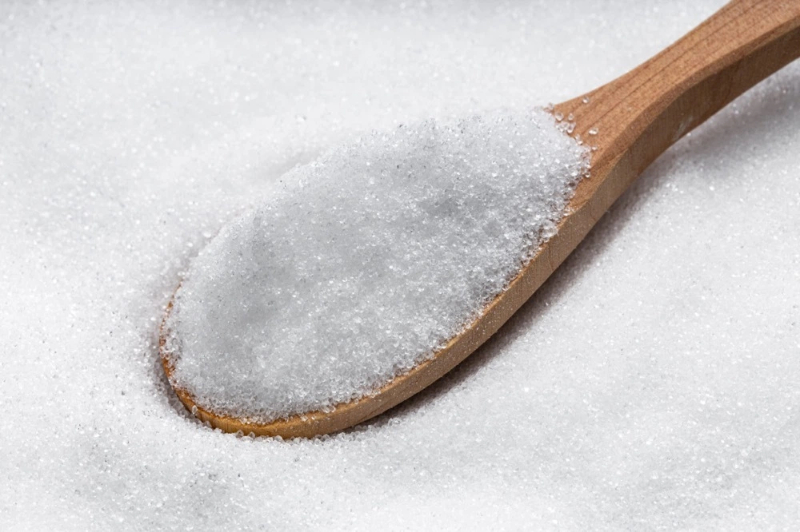
Erythritol is a sugar alcohol (polyol) with the chemical formula C4H10O4. It naturally occurs in fruits like melons, grapes, pears, and fermented foods and beverages such as wine and beer. Erythritol is a white crystalline powder with about 60-70% of the sweetness of sucrose (table sugar), a clean sweet taste with no bitter aftertaste, and a distinctive cooling sensation when dissolved in the mouth.
Erythritol has zero calories (about 0.2 kcal/g), does not raise blood sugar or insulin levels, and is largely excreted unmetabolized in urine. It is highly stable under heat and across a wide pH range, making it suitable for baking, freezing, acidic beverages, and other food products.
- Sweetness: Approximately 60-70% of sugar's sweetness
- Calories: Nearly zero (0.2 kcal/gram)
- Taste: Clean, with mild cooling effect, no bitter aftertaste
- Stability: Heat stable up to about 200°C and pH stable across a wide range. It does not participate in Maillard reactions, thereby preventing unwanted browning in food products.
- Solubility: Moderate solubility (37% at 25°C) which increases with temperature
- Crystallization: Tends to crystallize easily but resists moisture absorption, enhancing shelf life and texture in finished products
These attributes allow erythritol to maintain flavor, texture, and appearance with reduced sugar content and calories. It is often combined with other sweeteners to optimize sensory profile and functional properties.
Erythritol is extensively applied across various food and beverage categories as a natural, low-calorie sugar alternative that meets consumer demands for healthier products without compromising taste.
The beverage industry is a major user of erythritol due to the increasing consumer demand for low-calorie and sugar-free options. Erythritol contributes sweetness without adding calories and does not significantly change the product's original flavor. It works well in a variety of beverages:
- Diet sodas and soft drinks
- Flavored waters and energy drinks
- Fruit juices and smoothies
- Alcoholic beverages, where it can enhance the taste profile and reduce the sharpness of alcohol
Thanks to its cooling effect, erythritol gives beverages a refreshing mouthfeel. It also helps mask unpleasant flavors that might come from added functional ingredients such as collagen, vitamins, or plant extracts.
In bakery applications, erythritol is widely used as a sugar substitute in cakes, cookies, pastries, and bread. Its heat stability enables it to withstand baking temperatures without breaking down or producing off-flavors. Unlike sugar, erythritol does not participate in Maillard browning reactions, so it maintains the desired appearance and moisture balance of baked goods.
When used in combination with fibers or high-intensity sweeteners, erythritol improves texture, shelf life, and overall sensory experience by adding bulk and balancing sweetness. Erythritol also helps reduce calorie content, appealing to health-conscious consumers.
Sugar-free gums, candies, chocolates, and gummy products often use erythritol. Its crystalline form contributes to texture and bulk, while its sweetness replaces sugar. Erythritol's dental-friendly properties make it popular in confectionery since it is not fermented by oral bacteria, thereby reducing the risk of tooth decay.
Additionally, erythritol can enhance flavor release and provide a pleasant cooling sensation in candies, which adds to consumer enjoyment.
Erythritol is beneficial in frozen desserts like ice cream and sorbets, as well as low-sugar yogurts. Its low hygroscopicity (resistance to moisture absorption) helps maintain product stability and prevent ice crystallization in frozen goods, ensuring premium texture and shelf life.
In dairy, erythritol maintains sweetness and thickness without adding sugar calories, supporting the development of healthier options for consumers.
Pure erythritol crystals are used as tabletop sweeteners for direct use in coffee, tea, and cereals. Its physical similarity to sugar in texture and appearance makes it a popular choice for consumer use. It is also added to sauces, dressings, and syrups to reduce sugar content while preserving sweetness and product stability without altering viscosity.
Because erythritol's sweetness is lower than sugar, it is often blended with intense sweeteners such as stevia glycosides (Reb A, Reb C, Reb D), monk fruit extract, or sucralose. These combinations optimize sweetness, reduce unpleasant aftertastes, and restore the bulk and mouthfeel that pure high-intensity sweeteners cannot provide alone.
Such blends enable manufacturers to achieve sugar-like taste profiles with zero or minimal calories, an increasingly important trend in sugar reduction and clean-label product development.
The synergy between erythritol and these sweeteners also aids in product innovation, allowing tailored sensory and functional properties for different applications, including beverages, confectionery, and nutritional supplements.
Industrial production of erythritol is primarily conducted by fermenting glucose or cornstarch-derived sugars with specific yeast or fungi strains under controlled conditions. After fermentation, erythritol is purified and crystallized into a high-purity white powder.
Advanced manufacturing processes allow efficient production while maintaining product quality, purity, and safety. Due to its natural fermentation origin, erythritol aligns with the growing consumer preference for natural, non-artificial ingredients.
As specialists in natural sweeteners and functional ingredients, we also develop customized erythritol blends and formats, such as tablets and powders, tailored to meet specific customer needs, including OEM and ODM services for global manufacturers.
- Calorie Reduction: Erythritol contains almost no calories, making it ideal for weight management and low-calorie product development.
- Blood Sugar Friendly: It does not raise blood glucose or insulin levels, which makes it safe for people with diabetes and those concerned with glycemic control.
- Dental Health: Unlike sugar, erythritol is not fermentable by oral bacteria; it may help reduce caries risk and improve oral health.
- Digestive Tolerance: Erythritol is absorbed mostly in the small intestine and excreted unchanged in urine, unlike other polyols that ferment in the colon and cause gastrointestinal discomfort. This makes erythritol better tolerated in moderate to high amounts.
- Natural Origin and Clean Label: Derived from natural fermentation processes, erythritol appeals to consumers looking for natural sugar alternatives without artificial ingredients.
- Versatility: Erythritol's heat and pH stability allow it to be used in a wide range of products such as baked goods, frozen desserts, beverages, and supplements.
Erythritol also performs well with various food ingredients such as fibers, proteins, and acidulants. Its neutral pH and chemical inertness allow it to blend smoothly into formulations without impacting other functional components.
In tablet manufacturing, erythritol serves as a direct compressible excipient with excellent flow and binding properties. This feature is essential for producing sugar-free vitamin or mineral supplements with good taste and hardness.
The unique cooling effect of erythritol enhances flavor perception, which can make products taste fresher and more balanced. This property is particularly valued in mint, chewing gum, and oral hygiene products like toothpaste and mouthwash.
Our factory's expertise in functional polyols and dietary fibers enables us to develop innovative product formulations combining erythritol with additional health-promoting ingredients, meeting specific consumer and regulatory demands worldwide.
Erythritol offers a compelling blend of natural origin, excellent sensory attributes, and health benefits that make it a key ingredient in modern food, beverage, and healthcare product development. Its zero-calorie profile, coupled with safety for diabetic and low-sugar dietary needs, positions it as an essential polyol sweetener. Through our expertise in erythritol and functionally enhanced sweetener blends, tablet OEM/ODM production, and customized formulations, we help global manufacturers innovate healthy and tasty products that meet the demands of today's conscious consumers.

Erythritol is a natural sugar alcohol found in certain fruits and fermented foods. Industrially, it is produced by fermenting glucose using specific yeast or fungi strains.
Yes. Erythritol does not increase blood sugar or insulin levels, making it safe and suitable for people with diabetes or anyone monitoring blood glucose.
Absolutely. Due to its heat stability and sweet taste, erythritol is a popular sugar substitute in baked goods including cakes, cookies, and breads.
Erythritol provides bulk and mild sweetness similar to sugar, while stevia is much sweeter and used in smaller amounts. They are often combined to optimize taste, texture, and overall sensory profile.
Erythritol is absorbed primarily in the small intestine and excreted unchanged in urine. As a result, it causes fewer gastrointestinal side effects compared to other polyols such as sorbitol or maltitol.


