


Content Menu
● Uses and Benefits of Aspartame as a Sweetener
● Types of Sweeteners Containing Aspartame
● History and Development of Aspartame
● Safety and Consumption Considerations
● How Aspartame Sweeteners Are Used in the Food Industry
● Environmental and Economic Impact
● FAQ About Aspartame and Sweeteners
>> 1. What products commonly contain aspartame sweeteners?
>> 2. Is aspartame safe for people with diabetes?
>> 3. Can aspartame be used in baking and cooking?
>>> 4. Who should avoid aspartame?
>> 5. Does aspartame cause weight loss?
Aspartame is a widely used artificial sweetener found in many sugar-free and low-calorie foods and beverages. It is approximately 180 to 200 times sweeter than sucrose (table sugar) and is commonly included in products aimed at helping reduce sugar intake without sacrificing sweetness.
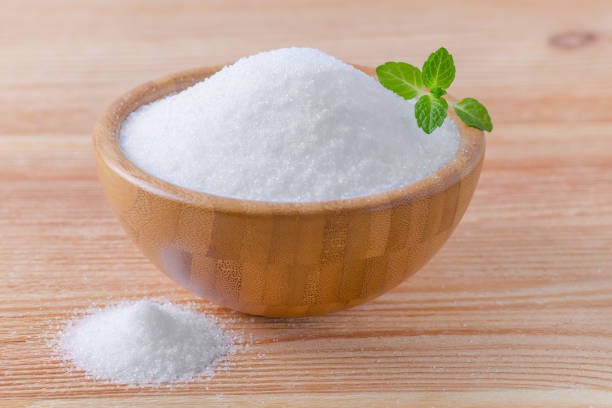
Aspartame is a non-nutritive sweetener composed of two amino acids, phenylalanine and aspartic acid. Because of its intense sweetness, only a tiny amount is needed to sweeten a product, which means it contributes negligible calories. Aspartame is popular in products such as diet sodas, sugar-free chewing gums, low-calorie yogurts, sugar-free desserts, and tabletop sweeteners. It is particularly favored by people looking to manage weight or control blood sugar levels, such as individuals with diabetes, since it does not spike glucose levels.[2][11]
Aspartame is integrated into many sweeteners that serve as substitutes for sugar. Its key benefits include:
- Providing sugar-like sweetness without the calories.
- Supporting weight management by reducing calorie intake.
- Suitability for diabetic-friendly products because it does not raise blood sugar.
- Its sweetness lasts longer than sucrose, sometimes blended with other sweeteners for a more sugar-like taste.
- Approved by regulatory agencies globally as safe when used within prescribed limits.[11][12][2]
Aspartame appears in blended sweeteners, often combined with other artificial or natural sweeteners to balance taste and reduce aftertaste. These blends may be marketed as "low-calorie sweeteners" or "sugar substitutes" and are widely used in:
- Diet sodas and other sugar-free beverages.
- Sugar-free candies and gums.
- Low-calorie dairy and dessert products.
- Tabletop sweetener packets or powders labeled as containing aspartame.[5][2]

Aspartame was accidentally discovered in 1965 by chemist James M. Schlatter while working for G.D. Searle & Company. Schlatter was originally synthesizing a compound for a potential anti-ulcer drug when he accidentally tasted the sweet compound by licking a contaminated finger. This serendipitous discovery led to extensive research into aspartame as a low-calorie sweetener.
The path to commercial approval was complex and contentious. The FDA first approved aspartame for dry foods in 1974. However, safety concerns and allegations of conflicts of interest delayed full acceptance for nearly a decade. Eventually, in 1981, aspartame was approved for commercial use in dry goods, and by 1983 approval extended to beverages, launching its widespread application in sodas under brand names like NutraSweet. Since then, aspartame has been authorized for use in over 100 countries worldwide.[1][4][2]
Aspartame is considered safe for the general population by major health authorities, including the FDA and the European Food Safety Authority, when consumed within recommended limits—approximately 40-50 mg per kilogram of body weight daily. However, people with the genetic condition phenylketonuria (PKU) must avoid aspartame due to its phenylalanine content, which they cannot metabolize properly.
Despite initial controversy over the quality of safety studies and concerns about potential adverse effects, extensive research has not shown convincing evidence linking aspartame to cancer or serious health problems when consumed appropriately. Nevertheless, ongoing reviews and monitoring continue to ensure its safety. Aspartame is less stable in high heat, limiting its use in cooking or baking but making it ideal for cold or room-temperature products.[6][8][5][11]
Aspartame is frequently used in combination with other sweeteners to improve taste profiles and overcome individual limitations. For example, aspartame's slightly bitter aftertaste at high concentrations is often masked by blending it with acesulfame potassium or sucralose. These blended sweeteners enable manufacturers to create sugar-free products that are closer in taste to sugar-sweetened versions.
Products commonly containing aspartame-based sweeteners include:
- Diet sodas and flavored waters
- Sugar-free chewing gum and breath mints
- Low-calorie flavored yogurts and puddings
- Sugar-free candies and gelatin desserts
- Tabletop sweeteners for coffee and tea
These products cater to consumers seeking calorie reduction, diabetic-friendly options, and healthier alternatives to traditional sweetened foods.[2][5]
Using aspartame and other artificial sweeteners helps reduce the demand for sugar, which can have environmental and economic benefits. Large-scale sugar cultivation often involves substantial land, water, and pesticide use. By providing intense sweetness with minimal quantities, aspartame supports lower calorie and sugar intakes while potentially lessening the environmental footprint associated with sugar production. This wider shift toward alternative sweeteners is increasingly relevant in food and beverage industries targeting sustainability.[9][11]
Aspartame is a widely applied artificial sweetener valued for its ability to provide intense sweetness without calories or blood sugar impact. Discovered accidentally in 1965, it overcame regulatory and safety hurdles to become a staple ingredient in many sugar-free and low-calorie products globally. While safe for most consumers, individuals with phenylketonuria must avoid it. Aspartame is typically found in blends with other sweeteners to optimize taste and stability, helping reduce sugar consumption for weight and diabetes management. Its role in sweetener technology continues to be important in modern health-conscious food and beverage manufacturing.

Aspartame is found in diet sodas, sugar-free chewing gums, low-calorie yogurts, sugar-free desserts, and tabletop sweeteners.
Yes, aspartame does not raise blood sugar and is considered safe for diabetic consumption.
Aspartame is less heat stable, so it is generally not recommended for high-heat cooking or baking but is often blended with other heat-stable sweeteners.
People with phenylketonuria (PKU) should avoid aspartame because it contains phenylalanine.
Aspartame helps reduce calorie intake but is not a drug and does not directly cause weight loss. It is a useful tool as part of a balanced diet and lifestyle.
[1](https://aspartame.org/history-controversy/)
[2](https://en.wikipedia.org/wiki/Aspartame)
[3](https://drinkperfy.com/blogs/all/a-brief-history-of-aspartame)
[4](https://www.linkedin.com/pulse/how-aspartame-became-legal-timeline-richard-col%C3%B3n-jr)
[5](https://pmc.ncbi.nlm.nih.gov/articles/PMC8227014/)
[6](https://en.wikipedia.org/wiki/Aspartame_controversy)
[7](https://www.fda.gov/food/food-additives-petitions/timeline-selected-fda-activities-and-significant-events-addressing-aspartame)
[8](https://www.fda.gov/food/food-additives-petitions/aspartame-and-other-sweeteners-food)
[9](https://pmc.ncbi.nlm.nih.gov/articles/PMC8497813/)
[10](https://yuka.io/en/aspartame-investigation/)
[11](https://www.uab.edu/news/news-you-can-use/balancing-sweetness-understanding-aspartame-and-its-role-in-reducing-sugar-intake)
[12](https://caloriecontrol.org/aspartame/)


