


Content Menu
● Sucralose in Food Applications
● Sucralose in Healthcare and Nutrition
● Safety Profile and Regulations
● Sucralose vs. Other Sweeteners
● Industrial Applications for Manufacturers
● FAQ
>> 1. What is Sucralose made from?
>> 2. Is Sucralose safe for daily consumption?
>> 3. Can Sucralose be used in cooking and baking?
>> 4. Does Sucralose impact blood sugar levels?
>> 5. How can manufacturers source Sucralose blends?
Sucralose is a zero-calorie artificial sweetener derived from sucrose, renowned for its intense sweetness and exceptional stability in various applications. This comprehensive article explores the intricate composition of Sucralose, its production processes, wide-ranging uses in food, beverages, and healthcare, safety profile, comparisons with other sweeteners, and its value for manufacturers seeking OEM/ODM solutions.
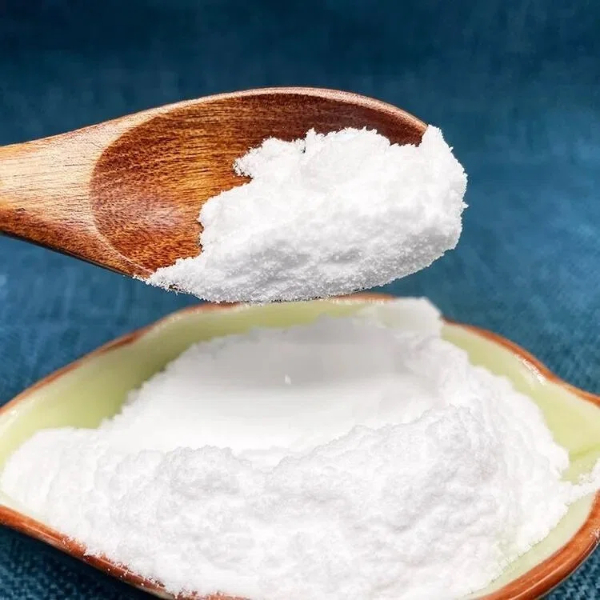
Sucralose is chemically engineered from sucrose, the disaccharide commonly known as table sugar, through a precise chlorination process. In this transformation, three hydroxyl (-OH) groups in the sucrose molecule are selectively replaced by chlorine atoms, resulting in the formula C₁₂H₁₉Cl₃O₈. This modification renders Sucralose approximately 600 times sweeter than sucrose while rendering it virtually non-caloric, as the body does not metabolize it effectively. The chlorine atoms enhance Sucralose's resistance to hydrolysis and enzymatic breakdown, ensuring it passes through the digestive system largely unchanged, with about 85-95% excreted in feces.[1][2][3]
Commercially, pure Sucralose exists as a white, odorless, crystalline powder with high solubility in water (up to 280 g/L at 20°C), making it versatile for liquid and solid formulations. Products like Splenda contain only about 1% Sucralose, bulked up with carriers such as dextrose and maltodextrin to provide volume and texture similar to sugar. This blending strategy allows Sucralose to mimic sucrose's functionality in recipes without altering sensory profiles significantly. Sucralose's purity standards exceed 98% for food-grade use, with stringent testing for impurities like heavy metals or residual solvents, aligning with pharmacopeial monographs.[4]
The organochlorine structure of Sucralose, while synthetic, distinguishes it from toxic chlorinated compounds due to its specific molecular configuration, which has been rigorously evaluated for safety. This composition enables Sucralose to deliver a clean, sucrose-like taste with minimal bitterness, even at high concentrations, outperforming many other high-intensity sweeteners.[2]
The manufacturing of Sucralose begins with high-purity sucrose sourced from cane or beet, undergoing a multi-step patented process originally developed by Tate & Lyle and Queen Elizabeth College researchers. The core reaction involves selective chlorination at the 4-, 6-, and 1'-positions of sucrose, achieved through acetylation to protect certain hydroxyl groups, followed by chlorination with thionyl chloride or similar agents, and subsequent deacetylation and purification. This yields Sucralose in high purity after crystallization, filtration, and drying, with yields optimized to over 90% in modern facilities.[3][1]
Chinese factories, leaders in Sucralose production capacity, scale this process industrially, often integrating continuous flow reactors for efficiency. These facilities excel in downstream processing, including spray-drying for powdered Sucralose and granulation for direct-compression tablets. Quality assurance involves high-performance liquid chromatography (HPLC) for assaying Sucralose content, gas chromatography for solvents, and microbial testing, ensuring compliance with Codex Alimentarius standards (E955). Innovations include enzymatic chlorination methods to reduce chemical waste, aligning with green manufacturing for sustainable Sucralose supply.[5][6]
For OEM/ODM services, producers customize Sucralose blends with natural sweeteners like stevia glycosides or monk fruit extract, functional polyols such as erythritol or maltitol, and dietary fibers like inulin or resistant starch. These hybrid formulations enhance mouthfeel, reduce aftertaste, and support clean-label claims, catering to global manufacturers in food, beverage, and healthcare sectors.[5]
Sucralose's thermal stability up to 250°C makes it ideal for baked goods, where it retains sweetness without degradation, unlike aspartame. In cookies, cakes, muffins, and breads, Sucralose can replace 50-100% of sugar when combined with bulking agents, yielding tender textures and browning via Maillard reactions from other ingredients. Confectionery applications include sugar-free chocolates, hard candies, and chewing gums, where Sucralose inhibits crystallization and provides long-lasting sweetness without promoting dental caries.[7][1][2][4]
Dairy products leverage Sucralose for low-calorie yogurts, ice creams, and puddings, dissolving evenly to ensure uniform sweetness in emulsions. In acidic condiments like ketchup, BBQ sauces, and fruit preserves, Sucralose withstands pH levels as low as 3.0, maintaining flavor stability over shelf life. Savory snacks, such as flavored popcorn or extruded chips, incorporate Sucralose for subtle sweetness that balances saltiness, expanding its role beyond desserts.[1]
Processed meats and canned goods use Sucralose to formulate reduced-sugar glazes and marinades, preserving taste during retorting. Its compatibility with starches and hydrocolloids facilitates texture engineering in gluten-free or high-fiber products.[4]
Beverages account for over 60% of Sucralose consumption, prized for its solubility and stability in carbonated, acidic, and alcoholic matrices. Diet sodas, energy drinks, and flavored waters achieve zero-calorie profiles with Sucralose at 100-300 ppm, delivering upfront sweetness and a lingering finish. In fruit juices and nectars, Sucralose bridges the gap between full-sugar and unsweetened variants, reducing calories by 75% while preserving natural flavors.[2][7]
Hot beverages like teas, coffees, and cocoa mixes benefit from Sucralose's heat tolerance, enabling single-serve packets for at-home use. Sports drinks and electrolyte solutions pair Sucralose with salts and vitamins for stable, refreshing hydration without glycemic impact. Alcoholic beverages, including low-cal beers, wines, and ready-to-drink cocktails, utilize Sucralose's ethanol solubility for balanced sweetness.[1]
Chinese OEM providers develop Sucralose-based beverage concentrates, blending with functional fibers for gut-health claims and polyols for mouthfeel, tailored for export markets.[5]
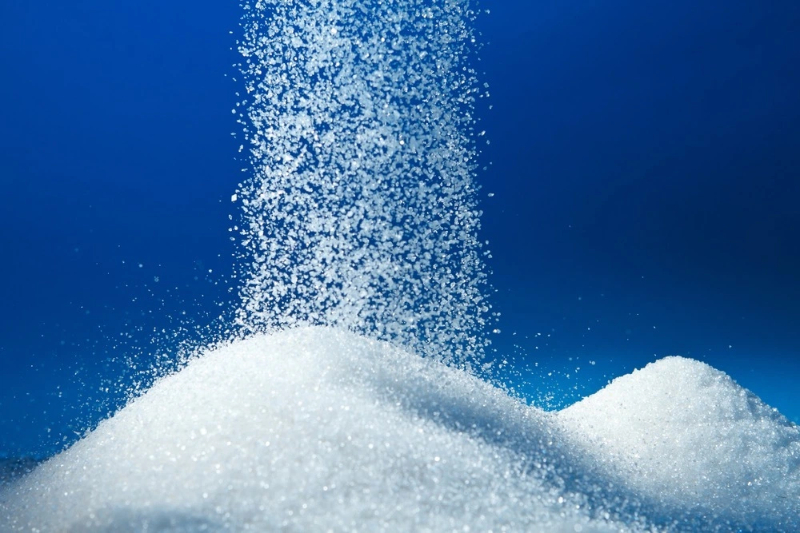
Healthcare formulations prominently feature Sucralose for its non-glycemic nature, making it suitable for diabetic management, ketogenic diets, and weight-loss programs. Nutritional supplements, meal replacements, and protein bars use Sucralose to mask bitter amino acids, enhancing compliance. In pharmaceutical tablets, lozenges, and syrups, Sucralose improves palatability for pediatric and geriatric patients, often compressed directly without excipients.[2][4]
Functional foods combine Sucralose with dietary fibers like chicory root inulin or bamboo fiber for prebiotic low-cal bars and shakes. Polyol-Sucralose synergies, such as with xylitol, promote oral health in gums and mints. Medical nutritionals for enteral feeding rely on Sucralose for stable sweetness in long-term storage.[6][5]
OEM services from specialized factories produce Sucralose-infused effervescent tablets and powders, integrating vitamins, minerals, and botanicals for global healthcare brands.
Sucralose provides 600-fold sweetness intensity with zero metabolizable calories, supporting obesity prevention and diabetes control. Its pH and heat stability surpasses most sweeteners, enabling diverse processing without reformulation. Sucralose is non-cariogenic, safe for teeth, and exhibits a clean taste profile with sucrose-like temporality.[4][1]
Synergistic blending amplifies Sucralose's efficacy, reducing usage levels by 20-30% when mixed with erythritol or stevia. Economic advantages include lower dosing costs and extended shelf life, benefiting manufacturers.[2]
Sucralose underwent over 110 safety studies spanning 20+ years before approvals: FDA in 1998 (general use), 1999 (children/pregnancy); EFSA (2000, reaffirmed 2023); JECFA (ADI 0-15 mg/kg, later 0-5 mg/kg). Human trials show no genotoxicity, carcinogenicity, or reproductive effects; 11-27% absorption, rapid excretion. Real-world intake averages 0.1-1 mg/kg daily, well below limits.[3][2]
Post-market surveillance confirms Sucralose safety across populations, including those with IBS or PKU.
| Sweetener | Sweetness (vs Sucrose) | Calories/g | Heat Stability | pH Stability | Glycemic Index | Cost Index |
|---|---|---|---|---|---|---|
| Sucralose | 600x | 0 | Excellent | 2.5-10 | 0 | Medium |
| Aspartame | 200x | 4 | Poor | 3-7 | Low | Low |
| Stevia | 200-400x | 0 | Good | 3-10 | 0 | High |
| Erythritol | 0.6x | 0.2 | Excellent | Full range | 1 | Medium |
| Monk Fruit | 150-300x | 0 | Good | 3-9 | 0 | High |
| Sugar | 1x | 4 | Good | 3-7 | 65 | Low |
Sucralose's superior versatility positions it as a top choice.
Specialized Chinese factories offer end-to-end Sucralose solutions: custom blending, tablet pressing, and packaging for OEM/ODM. Expertise in natural sweetener hybrids, polyols, and fibers enables innovative products like fiber-enriched Sucralose gums or low-glycemic beverage powders. Scalable production meets international certifications (ISO, HACCP, Halal), supporting exports to food, beverage, and pharma sectors.[6][5]
Sucralose transforms product development with its unmatched stability, zero calories, and broad applicability, empowering healthier innovations in food, beverages, and healthcare. For manufacturers, Sucralose-based OEM/ODM services from expert factories deliver competitive, customized solutions worldwide.
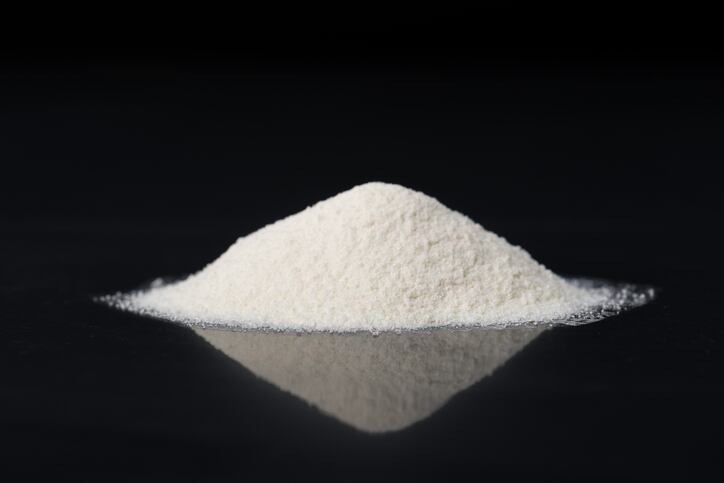
Sucralose is derived from sucrose through chlorination, replacing three hydroxyl groups with chlorine for zero-calorie sweetness.[3][2]
Sucralose is deemed safe by FDA, EFSA, and WHO, with an ADI of 5 mg/kg body weight based on extensive studies.[4]
Yes, Sucralose's high heat stability makes it perfect for baking up to 250°C without losing sweetness.[1]
Sucralose has zero glycemic index, ideal for diabetics and low-carb diets.[2]
Chinese factories provide OEM/ODM Sucralose mixes with polyols and fibers for global food and health products.[5]
[1](https://easybuyingredients.com/blog/unleashing-the-versatility-and-functionality-of-sucralose-with-these-hidden-applications-in-the-food-beverage-industry/)
[2](https://en.wikipedia.org/wiki/Sucralose)
[3](https://pmc.ncbi.nlm.nih.gov/articles/PMC3856475/)
[4](https://caloriecontrol.org/sucralose/)
[5](https://www.howtiangroup.cn/solutions-food)
[6](https://pdf.dfcfw.com/pdf/H3_AP202412131641289648_1.pdf)
[7](https://www.eatthis.com/sucralose-food/)


