
Views: 222 Author: Sara Publish Time: 2025-12-19 Origin: Site


Content Menu
● Common Artificial Sweeteners Overview
● Safety and Regulatory Approval
● Taste Profiles and Consumer Preferences
● Stability in Processing and Applications
● Health Benefits and Calorie Reduction
● Industry Applications in Food and Beverage
● Blends vs. Single Sweeteners
● Natural vs. Artificial Sweeteners Debate
● Manufacturing Considerations for Sweetener Use
● Future Trends in Sweetener Innovation
● FAQ
>> 1. What is the sweetest artificial sweetener?
>> 2. Is aspartame safe for daily use?
>> 3. Can sucralose be used in baking?
>> 4. Why blend artificial sweeteners?
>> 5. Are artificial sweeteners better than sugar?
Artificial sweeteners play a crucial role in modern food, beverage, and healthcare industries by providing intense sweetness without the calories of sugar. Determining the best artificial sweetener involves evaluating factors such as taste, stability, safety, cost, and specific application needs, like in beverages, tablets, or OEM/ODM manufacturing. This comprehensive guide delves into various artificial sweeteners, their properties, blends, and practical uses to help manufacturers select optimal sweetener solutions.
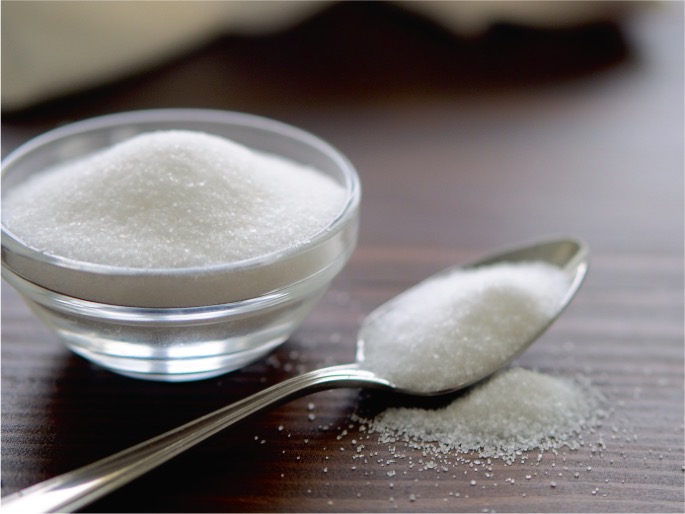
Saccharin, discovered in 1879, remains one of the most widely used artificial sweeteners, delivering up to 400 times the sweetness of sugar. Its high potency makes it economical for large-scale production in diet sodas, tabletop sweeteners, and oral care products, though it often carries a slight metallic aftertaste that can be mitigated through blending. Aspartame, composed of two amino acids, offers about 200 times sugar's sweetness and a clean, sugar-like taste, making it popular in cold beverages like soft drinks and yogurts, but its instability at high temperatures restricts baking applications.
Acesulfame potassium, or Ace-K, provides 200 times the sweetness of sugar and excels in heat stability, ideal for gums, baked goods, and beverages requiring pasteurization. Sucralose, chlorinated sucrose derivative, boasts 600 times sugar's sweetness with excellent stability across pH ranges and temperatures, positioning it as a versatile sweetener for everything from ice cream to pharmaceuticals. Neotame, at 8,000 times sweeter than sugar, and advantame, an astonishing 20,000 times, represent ultra-high-intensity artificial sweeteners that require tiny amounts, reducing formulation costs while enhancing sweetener efficiency in diverse products.
Cyclamate, once common but banned in some regions due to historical concerns, still finds use elsewhere as a 30-50 times sweeter option with good stability. Each artificial sweetener brings unique attributes, but their selection hinges on product-specific demands in food and beverage manufacturing.
The U.S. FDA has approved six high-intensity artificial sweeteners: saccharin, aspartame, acesulfame potassium, sucralose, neotame, and advantame, following extensive toxicology studies confirming safety at approved levels. Acceptable Daily Intake (ADI) guidelines, such as 50 mg/kg body weight for aspartame and 15 mg/kg for sucralose, ensure consumer protection, with real-world intake far below these thresholds for most people. The European Food Safety Authority and WHO align with these approvals, dispelling myths about cancer risks through meta-analyses showing no causal links.
For manufacturers in the healthcare sector, regulatory compliance with sweetener standards is paramount, enabling seamless OEM/ODM services for global markets. Phenylketonuria patients must avoid aspartame due to its phenylalanine content, but labels address this effectively. Ongoing surveillance by bodies like the Joint FAO/WHO Expert Committee on Food Additives reaffirms artificial sweeteners' safety profile, supporting their role in public health initiatives for obesity and diabetes management.
Taste quality drives artificial sweetener adoption; sucralose most closely mimics sugar's profile with minimal aftertaste, appealing to consumers seeking familiar sweetness in zero-calorie products. Aspartame delivers a smooth onset but can develop a bitter note at high concentrations, while Ace-K's quicker sweetness release pairs well in blends to balance profiles. Saccharin's lingering bitterness often requires synergy with other sweeteners, yet its potency endures in budget-conscious formulations.
Consumer panels rate blends highest for mouthfeel and flavor persistence, as seen in popular diet colas combining aspartame and Ace-K. In beverages, sucralose's clean finish enhances fruit flavors without muting them, vital for premium OEM products. Trends show rising demand for "natural-tasting" artificial sweeteners, prompting innovations in taste-masking technologies and hybrid sweetener systems.
Sensory science reveals that sweetness intensity alone insufficient; temporal profiles—attack, peak, and fade—determine preference. Manufacturers optimize these through precise sweetener ratios, ensuring products excel in blind taste tests.
Processing stability differentiates artificial sweeteners: sucralose and Ace-K endure baking at 200°C, extrusion, and UHT sterilization, crucial for shelf-stable foods and tablets. Aspartame degrades above 80°C or in acidic environments over time, favoring no-heat beverage lines. Neotame's robustness across pH 3-7 suits acidic juices and syrups, minimizing degradation losses.
In tableting for healthcare, compressible sweeteners like sucralose maintain tablet integrity without stickiness. Beverage carbonation demands solubility; all major artificial sweeteners dissolve rapidly, but sucralose's non-hygroscopic nature prevents clumping in humid conditions. OEM facilities prioritize these traits for scalable production, reducing waste and ensuring consistent sweetener delivery.
pH sensitivity tests guide formulations—saccharin thrives in neutral pH, while sucralose versatility spans all ranges. Storage stability under accelerated conditions confirms shelf lives exceeding two years for most sweetener-containing products.
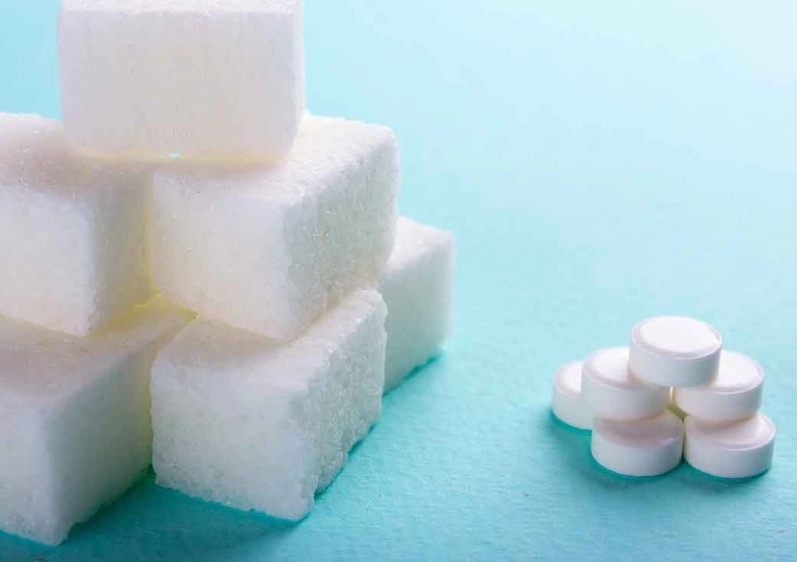
Artificial sweeteners slash calories by 99% compared to sugar, enabling weight loss diets without sacrificing sweetness satisfaction. Non-glycemic, they prevent blood sugar spikes, making them staples in diabetic foods and sports nutrition. Cariogenic resistance promotes dental health, as bacteria cannot ferment these sweeteners into acids.
Epidemiological data links regular artificial sweetener use to lower BMI in observational studies, though causation requires controlled trials. In functional beverages, they pair with fibers for satiety enhancement, amplifying health claims. For healthcare OEM, low-calorie sweeteners support medical nutritionals targeting metabolic syndrome.
Gut microbiome research shows minimal impact from approved sweeteners, unlike sugar's dysbiosis promotion. Hydration benefits in zero-calorie drinks further underscore their wellness role.
Beverages consume 70% of artificial sweetener volume, with diet sodas blending aspartame-Ace-K for fizz-retaining sweetness. Dairy uses sucralose in low-fat yogurts for creaminess without sugar. Confectionery leverages neotame's potency for hard candies, minimizing bulking agents.
Baked goods rely on sucralose-Ace-K for volume and browning akin to sugar. Pharmaceuticals mask APIs with saccharin blends in syrups and chewables. OEM/ODM services customize these for international standards, like China's GB 2760 for sweeteners.
Sports drinks incorporate electrolytes with stable sweeteners, while infant formulas explore gentle options under strict regs. Versatility defines artificial sweeteners' industrial dominance.
Blends outperform singles by synergizing strengths: aspartame provides upfront sweetness, Ace-K sustains it, eliminating aftertastes for superior profiles.
| Sweetener Type | Sweetness Intensity | Heat Stability | Aftertaste | Best Applications | Cost Efficiency |
|---|---|---|---|---|---|
| Aspartame | 200x sugar | Low | Mild | Beverages | Moderate |
| Sucralose | 600x sugar | High | Clean | Baking, Drinks | High |
| Ace-K | 200x sugar | High | Bitter | Blends, Gums | High |
| Saccharin | 400x sugar | High | Bitter | Tabletop | Very High |
| Neotame | 8,000x sugar | High | Minimal | General | Very High |
| Advantame | 20,000x sugar | High | None | Confectionery | Highest |
This table highlights why blends like sucralose-aspartame cut costs by 20-30% while boosting sensory scores. Manufacturers achieve "sugar-like" results at fractions of sucrose expense.
Artificial sweeteners offer unmatched intensity and stability versus naturals like stevia, which vary in taste due to sourcing. Monk fruit provides antioxidants but at premium prices; artificial options scale economically. Hybrids—sucralose-stevia—capture clean-label appeal without compromising performance.
Cost per sweetness equivalent favors artificial: saccharin at $0.01 per sugar kg equivalent. Regulatory hurdles slower for novel naturals, cementing artificial dominance in beverages.
Precision blending in OEM requires high-shear mixers for uniform sweetener distribution. Solubility testing ensures no precipitation in final products. Cost modeling favors sucralose for mid-intensity needs, neotame for ultra-low dosing.
Supply chain reliability, with China leading sucralose production, supports global OEM. Quality specs like 99% purity maintain efficacy. Shelf-life extension via antioxidants pairs with stable sweeteners.
Protein-based sweeteners and biotech-derived options challenge incumbents, but artificial sweeteners evolve via encapsulation for taste masking. Regulatory nods for allulose blends expand zero-calorie claims. Sustainability pushes bio-based production of sucralose precursors.
AI-driven formulation optimizes sweetener synergies, predicting consumer prefs. Healthcare trends favor peptide sweeteners, yet classics persist for proven efficacy.
Sucralose stands out as the premier artificial sweetener for its exceptional versatility, clean taste, heat and pH stability, and broad safety approval, particularly in blends that maximize performance across food, beverage, and healthcare applications. Tailoring selections to specific needs—blending for optimal synergy—ensures superior products in OEM/ODM manufacturing. As industry demands intensify, leveraging advanced artificial sweeteners drives innovation and consumer satisfaction.
Advantame holds the record at 20,000 times sugar's sweetness, enabling ultra-low usage in confections and beverages for maximum efficiency.
Aspartame is safe within FDA's 50 mg/kg ADI, backed by decades of studies showing no adverse effects for general populations.
Sucralose thrives in baking due to high heat stability, retaining sweetness unlike heat-sensitive options like aspartame.
Blends counteract individual flaws like bitterness, delivering sugar-like taste, better stability, and cost savings.
Artificial sweeteners excel by eliminating calories and glycemic impact, supporting weight management and diabetes control superior to sugar.


