
Views: 222 Author: Sara Publish Time: 2025-11-05 Origin: Site


Content Menu
● Applications in Food, Beverages, and Healthcare
● Quality, Safety, and Standards
● Advantages for a China-based Manufacturer
● Packaging, Logistics, and Scale
● Case Studies and Market Trends
● Choosing a Monk Fruit Partner
● FAQ
>> 1. What is Monk Fruit and where does it come from?
>> 2. How is Monk Fruit sweetener produced and blended for industry use?
>> 3. Are Monk Fruit sweeteners safe and regulated for international markets?
>> 4. What are the best uses of Monk Fruit in industrial formulations?
>> 5. How should OEM/ODM scale Monk Fruit blends for overseas customers?
Monk Fruit, also known as Luo Han Guo, is a natural sweetener harvested from Siraitia grosvenorii, a plant native to parts of Southeast Asia. The sweetness of Monk Fruit originates not from the simple sugars found in many fruits but from mogrosides, a family of compounds that can deliver intense sweetness with negligible calories. For a Chinese manufacturer serving food, beverage, and healthcare markets abroad, Monk Fruit offers a compelling platform for private-label blends and turnkey OEM/ODM solutions. By combining Monk Fruit extracts with functional polyols, such as erythritol, a wide spectrum of sugar-reduction applications become feasible while preserving mouthfeel, texture, and flavor integrity across products. This article delves into the science, processing, applications, quality controls, and practical considerations for leveraging Monk Fruit in industrial formulations.
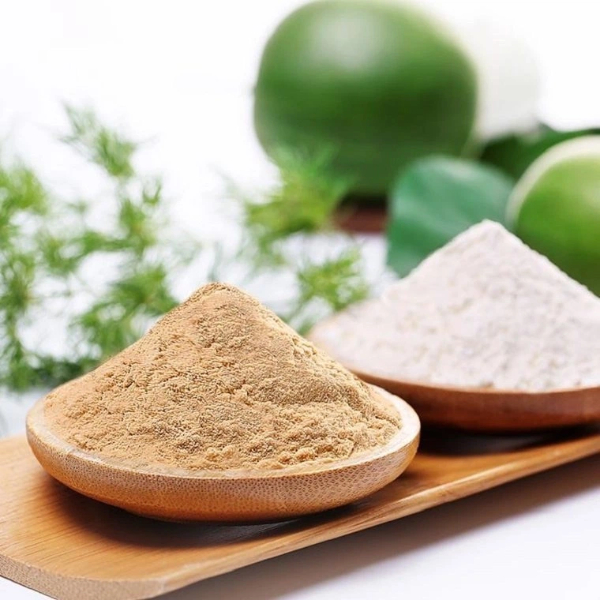
Monk Fruit is a small, round fruit historically used in traditional medicine and culinary applications in Asia. Its sweetness is dominated by mogrosides, particularly mogroside V, which provides substantial sweetness without contributing significant calories or affecting glycemic response in most users. Commercial Monk Fruit sweeteners are typically extracts that concentrate mogrosides to achieve high-intensity sweetness. These extracts can be produced as powders, liquids, or syrup concentrates and are often formulated into blends to mimic sugar's organoleptic profile. The growing interest in natural, zero-calorie sweeteners has positioned Monk Fruit as a leading option alongside other plant-based sweeteners in global markets. This material is widely accepted in many regulatory environments, with regional approvals guiding usage in foods and beverages. For OEM/ODM collaborations, the ability to adjust mogroside content and blend ratios enables customization for sweetness strength, flavor balance, and regulatory compliance across markets. The core advantage of Monk Fruit in industrial settings is the combination of high sweetness potency with clean-label appeal, supporting product differentiation in fiber-rich, health-focused portfolios.
Monk Fruit sweeteners derive their potency primarily from mogrosides, with mogroside V often delivering the highest sweetness intensity within commercial extracts. In practical terms, mogroside content can be tailored during processing to produce extracts with varying sweetness profiles. Because mogrosides contribute negligible calories compared with sucrose, Monk Fruit extracts are often marketed as zero-calorie sweeteners suitable for calorie-restricted diets and diabetic-friendly formulations. In many commercial blends, Monk Fruit is paired with polyols like erythritol or xylitol. This pairing helps balance sweetness, reduces potential aftertaste, and provides bulk and mouthfeel closer to sugar, while maintaining a low overall caloric load. Blends may also incorporate dextrose or maltitol in controlled ratios to achieve specific performance targets in beverages, dairy, or bakery products. The resulting formulations offer a versatile platform for product developers to meet consumer needs for natural, low-calorie sweeteners without sacrificing taste or texture. These attributes make Monk Fruit a preferred choice for OEM/ODM projects aimed at international markets seeking clean-label, zero-calorie alternatives.
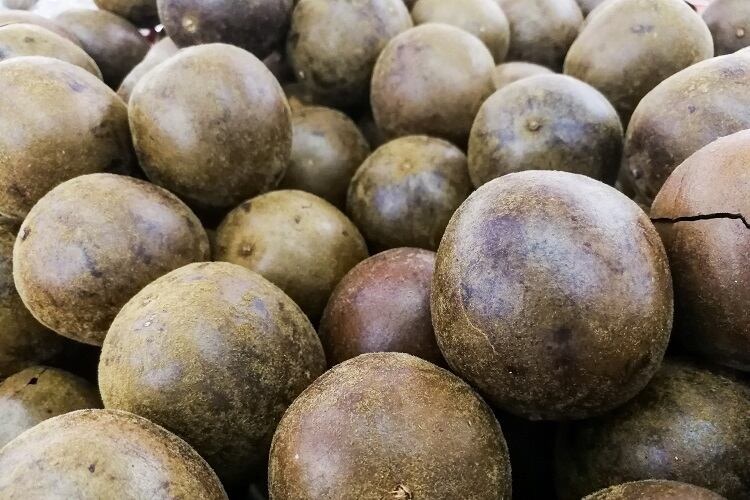
The production of Monk Fruit sweeteners starts with the fruit itself. After harvest, the fruit is processed to remove seeds and skins, and the juice is extracted. The critical step is the concentration and purification of mogrosides from the juice. Advanced purification technologies isolate mogrosides and remove unwanted constituents, yielding a high-purity extract that can be dried into a powder or formatted into a liquid concentrate. Depending on the intended end-use, the extract may undergo further refining to increase mogroside content or to tailor the balance of mogroside V and other mogrosides for flavor and sweetness profile. Drying converts the extract into a stable powder with good shelf life, ease of handling in bulk production, and compatibility with other ingredients in multi-ingredient blends. Storage stability hinges on controlling moisture and preventing degradation of mogrosides over time. For OEM/ODM collaborations, the ability to deliver consistent mogroside content and low variability across batches is essential to meeting customer expectations and regulatory requirements in different regions.
In industrial practice, Monk Fruit is rarely used in isolation. Blends with erythritol, xylitol, or other polyols are common to achieve a sugar-like mouthfeel, bulk, and texture while maintaining a low calorie impact. Erythritol is particularly popular because it contributes bulk and a cool sensation that can complement Monk Fruit's sweetness. The ratio between Monk Fruit extract and polyol determines the sweetness strength, mouthfeel, perception of coolness, and aftertaste. For example, manufacturers may target a Monk Fruit to erythritol ratio in a range such as 60/40 to 70/30, then conduct sensory evaluations to optimize the balance for beverages, dairy, or baked goods. With OEM/ODM capabilities, your facility can produce customized blends that align with each overseas customer's product concept, whether for beverages targeting low-sugar markets, yogurt with clean-label claims, or bakery products seeking sugar reduction without sacrificing crumb structure. Besides polyol blends, some formulators incorporate minor flavor modifiers or thickeners to adjust mouthfeel, melt-in-the-mouth attributes, or glaze behavior in confectionery applications. These integrative strategies enable your customers to deliver consistent taste experiences across product lines while maintaining regulatory compliance and consumer appeal.
- Beverages: Monk Fruit blends are widely used in soft drinks, ready-to-drink beverages, and bottled teas. In these applications, the formulation often emphasizes immediate sweetness with good solubility, stable sweetness across a range of temperatures, and minimal aftertaste. The zero-calorie profile is appealing for sugar-reduction campaigns and weight-management beverage lines. Blends with polyols help deliver body and mouthfeel for a satisfying drinking experience without adding calories.
- Dairy and dairy alternatives: Yogurts, smoothies, and fortified dairy drinks can benefit from Monk Fruit blends, where sweetness and flavor balance are critical. The ability to maintain sweetness under pasteurization and storage conditions is important, and polyol blends contribute body and texture where milk solids are reduced.
- Bakery and confectionery: Baked goods and confectionery products require stable sweetness during baking, as well as moisture retention and crumb structure. Monk Fruit blends can be formulated to maintain sugar-like performance in cookies, pastries, and chocolates, with careful control of moisture migration and browning reactions.
- Healthcare and nutrition: Given its zero-calorie nature and minimal impact on blood sugar for many users, Monk Fruit is suitable for clinical nutrition products, meal replacements, and diabetic-friendly lines. The ability to tailor sweetness intensity without calories makes it attractive for nutrition bars and oral nutrition products.
- Private-label and OEM/ODM opportunities: For overseas manufacturers, offering Monk Fruit-based blends as private-label solutions enables rapid market entry and scalability. Your factory's strengths in blended-sweetener development, tablet production, and OEM/ODM services align well with private-label strategies, enabling clients to customize sweetness levels, texture, and labeling to regional preferences and regulatory constraints.
- Purity and labeling: It is essential to define and communicate mogroside content (e.g., mogroside V percentage) and overall purity in product specifications. Clear, accurate labeling supports compliance with regulatory standards in target markets and helps customers communicate product benefits to consumers.
- Allergen and cross-contact controls: GMP and QA programs should address potential cross-contact with other sweeteners, especially when blending Monk Fruit with polyols. Documentation, batch records, and traceability enable customers to meet auditing requirements and ensure consistent quality.
- Stability and organoleptic properties: Regular sensory profiling and stability testing help track sweetness intensity, aftertaste, and mouthfeel over time. This is particularly important for baked goods, beverages, and dairy products where processing conditions can influence the final sensory experience.
- Regulatory considerations: While Monk Fruit extracts enjoy broad acceptance, regulatory guidance varies by country. Ensure your supply chain documents and product dossiers are prepared to support entry into markets with differing labeling, purity, and safety requirements.
- Global market access: By offering Monk Fruit-based blends, your company can meet the rising demand for natural, zero-calorie sweeteners in overseas markets, particularly among health-conscious brands seeking clean-label formulations. This aligns with trends toward reduced added sugars in beverages, snacks, and healthcare products.
- Customization and speed to market: Your OEM/ODM capabilities enable rapid development of private-label blends with specified mogroside content, blend ratios, packaging formats, and regulatory documentation, helping customers bring products to market faster.
- Value-added services: Beyond the core sweetener, your factory can provide turnkey services such as tablet production for nutraceuticals, formulation assistance for flavor balance, and stability testing programs that reduce risk for overseas partners.
- Start with pilot testing: For new Monk Fruit blends, conduct small-batch sensory evaluations to determine sweetness equality to sugar, aftertaste balance, and mouthfeel. Use this data to fine-tune mogroside ratios and polyol blends before scale-up.
- Flavor balancing: Monk Fruit can carry a mild fruity or caramel-like note, depending on processing and mogroside mix. Consider incorporating flavor modulators or natural flavorings to harmonize sweetness with product flavor profiles, especially in beverages and dairy.
- Heat stability: The stability of Monk Fruit blends under heat is generally favorable, but the interaction with polyols can influence browning, moisture retention, and texture in baked goods. Plan formulation tests for each application to ensure performance remains consistent through shelf life.
- Labeling and consumer messaging: Emphasize clean-label attributes, zero calories, and non-glycemic impact where appropriate. For private-label products, ensure the messaging aligns with local regulatory requirements and consumer expectations.
- Formats: Provide Monk Fruit blends in powder or liquid formats aligned with customer needs. Powder blends are logistics-friendly for bulk production, while liquids can be more convenient for ready-to-use beverage formulations.
- Shelf life and storage: Implement moisture-control strategies and packaging designed to preserve mogroside integrity and sweetness during storage. Desiccants and moisture-barrier packaging help extend shelf life for powders and syrups alike.
- Describing sustainability and clean-label features: Highlight the absence of artificial additives in Monk Fruit blends, supporting sustainability narratives and consumer trust in overseas markets.
- Natural sweeteners market growth: The demand for zero-calorie, natural sweeteners continues to rise as global health initiatives emphasize reduced sugar intake. Monk Fruit stands out among natural options for its high potency and favorable labeling.
- Regional opportunities: North America and Europe show strong uptake in beverages and dairy products, while Asia-Pacific markets explore Monk Fruit in snacks and nutrition bars. Tailor your OEM/ODM offerings to these regional preferences.
- Capability and R&D: Seek suppliers with robust mogroside-rich extract production, rigorous QA systems, and experience handling OEM/ODM projects for overseas customers.
- Compliance and certifications: Confirm the supplier can provide required certifications and regulatory support to streamline market entry.
- Support for scale: Look for reliable supply chains with consistent mogroside purity and the ability to deliver large volumes on tight timelines.
Monk Fruit sweetener represents a natural, zero-calorie solution that can transform how overseas manufacturers formulate healthier alternatives for food, beverage, and healthcare products. By integrating mogroside-rich Monk Fruit extracts with carefully designed polyol blends, a China-based factory can offer flexible, scalable private-label solutions that meet diverse regulatory landscapes and consumer preferences. The key to success lies in delivering consistent mogroside content, maintaining high-quality standards, and providing expert OEM/ODM support—from pilot tastings to full-scale production and regulatory documentation. This approach positions your factory as a trusted partner for overseas manufacturers seeking reliable, natural sweetener systems with clear labeling, clean ingredients, and robust performance across product categories.
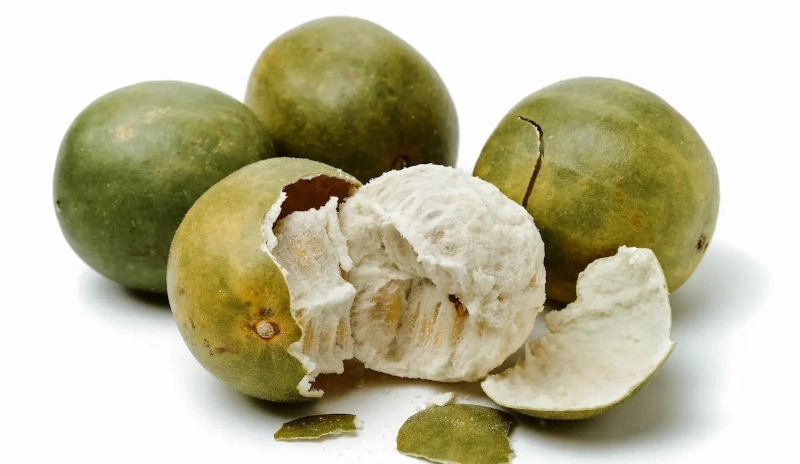
- Monk Fruit is a natural sweetener derived from the fruit Siraitia grosvenorii, primarily containing mogrosides that deliver intense sweetness with minimal calories.[4][10]
- The fruit is processed to extract mogrosides, which are purified into a powder or liquid. For industrial use, Monk Fruit is commonly blended with erythritol or other polyols to achieve sugar-like mouthfeel and bulk.[11][4]
- Regulatory status varies by region, but Monk Fruit extracts generally receive approval or GRAS-like status in many markets, with labeling and purity requirements guiding compliance.[10][4]
- Monk Fruit blends are suitable for beverages, dairy, baked goods, confectionery, and nutrition products, with customization possible through OEM/ODM to meet regional tastes and regulations.[4][11]
- Partner with a supplier offering mogroside-rich extracts, formulation expertise, and QA systems to support pilot testing, scale-up, and regulatory documentation, ensuring consistent product quality.[11][4]
[1](https://www.tastingtable.com/944990/everything-you-need-to-know-about-monk-fruit-sweetener/)
[2](https://www.foodandnutritionjournal.org/volume13number1/the-battle-of-natural-sweeteners-a-comprehensive-guide-to-monk-fruit-and-stevia/)
[3](https://www.whatsugar.com/monk-fruit)
[4](https://www.healthline.com/nutrition/monk-fruit-sweetener)
[5](https://www.lakanto.com/blogs/recipes/how-to-use-monkfruit-sweeteners)
[6](https://transparencyfoods.com/blogs/news/types-of-monk-fruit-sweeteners-explained)
[7](https://www.webmd.com/diet/what-to-know-about-monk-fruit-sugar)
[8](https://www.plantsbypeople.com/blogs/plant-based-nutrition-guide/monk-fruit-sweetener-guide)
[9](https://www.cleanprogram.com/blogs/health-lifestyle/the-magic-of-monk-fruit)
[10](https://ific.org/insights/everything-you-need-to-know-about-monk-fruit-sweeteners/)
[11](https://wholeearthsweetener.com/products/monk-fruit-blend-bag)


