
Views: 222 Author: Sara Publish Time: 2026-01-04 Origin: Site


Content Menu
● Switching to Natural Sweeteners
● Benefits in Food and Beverages
● Practical Tips for Transition
● Recipes with Natural Sweeteners
● FAQ
>> 1. What are the first changes after quitting artificial sweeteners?
>> 2. Do natural sweeteners affect the gut like artificial ones?
>> 3. Can quitting sweeteners lead to weight loss?
>> 4. Are natural sweeteners safe for diabetics?
>> 5. How do I replace artificial sweeteners in products?
Quitting artificial sweeteners leads to remarkable transformations in taste perception, gut health, metabolism, and overall well-being. Many individuals experience heightened sensitivity to natural flavors and reduced cravings as their bodies adapt to life without synthetic sweeteners.[1]
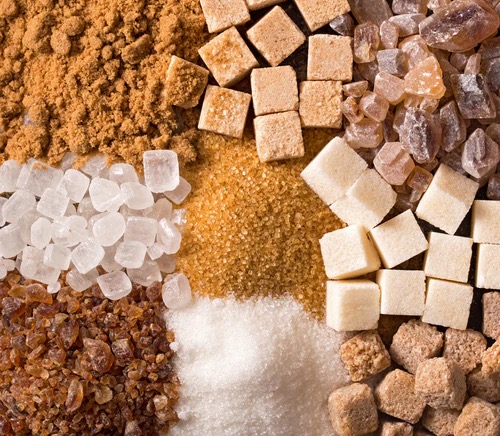
Artificial sweeteners deliver hyper-intense sweetness that overwhelms taste buds, desensitizing them to the subtler notes of natural foods. When you stop using them, this overload ceases, allowing taste receptors to regenerate and recalibrate within just a few days to two weeks. Fruits such as apples, strawberries, and oranges suddenly burst with inherent sweetness, tasting like nature's candy without any added sweeteners. Vegetables like carrots, bell peppers, and even leafy greens develop richer, more appealing flavors that encourage greater consumption of nutrient-dense whole foods.[2][1]
This reset occurs because artificial sweeteners bind to sweet taste receptors but fail to provide the expected caloric payoff, confusing the brain's reward system. Over time, reliance on them masks the natural sugars in foods, leading to a cycle of escalating sweetness needs. Post-quitting, everyday meals become more enjoyable, promoting a diet rich in unprocessed ingredients. Sweeteners derived from natural sources, like steviol glycosides, offer a gentle transition, maintaining satisfaction without the dulling effect.[2]
The gut microbiome plays a crucial role in digestion, immunity, and metabolism, but artificial sweeteners disrupt its balance by favoring harmful bacteria over beneficial ones. These synthetic compounds act as antibiotics for good bacteria, promoting species that extract more calories from food and contribute to inflammation. Stopping artificial sweeteners allows the microbiome to recover, with diverse bacterial populations rebounding to support better nutrient absorption, reduced bloating, and improved bowel regularity.[3][1]
Research highlights how sweeteners like sucralose and aspartame alter microbial composition, potentially leading to glucose intolerance. In contrast, natural sweeteners and functional polyols nurture a healthy gut environment, acting as prebiotics that feed beneficial strains. This recovery can take weeks to months, but early signs include less gas, firmer stools, and enhanced energy from efficient digestion. For food and beverage manufacturers, incorporating dietary fibers alongside natural sweeteners ensures products that actively promote gut health rather than harm it.[4]
Even though artificial sweeteners contain no calories, they often provoke an insulin response akin to real sugar due to their sweet taste signaling the pancreas. This cephalic phase insulin release causes blood sugar fluctuations, fostering hunger and fat storage. Ceasing their use eliminates these false signals, leading to steadier glucose levels, fewer energy crashes, and better hormonal balance.[5][1]
Stable blood sugar enhances fat metabolism, making weight management easier without constant battles against spikes and dips. Individuals with prediabetes or insulin resistance notice particular relief, as the body regains sensitivity to its own regulatory mechanisms. Natural sweeteners, with their minimal glycemic impact, serve as ideal replacements in beverages and snacks, supporting long-term metabolic health for consumers worldwide.[6]
Artificial sweeteners hijack the brain's dopamine pathways, much like sugar, creating addiction-like cravings for more sweets and carbohydrates. This reward loop intensifies appetite, often leading to overeating of calorie-dense foods. Quitting breaks the cycle, with cravings diminishing significantly within days to weeks, as the brain rewires to appreciate natural food rewards.[1][2]
Fewer urges mean less impulsive snacking, empowering better portion control and food choices. Many report a natural aversion to overly processed items, gravitating toward whole fruits sweetened by their own fructose. Blended natural sweeteners provide the sweetness profile consumers love without triggering the same addictive response, making them perfect for OEM formulations in the food industry.[7]
Paradoxically, artificial sweeteners are linked to weight gain through appetite stimulation, microbiome shifts, and disrupted satiety signals. Stopping them often results in spontaneous weight loss, as the body taps into fat stores more effectively and hunger cues align with actual nutritional needs. Users frequently shed pounds effortlessly, attributing it to sustained fullness from real foods.[1][2]
This benefit extends beyond the scale; body composition improves with less visceral fat accumulation. For beverage manufacturers, switching to functional polyols and natural sweeteners reduces calorie content while preserving volume and mouthfeel, aiding consumer weight goals without compromising taste.[8]
While artificial sweeteners don't directly cause cavities like sugar, their acidic delivery in diet sodas erodes enamel over time. Quitting encourages water and unsweetened options, slashing acid exposure and bacterial plaque. Natural sweeteners, non-fermentable by oral bacteria, paired with dietary fibers, foster a cavity-resistant environment.[5][6]
Brighter smiles emerge as inflammation decreases, with fewer sensitivity issues from enamel repair.
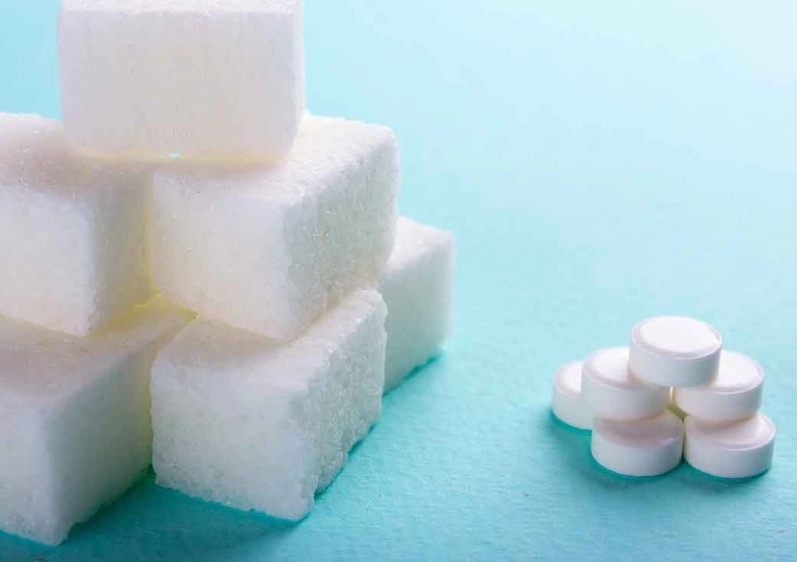
Fluctuating blood sugar from artificial sweeteners drains vitality through constant adrenal stress. Elimination yields consistent energy from balanced macronutrients, eliminating afternoon slumps. Functional polyols in snacks provide sustained release, ideal for active lifestyles.[1]
Gut recovery post-quitting reduces systemic inflammation, clearing acne and promoting even-toned skin. Nutrient uptake enhances collagen production for supple hair and nails. Natural sweeteners avoid synthetic additives that exacerbate skin issues.[2]
Steady glucose fuels the brain optimally, banishing fog and irritability from insulin rollercoasters. Sharper focus and mood stability follow, with natural sweeteners supporting cognitive health via antioxidants in plant sources.[1]
Chronic artificial sweetener use correlates with higher risks of metabolic syndrome, diabetes, and cardiovascular issues. Quitting mitigates these, fostering insulin sensitivity and lipid profiles. Our factory's natural sweeteners, functional polyols, and dietary fibers offer superior alternatives for healthcare products, reducing these risks in formulations.[3][1]
Transition seamlessly with stevia, monk fruit, and erythritol-based blends that replicate sugar's bulk and taste. These natural sweeteners integrate into tablets, beverages, and confections without aftertaste or digestive woes. As experts in mixed sweeteners development, we craft OEM/ODM solutions for global manufacturers seeking clean-label innovation.[4][7]
Functional polyols like maltitol provide chewiness in gums, while dietary fibers such as inulin boost fiber content for satiety.
In foods, natural sweeteners enable sugar-reduced baking with perfect rise and texture. Beverages gain refreshment minus calories, appealing to health-conscious markets. Our services ensure scalability from lab to production.[8]
High-precision tableting with natural sweeteners yields stable, palatable supplements. Blends prevent clumping, ideal for nutraceuticals targeting blood sugar and gut health.
Candy makers use polyols for heat-stable sweetness; beverage firms blend for fizz compatibility. Healthcare leverages fibers for digestive aids, all powered by our specialized production.
Tailored for abroad partners, our Chinese factory delivers compliant, innovative sweeteners solutions—from R&D to export-ready packaging. Natural sweeteners meet FDA and EU standards effortlessly.[9][7]
Peer-reviewed studies affirm artificial sweeteners' downsides, championing natural alternatives for microbiome and metabolic support. Trends favor plant-based sweeteners in functional foods.[3]
Thousands share stories of vitality regained: deeper sleep, elevated mood, and effortless habits after ditching synthetics for natural sweeteners.[2]
Taper off gradually, swapping one item daily with natural sweetener equivalents. Hydrate abundantly to flush residues. Experiment with recipes featuring our blended products for familiarity.
Gut-Healing Smoothie: Blend spinach, berries, natural sweetener, and dietary fiber for a microbiome boost.
Sugar-Free Tablets: Compress polyols, flavors, and fibers into energy chews.
Beverage Mix: Dissolve stevia blend in water for zero-calorie refreshment.
Dietitians worldwide recommend quitting artificial sweeteners, endorsing natural sweeteners and fibers for holistic health. Manufacturers gain competitive edges with our OEM expertise.[5][1]
Ceasing artificial sweeteners revitalizes taste buds, heals the gut, stabilizes energy, curbs cravings, and fortifies long-term health, paving the way for vibrant living. Embrace natural sweeteners, functional polyols, and dietary fibers through our factory's premier OEM/ODM services for food, beverage, and healthcare—delivering superior taste, efficacy, and innovation without synthetic pitfalls.
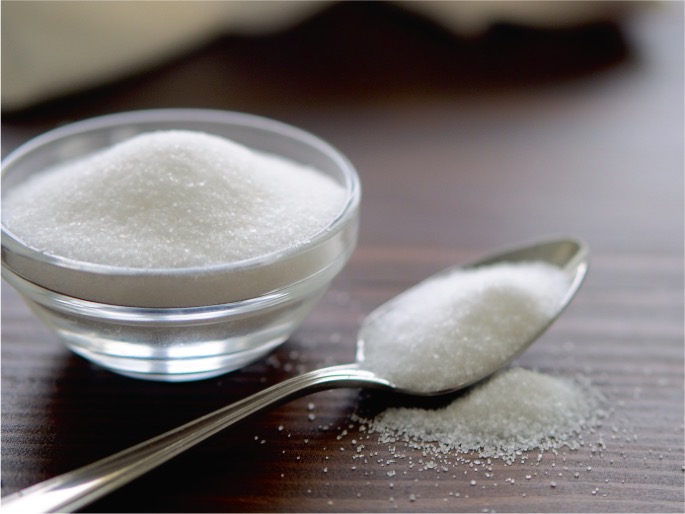
Taste buds reset rapidly, amplifying natural food sweetness within days. Fruits taste dessert-like, boosting whole-food intake.[2][1]
No, they nurture beneficial bacteria, unlike disruptive synthetics. Functional polyols and fibers enhance microbiome diversity.[4][1]
Yes, via reduced appetite and metabolic efficiency. Natural sweetener blends support sustainable management.[1][2]
Yes, low-glycemic options like stevia and erythritol maintain stability, outperforming artificial varieties.[4][5]
Partner with factories for custom OEM blends of natural sweeteners, polyols, and fibers—seamless, high-quality upgrades.[7][9]
[1](https://www.prevention.com/food-nutrition/a20440421/quitting-artificial-sweeteners/)
[2](https://www.reddit.com/r/loseit/comments/1l6oq7x/something_amazing_happens_when_you_give_up/)
[3](https://pmc.ncbi.nlm.nih.gov/articles/PMC10822749/)
[4](https://pdf.dfcfw.com/pdf/H3_AP202412131641289648_1.pdf)
[5](https://www.mayoclinic.org/healthy-lifestyle/nutrition-and-healthy-eating/in-depth/artificial-sweeteners/art-20046936)
[6](https://www.nhs.uk/live-well/eat-well/food-types/are-sweeteners-safe/)
[7](https://www.foodtalks.cn/news/51833)
[8](https://www.caldic.com/zh-hans-cn/markets/food-beverage/beverage/)
[9](https://pdf.dfcfw.com/pdf/h3_ap202307031591987221_1.pdf)


