
Views: 222 Author: Sara Publish Time: 2025-07-30 Origin: Site


Content Menu
● Understanding Aspartame's Taste Profile
● Aspartame vs. Sugar and Other Sweeteners in Taste
● Chemical Structure and Mechanism of Sweetness
● Stability and Usage Limitations
● Sensory Experience and Consumer Perception
● Health Aspects Related to Taste
● Current Applications and Industry Trends
● FAQ
>> 1. What does aspartame taste like compared to sugar?
>> 2. Does aspartame have a bitter or metallic aftertaste?
>> 3. Can aspartame be used for cooking or baking?
>> 4. Why does aspartame taste sweeter than sugar?
>> 5. Is the aftertaste of aspartame noticeable in all products?
Aspartame is an artificial sweetener widely used as a sugar substitute in various food and beverage products. It is approximately 200 times sweeter than table sugar (sucrose), so only a small amount is required to provide the equivalent sweetness level. The taste of aspartame is often described as clean and very similar to sugar, lacking the bitter aftertaste that many other artificial sweeteners possess. However, some people note a mild sweet aftertaste that can be perceived as slightly different from natural sugar.
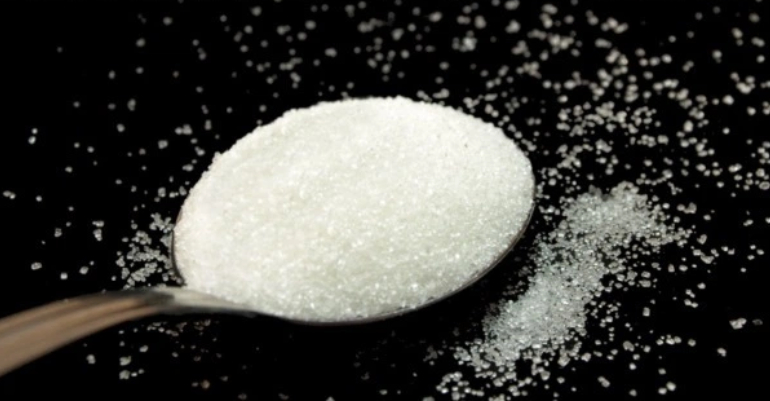
Aspartame's sweetness closely mimics that of sucrose, which is why it is favored in many low-calorie and sugar-free products. Unlike some other sweeteners that leave a metallic or bitter flavor, aspartame delivers a more pleasant taste with a smooth mouthfeel. The sweetness sensation appears a bit slower than sugar itself but has a lasting sweet aftertaste. This makes it suitable for beverages and foods that require a sustained sweetness experience.
Aspartame is composed of two amino acids, aspartic acid and phenylalanine, naturally occurring in many foods. When metabolized, it breaks down into these amino acids and a small amount of methanol, all of which are normally present in a regular diet. This contributes to its safe profile as a sweetener.
Aspartame stands out because of its taste profile that closely resembles natural sugar, without significant bitterness or chemical off-flavors found in some other sweeteners. In comparison:
- Saccharin, another artificial sweetener, is much sweeter than sugar but is often accompanied by a bitter or metallic aftertaste, limiting its acceptance among consumers.
- Sucralose is also intensely sweet and stable under heat, but some users report a slight chemical taste or lingering aftertaste.
- Steviol glycosides (commonly from stevia) offer sweetness but introduce a distinctive licorice-like aftertaste that some find off-putting.
Among these, aspartame is favored for its clean and sugar-like taste, making it a popular choice for sugar-free soft drinks, chewing gums, and various low-calorie products.
Aspartame is a dipeptide methyl ester formed from the amino acids L-aspartic acid and L-phenylalanine. This chemical structure enables it to bind to sweetness receptors on the tongue, stimulating the sweet taste sensation. Its sweetness intensity results from this strong affinity, much higher than that of sucrose, which requires a large quantity to achieve the same sweetness level.
This affinity to sweetness receptors also explains the slightly delayed onset of sweetness compared to sugar. While sugar activates sweetness perception almost immediately upon contact, aspartame's interaction causes a gradual build-up of the sweetness sensation, which some describe as smoother and more lingering.
One significant aspect influencing how aspartame is used is its chemical stability. Unlike some sweeteners that remain stable under high temperatures, aspartame degrades quickly when heated. This degradation leads to a loss of sweetness and the formation of breakdown products that might affect taste negatively. Therefore, aspartame is generally unsuitable for baking or cooking applications involving prolonged heat exposure.
The sweetener is most stable in acidic environments with a pH around 4.3, such as in carbonated soft drinks and fruit juices, which makes these products ideal for its usage. Additionally, aspartame dissolves rapidly in water, enhancing its effectiveness in beverages.
Manufacturers often blend aspartame with other sweeteners like acesulfame potassium or sucralose to improve taste profiles and stability. This blending balances the sweetness onset and aftertaste, creating a flavor profile closer to sugar and improving product shelf life.

The sensory experience of aspartame varies slightly depending on the product formulation and consumer sensitivity. Many consumers report a sweetness that is clean and pleasant, with very little off-taste. However, some individuals are more sensitive to the aftertaste, perceiving a mild bitterness or chemical flavor, particularly at high concentrations.
Scientific sensory evaluations have found that the aftertaste of aspartame is generally less pronounced than that of saccharin or stevia-based sweeteners. In some cases, aspartame's aftertaste is masked effectively by flavorings or mixing with other sweeteners.
Interestingly, the perception of aspartame's taste can also be influenced by the type of food or beverage it is used in. For instance, in carbonated soft drinks, aspartame works well due to the acidity and carbonation masking any subtle aftertaste. In contrast, in some dairy or solid food applications, the aftertaste may be more detectable, influencing formulation decisions for manufacturers.
Aspartame's components—phenylalanine, aspartic acid, and methanol—are compounds commonly found in natural foods. The quantities produced from metabolizing typical amounts of aspartame are considered safe for the general population. However, individuals with phenylketonuria (PKU), a rare genetic disorder, must avoid aspartame because of their inability to metabolize phenylalanine properly.
While some consumers express concerns about artificial sweeteners affecting taste perception over time or causing cravings, numerous studies have confirmed that aspartame neither overwhelms the palate nor leads to increased sugar cravings. Its use is generally regarded as a helpful tool for reducing dietary sugar intake without compromising taste satisfaction.
Given its clean taste and sweetness characteristics, aspartame continues to be a key ingredient in sugar-free and low-calorie food and beverage products worldwide. It is extensively used in:
- Soft drinks and diet sodas
- Sugar-free chewing gums
- Low-calorie desserts and gelatin
- Flavored waters and drink mixes
- Pharmaceutical products like chewable vitamins and syrups
With a growing consumer demand for healthier, low-sugar options, manufacturers increasingly rely on sweeteners like aspartame to meet both taste and calorie reduction needs. Combining aspartame with natural sweeteners and fibers also fits well with current trends toward "clean label" and functional ingredients.
Aspartame is a widely used artificial sweetener praised for its clean, sugar-like taste without the bitter aftertaste common in many other alternatives. Its sweetness is about 200 times that of sugar, allowing manufacturers to use very small amounts. Although it has a slightly delayed sweet onset and may leave a mild aftertaste in some formulations, its overall flavor profile is pleasant and close to natural sugar. Due to its heat sensitivity, aspartame is primarily used in cold or acidic products like soft drinks and sugar-free beverages. Its safety and taste properties have helped it maintain a prominent role in the low-calorie sweetener market. As the food and beverage industry evolves, aspartame remains a valuable ingredient for creating enjoyable, reduced-calorie products that satisfy consumers seeking alternatives to sugar.

Aspartame tastes very similar to sugar with a clean and smooth sweetness. It has a slightly slower onset of sweetness and may leave a mild sweet aftertaste but lacks the bitterness found in many other artificial sweeteners.
Generally, aspartame does not have a strong bitter or metallic aftertaste. Some people may detect a mild aftertaste depending on the concentration and product formulation, but it is much less pronounced than with saccharin or acesulfame potassium.
Aspartame is not heat-stable and breaks down at high temperatures, losing its sweetness. This makes it unsuitable for baking or cooking processes requiring long heating times.
Aspartame is about 200 times sweeter than sugar due to its chemical composition and the way it interacts with sweetness receptors on the tongue, so only a very small quantity is needed to achieve a sweet taste equivalent to sugar.
The aftertaste depends on the amount of aspartame and the formulation of the product. In some beverages and foods, it is minimal and often masked by blending with other sweeteners or flavors, making it largely undetectable to most consumers.


