
Views: 222 Author: Sara Publish Time: 2025-12-19 Origin: Site


Content Menu
● What Aspartame Is And How It Works
● Regulatory Views On Aspartame Risk
● Cancer Risk: Current Evidence And Debate
● Metabolic And Cardiovascular Concerns
● Neurological And Mood‑Related Effects
● Risks For People With Phenylketonuria (PKU)
● Methanol, Formaldehyde, And Toxicity Fears
● Gastrointestinal And Gut Microbiota Effects
● Special Considerations For Children And Pregnant Women
● Understanding The Acceptable Daily Intake
● Practical Risk Management For Manufacturers
● Consumer Communication And Labeling
● When To Consider Alternatives To Aspartame
>> 1. Is Aspartame definitely dangerous to humans?
>> 2. Can Aspartame cause cancer?
>> 3. Is Aspartame safe for children and pregnant women?
>> 4. How can consumers reduce their Aspartame exposure?
>> 5. Why do manufacturers still use Aspartame if there are risks?
Aspartame is one of the most widely used artificial sweeteners in the world, yet it remains surrounded by questions about its long‑term safety and potential health risks. For food, beverage, and healthcare manufacturers, understanding the real risks of Aspartame is essential for responsible product design and for evaluating natural sweetener alternatives.

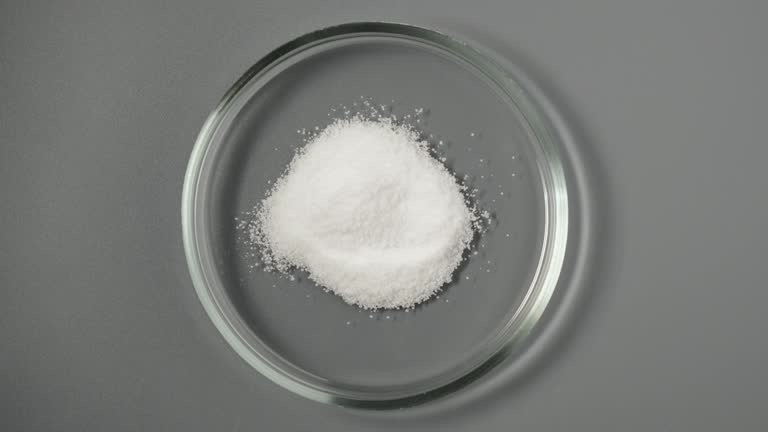
Aspartame is a low‑calorie, high‑intensity sweetener, roughly 200 times sweeter than sucrose, produced by combining two amino acids, aspartic acid and phenylalanine, with a methyl group. Because Aspartame is so sweet, manufacturers can replace large amounts of sugar with very small quantities of Aspartame, allowing for significant calorie reduction in a wide range of food and beverage applications.
Once consumed, Aspartame is rapidly broken down in the digestive tract into phenylalanine, aspartic acid, and methanol, which then enter normal metabolic pathways. These metabolites are central both to the practical advantages of Aspartame and to the ongoing safety debate, because their biological effects depend on dose, individual health status, and overall dietary exposure.
Regulatory agencies in many countries have repeatedly reviewed Aspartame and continue to authorize its use within defined intake limits. Authorities such as the World Health Organization's expert committees, European regulators, and national food safety agencies consider Aspartame acceptable when daily intake stays within the established acceptable daily intake (ADI).
The ADI for Aspartame is typically set between 40 and 50 mg per kilogram of body weight per day, with built‑in safety factors derived from toxicology studies. In practical terms, this means that even regular consumers of diet soft drinks and sugar‑free products usually remain below the ADI, although heavy users of multiple Aspartame‑containing products may approach these limits if they are not cautious.
Cancer risk is one of the most sensitive topics in the Aspartame discussion. A recent international evaluation classified Aspartame as "possibly carcinogenic to humans," a category that reflects limited evidence rather than definite proof of harm. This classification is based on selected human studies, animal experiments, and mechanistic data that together suggest, but do not conclusively demonstrate, a cancer link.
At the same time, food safety committees reviewing the same body of evidence have concluded that current data are insufficient to prove that Aspartame causes cancer in humans at typical dietary exposure levels. As a result, they have not changed the ADI but have recommended more robust, long‑term human studies to clarify whether specific cancer types, such as liver cancer or hematologic cancers, are truly associated with high Aspartame intake.
Aspartame is widely used in products aimed at weight management and sugar reduction, yet its influence on weight and metabolic health is complex. Clinical and observational studies on low‑calorie sweeteners, including Aspartame, show mixed results: some link higher consumption to weight gain, metabolic syndrome, or type 2 diabetes, while others find neutral or even beneficial effects when Aspartame replaces sugar in the context of an overall calorie‑controlled diet.
Possible mechanisms include changes in appetite regulation, insulin sensitivity, and gut microbiota, but no single pathway has been definitively confirmed for Aspartame. Some population studies also suggest associations between high intake of non‑sugar sweeteners and increased risks of cardiovascular events such as stroke or coronary disease; however, these findings are complicated by confounding factors, including the presence of underlying conditions such as obesity, hypertension, or diabetes in high‑consumption groups.
Because Aspartame breaks down into amino acids that can affect neurotransmitter precursors, researchers have explored potential neurological and mood‑related effects. Some small clinical studies and anecdotal reports suggest that Aspartame may trigger headaches, migraines, or mood changes in certain sensitive individuals, particularly at higher intakes. Other controlled trials have failed to confirm consistent negative effects in the general population at typical dietary doses.
Laboratory and network‑toxicology studies have raised hypotheses that Aspartame could influence molecular pathways involved in neurodegeneration, depression, or cerebrovascular function. However, these results are preliminary and do not establish a clear cause‑and‑effect relationship in humans. For now, most regulators consider Aspartame neurologically safe for the general population, while acknowledging that individuals who notice reproducible symptoms after consuming Aspartame may reasonably choose to avoid it.
For individuals with phenylketonuria (PKU), Aspartame is not just a potential concern but an established risk. PKU is a genetic disorder that impairs the body's ability to metabolize phenylalanine, one of the amino acids released when Aspartame is digested. Elevated phenylalanine levels can cause severe and irreversible brain damage, especially in infants and young children with PKU.
Because of this, all products containing Aspartame must carry a clear warning for people with PKU, and PKU patients are instructed to completely avoid Aspartame in food, beverages, medicines, and supplements whenever possible. Accidental intake still occurs, often due to insufficient label awareness or hidden Aspartame in less obvious products, so transparent labeling and education remain crucial for this vulnerable population.
One of the most frequently cited criticisms of Aspartame is that it produces methanol when metabolized, and methanol can be converted into formaldehyde and formic acid, both of which are toxic in high doses. It is true that Aspartame generates small amounts of methanol, but it is important to compare this with methanol from natural sources such as fruits, vegetables, and juices, which often contribute higher methanol loads in a typical diet.
Toxicological reviews point out that the formaldehyde formed from Aspartame at normal intake levels is produced in very small quantities and is rapidly processed by the body's detoxification systems. The concern is that chronic, low‑level exposure to formaldehyde might contribute to long‑term health risks, yet current evidence has not demonstrated clear clinical harm from Aspartame‑derived formaldehyde at or below the ADI. Even so, the potential for cumulative effects remains a topic for further research.
The impact of Aspartame on gut health and microbiota composition has also attracted scientific interest. Some experimental studies suggest that Aspartame and other low‑calorie sweeteners can alter the balance of gut bacteria in ways that might influence metabolism and immune function. These changes could, in theory, contribute to insulin resistance, glucose intolerance, or low‑grade inflammation.
However, the evidence is far from settled, and human trials have produced inconsistent results. Many studies use doses higher than typical human intake or focus on combinations of sweeteners rather than Aspartame alone. For now, the gut‑related risks of Aspartame appear to be possible but unproven, and they are likely influenced by overall diet, lifestyle, and individual microbiome differences.
Children may be more likely than adults to consume Aspartame‑containing products such as diet sodas, sugar‑free yogurts, and flavored medicines. Because their body weight is lower, the same absolute intake of Aspartame can represent a higher dose per kilogram. Most regulatory authorities still consider Aspartame safe for children within the ADI, but monitoring total intake is more important in this age group.
Pregnant and breastfeeding women are another group often concerned about Aspartame. Available evidence does not show clear harm to the fetus or infant when Aspartame is consumed at moderate levels, and regulatory assessments typically consider it acceptable within the ADI during pregnancy. Nonetheless, some health professionals recommend limiting all non‑nutritive sweeteners in pregnancy as a precaution and focusing on a balanced diet with minimal highly processed products.
The acceptable daily intake is designed to represent a lifetime daily exposure that is not expected to pose appreciable health risk. For Aspartame, this value is based on animal studies that identify a no‑observed‑adverse‑effect level, which is then divided by large safety factors to account for uncertainties and differences between species and individuals.
For a 70 kg adult, the commonly used 40 mg/kg ADI translates to about 2,800 mg of Aspartame per day. Depending on the formulation, this might correspond to roughly 9–14 cans of a typical diet soft drink, assuming no other Aspartame sources. While most people consume far less than this, heavy users of diet beverages, sugar‑free confectionery, pharmaceuticals, and supplements may need to calculate their total exposure to ensure they remain comfortably below the ADI.
For manufacturers in the food, beverage, and healthcare sectors, Aspartame is both a functional tool and a reputational challenge. From a formulation perspective, Aspartame offers clean sweetness, strong synergy with other sweeteners, and powerful calorie reduction, which can help meet sugar‑reduction targets and regulatory incentives. From a risk‑management perspective, it requires careful attention to dose, labeling, and consumer perception.
One effective strategy is to use Aspartame as part of a blended sweetening system, combining it with natural high‑intensity sweeteners (such as stevia or monk fruit), functional polyols, and dietary fibers. This approach can reduce total Aspartame load, improve sweetness profile and mouthfeel, and align products with consumer demand for "more natural" ingredients. For companies specializing in natural sweeteners and functional ingredients, these blended systems create opportunities to provide tailored OEM/ODM solutions that respond to both safety concerns and taste expectations.
Clear communication about Aspartame is essential to maintaining consumer trust. Labels should accurately list Aspartame in the ingredient statement and comply with all local regulations, including mandatory warnings for people with PKU. Beyond legal requirements, many brands choose to proactively explain why Aspartame is used, what role it plays in calorie reduction, and how overall product sugar content compares with conventional alternatives.
Educating consumers about the difference between hazard and risk can also reduce confusion. The presence of a possible hazard, such as a theoretical carcinogenic mechanism, does not necessarily mean that real‑world exposure produces significant risk. By explaining dose, ADI concepts, and the context of current scientific evidence, brands can help consumers make informed choices rather than reacting to headlines or myths alone.
Given the scientific uncertainties and public debate, some manufacturers decide to remove Aspartame entirely, especially in premium, "natural," or child‑focused product lines. Others keep Aspartame but reduce its concentration, pair it with natural sweeteners, or position it clearly as part of a wider sugar‑reduction strategy. The "right" decision depends on target markets, brand positioning, regulatory frameworks, and cost structure.
Natural sweeteners and functional ingredients can play a central role in alternative formulations. For example, combinations of stevia, monk fruit, erythritol, isomalt, and soluble dietary fibers can create sweetness and bulk while supporting claims such as "no added sugar," "reduced sugar," or "high fiber." Expertise in blending sweeteners, optimizing tablet and powder formats, and designing OEM/ODM solutions gives manufacturers flexibility to respond quickly as perceptions and regulations around Aspartame continue to evolve.
Aspartame is one of the most thoroughly studied artificial sweeteners, and current regulatory consensus is that it is safe for the general population when used within established acceptable daily intake limits. At the same time, ongoing research and recent hazard classifications highlight potential concerns related to cancer, metabolism, neurological effects, and long‑term low‑level exposure that cannot yet be fully resolved. For people with phenylketonuria, Aspartame remains a clear risk and must be strictly avoided. For manufacturers and brand owners, the challenge is to weigh Aspartame's powerful functional benefits against scientific uncertainties and consumer perceptions, using thoughtful formulation, transparent labeling, and, where appropriate, natural sweetener alternatives to build safe, trusted, and appealing products.

No, current evidence does not prove that Aspartame is definitely dangerous at typical dietary intake levels, and major regulators still consider it safe within the acceptable daily intake. However, some studies raise concerns about possible cancer, metabolic, and neurological effects at higher or long‑term exposures, which is why scientific debate continues.
Some observational and experimental studies suggest a possible link between high Aspartame intake and certain cancers, which has led to a "possibly carcinogenic" classification by one international agency. Other expert reviews find the evidence too weak or inconsistent to show a clear causal relationship, so the existing safety limits have been maintained while more research is encouraged.
Regulatory authorities generally consider Aspartame safe for children and pregnant women as long as intake stays within the established ADI. Even so, some health professionals advise limiting consumption of all low‑calorie sweeteners in these groups as a precaution and focusing on minimally processed, nutrient‑dense foods whenever possible.
Consumers who want to reduce Aspartame exposure can limit diet soft drinks and sugar‑free products that list Aspartame in the ingredients, gradually switch to water or unsweetened beverages, and choose products sweetened with natural alternatives. Reading labels carefully and being aware of medicines, supplements, and chewing gums that contain Aspartame can further lower total daily intake.
Manufacturers continue to use Aspartame because it delivers intense sweetness, strong sugar‑reduction capability, and good sensory performance at very low cost, all within current safety limits. Many companies now combine Aspartame with natural sweeteners, polyols, and dietary fibers, or offer Aspartame‑free product lines, to balance risk management, regulatory compliance, consumer expectations, and taste.


