
Views: 222 Author: Sara Publish Time: 2025-11-12 Origin: Site


Content Menu
● Monk Fruit Basics and European Relevance
● Market Drivers in Germany and Europe
● Leading Monk Fruit Extract Manufacturers and Suppliers in Germany
● Key Capabilities to Evaluate When Selecting a German Monk Fruit Supplier
● How to Engage a Monk Fruit Extract Supplier in Germany
● Applications and Case Scenarios
● Our Company Strengths and Services
● Practical SEO and Readability Tips
● FAQ
>> 1. What is monk fruit extract and how is it used in Europe?
>> 2. What mogroside content levels are typical, and how do they influence sweetness?
>> 3. Are monk fruit extracts approved for use in the EU and what labeling is required?
>> 4. Can monk fruit extract be used in tablet or capsule forms?
>> 5. What criteria should I use to evaluate Monk Fruit Extract Manufacturers and Suppliers in Germany?
Monk fruit extract, drawn from Siraitia grosvenorii, has emerged as a leading natural zero-calorie sweetener in European markets, especially Germany, where clean-label demands and health-conscious consumer trends drive adoption. As global brands seek reliable European partners, German and EU-based monk fruit programs offer advantages in regulatory alignment, supply chain resilience, and local technical support. This article surveys the landscape of Monk Fruit Extract Manufacturers and Suppliers in Germany, highlights capacity, formulations, and value-added services, and explains how international manufacturers can leverage European proximity for faster time-to-market, consistent quality, and tailored formulation solutions.
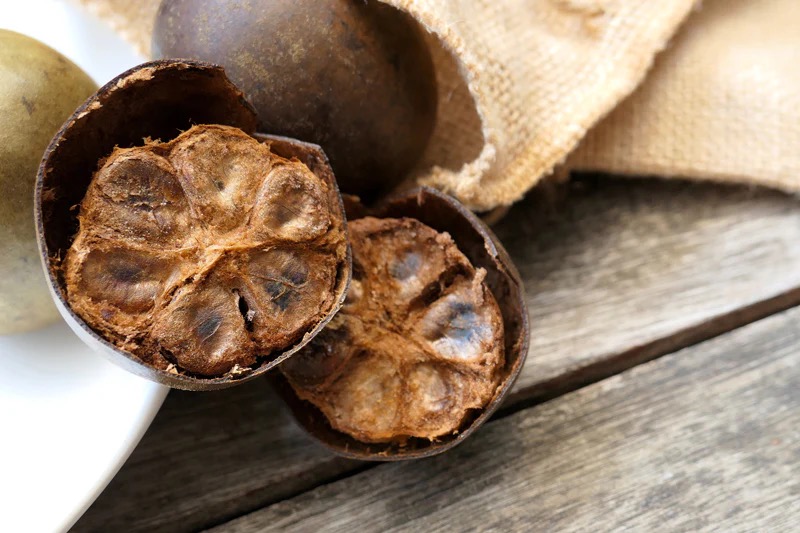
What is monk fruit extract? A natural sweetener derived from mogrosides, with zero or near-zero calories, suitable for sugar-reduction strategies in beverages, dairy, bakery, and dietary supplements. The extract is typically standardized to specific mogroside contents (e.g., mogroside V) to achieve consistent sweetness profiles. In Europe, regulatory clarity around labeling, usage, and allowable health claims supports market uptake for clean-label products. This section lays the foundation for understanding how German suppliers fit within global supply chains and how they partner with overseas manufacturers seeking private-label or custom-blend solutions.
- Clean-label demand and consumer preference for natural sweeteners. As German brands expand into low-sugar or sugar-free formulations, monk fruit extract provides a potent tool for sweetness without added sugars.
- Regulatory landscape and compliance. European food safety and labeling standards influence how monk fruit extracts are described on-pack and in nutrition declarations, necessitating partner suppliers who can provide documentation such as COA, specification sheets, and GRAS-like filings where applicable for international shipments.
- Supply chain considerations. Proximity to European customers reduces lead times, enhances communication, and supports just-in-time production for OEM/ODM collaborations, scale-up projects, and co-packaging opportunities.
- This section profiles notable German or Europe-based players active in monk fruit extract programs, including capabilities, product forms, and collaboration strengths. For each profile, the elements to capture include core products (monk fruit extract fractions, mogroside-rich blends, finished sweetener systems), applications (food, beverage, dietary supplements, nutraceuticals), certifications (GMP, ISO, organic, vegan), and OEM/ODM capabilities (blending, tablet/capsule production, private-label programs).
German/EU-based Monk Fruit Specialist
- Core products: Mogroside-rich monk fruit extract fractions; standardized mogroside V content; blended sweetener solutions for beverages and bakery applications.
- Applications: Ready-to-drink beverages, dairy alternatives, confectionery, and nutraceutical powders.
- Certifications: GMP, ISO 9001, HACCP, vegan/organic options.
- Capabilities: Formulation support, pilot-scale testing, private-label programs, co-packing and packaging options, regulatory documentation for EU markets.
European Ingredient Supplier with Monk Fruit Program
- Core products: Monk fruit extract concentrates, fine-powder forms, and syrup formats for beverage and dessert applications.
- Applications: Soft drinks, fruit-flavored waters, plant-based milks, yogurts, and desserts.
- Certifications: ISO 22000, GMP, allergen controls, and traceability systems.
- Capabilities: Custom blends, flavor-masking approaches, scale-up for batch production, and rapid QC release testing.
European R&D and Contract Manufacturing Partner
- Core products: Custom monk fruit extract blends tailored to customer sweetness targets; seed-to-shelf development for dietary supplement forms.
- Applications: Tablets, capsules, and soft-gels; functional foods; nutrition bars.
- Certifications: GMP, ISO, pharmaceutical-grade quality controls; ISOs aligned with food and pharma sectors.
- Capabilities: OEM/ODM support, formulation optimization, stability studies, packaging design assistance, and regulatory labeling reviews.
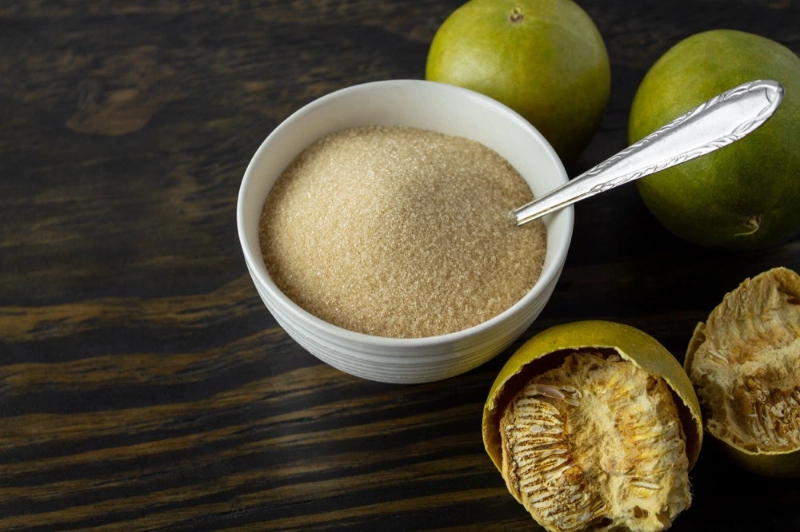
- Ingredient purity and standardization. Look for mogroside content specification, minimum purity levels, absence of contaminants, and robust analytical methods (HPLC, LC-MS).
- Form factors. Powder, liquid, syrup, encapsulated blends, and finished dosage forms (tablets/capsules) should align with your product strategy.
- Regulatory readiness. Confirm EU approvals, labeling guidance, allergen controls, and ability to provide COA, MSDS, and technical documentation in multiple languages.
- Custom formulation and private-label options. Assess whether the supplier can develop exclusive blends, provide OEM/ODM services, and support scale-up from pilot to full production.
- Quality assurance and testing. Ensure a documented QA program, including batch traceability, microbial testing, heavy metals screening, pesticide residue checks, and stability testing.
- RFP checklist. Include target mogroside content, desired sweetness equivalence, recommended form factors, packaging sizes, and required regulatory documentation.
- Sample testing and pilot trials. Request representative samples; run bench-top and pilot-scale sweetness and taste tests; evaluate stability under intended processing conditions (heat, moisture, pH).
- Scale-up considerations. Align production timelines, storage conditions, shelf life, and supplier readiness for international shipment, including incoterms and packaging requirements.
- IP and contractual terms. Define confidentiality, IP ownership for customized formulations, minimum order quantities, and pricing structures with clear termination clauses.
- Beverage applications. Formulate zero-sugar or reduced-sugar drinks with monk fruit extract to achieve clean sweetness without aftertaste, while maintaining mouthfeel and flavor balance.
- Dairy and plant-based beverages. Integrate monk fruit extract with other sweeteners to optimize sweetness profile, preventing crystallization or graininess in powders and liquids.
- Bakery and confectionery. Use monk fruit extract blends to replace sugar in cookies, chocolates, and candies, focusing on texture, browning, and moisture retention.
- Dietary supplements and nutraceuticals. Produce powder blends and tablet formulations that deliver consistent sweetness without compromising bioavailability or stability.
- Core competencies. Natural sweeteners, functional polyols, and dietary fibers form the backbone of product portfolios for food, beverage, and healthcare sectors.
- Blended-sweetener development. Expertise in designing tailored sweetness systems that combine monk fruit extract with other high-intensity sweeteners or polyols to achieve sugar-like sweetness with improved mouthfeel and reduced aftertaste.
- Tablet production and OEM/ODM. Capability to scale from R&D to commercial production, including formulation optimization, quality control, packaging development, and regulatory documentation support for overseas manufacturers.
- Global collaboration value proposition. Localized EU/regulatory knowledge, robust QA programs, and flexible supply arrangements that emphasize reliability, traceability, and long-term partnerships.
- Keyword strategy. Integrate "Monk Fruit Extract Manufacturers and Suppliers" naturally in headings and body text; use variations like "Luo Han Guo extract," "mogroside content," and "clean-label sweeteners" without keyword stuffing.
- Readability. Short paragraphs, ample headings, bullet lists, and visually distinct sub-sections improve scannability and dwell time.
- Internal and external linking. Where possible, link to regulatory resources, technical data sheets, and partner pages to strengthen article credibility (without compromising user experience).
Germany stands as a strategic hub for monk fruit extract supply in Europe, with local manufacturers offering regulatory alignment, regional quality assurance, and close collaboration capabilities. For overseas brands seeking reliable, scalable, and customizable sweetener solutions, partnering with a German Monk Fruit Extract Manufacturer or Supplier can streamline product development, shorten time-to-market, and ensure consistent quality across beverages, dairy, bakery, and dietary supplement applications. The combination of strong EU-compliant documentation, private-label and OEM/ODM capabilities, and coordinated quality management makes Germany a compelling gateway to the European market for monk fruit-based sweetness systems.
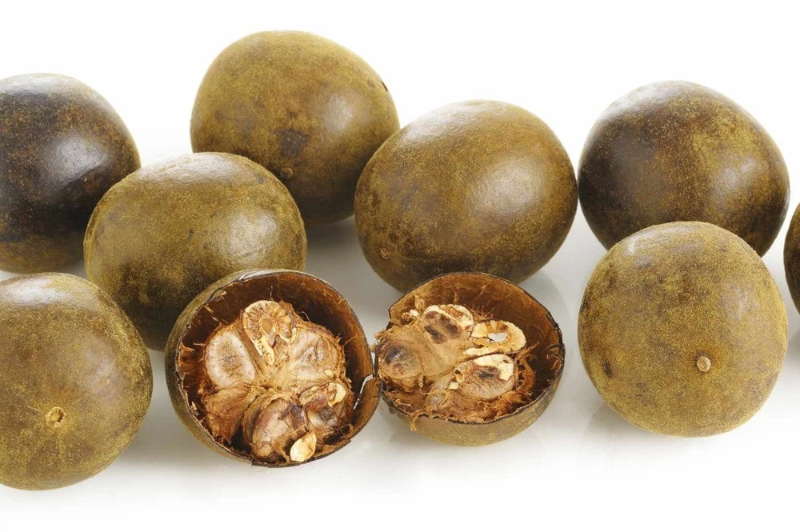
Monk fruit extract is a natural sweetener derived from mogrosides, primarily mogroside V, offering high-intensity sweetness with minimal calories. In Europe, it is used in beverages, dairy products, bakery items, and dietary supplements, often as part of sugar-reduction strategies and clean-label formulations.
Typical commercial monk fruit extracts are standardized to mogroside content ranges (e.g., 25–50% mogroside V), which directly influence sweetness intensity and aftertaste. Higher mogroside V levels generally provide stronger sweetness but may require formulation adjustments to balance flavor.
Monk fruit extracts are accepted in many EU markets as natural sweeteners, with labeling requirements that reflect their nature and any health claims. Suppliers should provide COA, usage guidance, and labeling support to ensure compliance with EU food information to consumers regulations.
Yes. Monk fruit extracts can be incorporated into tablets and capsules, either as a sweetener in functional formulations or as part of a taste-masking strategy for orally delivered products. OEM/ODM partners can assist with formulation, excipient compatibility, and packaging.
Criteria include purity and mogroside standardization, available product forms, regulatory documentation, certifications (GMP, ISO), OEM/ODM capabilities, track record with international brands, supply reliability, and ability to provide pilot-scale testing and full-scale production support.
[1](https://www.stmonk.com/news/monk-fruit-extract-factory_116.html)
[2](https://www.linkedin.com/pulse/in-depth-analysis-monk-fruit-extract-industry-chain-nutramax--igghc)
[3](https://pmc.ncbi.nlm.nih.gov/articles/PMC9108421/)
[4](https://www.fda.gov/files/food/published/GRAS-Notice-000627---Siraitia-grosvenorii-Swingle-(Luo-Han-Guo)-fruit-juice-concentrate.pdf)
[5](https://monkvee.com/blogs/monkvee-news/the-ultimate-guide-to-monk-fruit-processing)
[6](https://www.hielscher.com/ultrasonic-cold-water-extraction-of-mogrosides-from-monk-fruit.htm)
[7](https://efsa.onlinelibrary.wiley.com/doi/10.2903/j.efsa.2019.5921)
[8](https://www.reddit.com/r/keto/comments/opk3lq/monkfruit_banned_in_europe_i_asked_the_eu_here_is/)
[9](https://www.openpr.com/news/4070488/cost-estimation-to-setup-a-monk-fruit-extract-manufacturing)


