
Views: 222 Author: Sara Publish Time: 2025-09-23 Origin: Site


Content Menu
● Understanding Functional Polyols and Their Significance
● Major Functional Polyol Manufacturers in Argentina
>> Dow Chemical's Historical Presence and Industry Impact
>> Local Producers and Regional Suppliers
● Prominent Global Suppliers Accessible in Argentina
● Applications of Functional Polyols in Argentina's Market
● Market Trends and Innovations in Functional Polyols
● Challenges and Market Dynamics in Argentina
● Advantages of Partnering with Functional Polyol Manufacturers and Suppliers in Argentina
● Frequently Asked Questions (FAQs)
>> 1. What are functional polyols and why are they used?
>> 2. Who are the major functional polyol manufacturers in Argentina?
>> 3. What industries in Argentina utilize functional polyols most?
>> 4. How is sustainability influencing the functional polyol market?
>> 5. What services do manufacturers provide beyond product supply?
Functional polyols are vital components widely utilized in numerous industries such as food, beverage, healthcare, pharmaceuticals, personal care, and industrial manufacturing. Argentina, as an emerging and evolving market in South America, plays an essential role in the production and supply of functional polyols. This article aims to provide an in-depth analysis of the top functional polyol manufacturers and suppliers in Argentina while exploring the broader global context, applications, industry trends, market challenges, and future outlook.
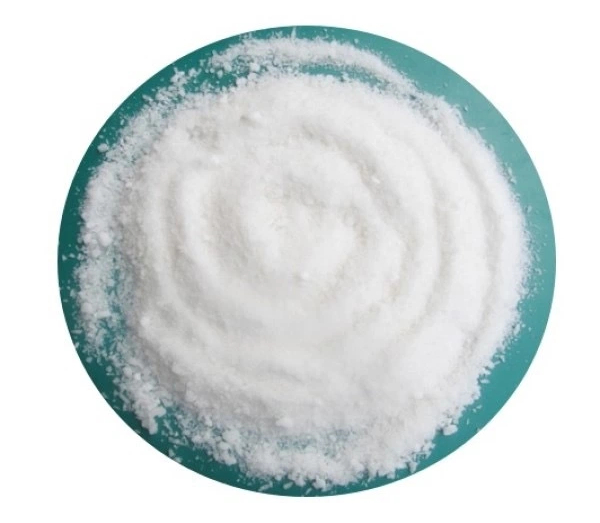
Functional polyols, a group of polyhydric alcohols characterized by the presence of multiple hydroxyl (-OH) groups, offer versatile chemical and physical properties. These qualities make them indispensable as sweeteners, texture enhancers, polymer intermediates, and chemical modifiers. They are extensively used in producing polyurethanes, adhesives, coatings, pharmaceuticals, and food formulations. Their molecular diversity enables tailored functionalities, such as moisture retention, sweetness enhancement, prebiotic benefits, and polymer crosslinking.
In Argentina, functional polyols address local needs spanning the industrial, healthcare, and food sectors, with an increasing focus on food-grade and pharmaceutical-grade products. Their use as low-calorie sweeteners and alternatives to sugar is gaining traction, especially given growing consumer health consciousness.
Dow Chemical historically operated a prominent polyether polyol manufacturing facility in San Lorenzo, Santa Fe province. However, in 2024, this plant was shut down due to global oversupply, market changes, and diminishing local production utilization rates. Despite this closure, Dow remains a dominant force worldwide, innovating in functional polyol technology and supplying various sectors globally, including Argentina.[1][9][10]
Argentina has several domestic manufacturers and suppliers catering to regional demand for functional polyols, mainly for industrial applications such as polyurethane intermediates. These companies often provide custom formulations, blends, and technical support tailored to client specifications. Despite facing competition from imported products, local players maintain strong market positions by focusing on specialized niches and customer service.
With changes in domestic production dynamics, international suppliers have intensified their presence in Argentina, offering a wide range of high-quality functional polyols. These global players prioritize:
- Sustainability by integrating plant-based raw materials and eco-friendly fermentation methods.
- Comprehensive product portfolios that include sorbitol, maltitol, xylitol, and other functional sugar alcohols used in healthcare and food industries.
- Advanced manufacturing capabilities, delivering customized polyol blends for pharmaceutical tablets, blended sweeteners, and industrial applications.[4][11][1]
Functional polyols serve as key ingredients in multiple Argentine industries:
- Food and Beverage Sector: Utilized as sugar substitutes with lower caloric content, improving texture and flavor profile in confectionery, baked goods, and beverages.
- Healthcare and Pharmaceutical Industry: Provide moisture retention, stability, and texture in medicinal formulations, tablets, and supplements.
- Industrial Sector: Core components in polyurethane production for foams, adhesives, coatings, and sealants due to their chemical reactivity and durability.
Extensive use cases in flexible and rigid polyurethane foams, adhesives, sealants, coatings, and elastomers underscore the critical role of polyols in Argentina's manufacturing landscape, supported by both local and global suppliers.[2][6]

The global high purity polyol market, including Argentina, is showing robust growth, propelled by expanding end-use sectors such as automotive, construction, electronics, and consumer goods. Technological innovations focus on producing sustainable, bio-based polyols that align with environmental regulations and green procurement policies.
Emphasizing plant-derived raw materials allows producers to reduce carbon footprints and comply with regulatory sustainability standards. The trend towards bio-based polyols is transforming traditional petrochemical polyol manufacturing by offering biodegradable, low-toxicity alternatives suitable for emerging circular economy models.[1][4]
- Capacity Adjustments: The closure of large-scale plants like Dow's facility means local producers must adjust capacity or rely on imports.
- Economic and Supply Chain Pressures: Fluctuating raw material costs and global supply chain instability impact pricing and availability.
- Regulatory Compliance: Ensuring food-grade and pharmaceutical-grade polyols meet international and local safety standards remains critical.
- Competition from Global Players: Imported products with sustainable certifications challenge local manufacturers to innovate and differentiate.[9][1]
- Tailored Solutions: Many suppliers provide OEM/ODM services, offering customized polyol blends and formulations to meet specific customer needs.
- Quality Assurance: Adherence to rigorous quality and safety standards, especially for sensitive sectors like food and pharmaceuticals.
- Sustainability Focus: Increasing availability of eco-friendly, bio-based polyol options supports environmental and corporate sustainability goals.
- Technical Expertise: Comprehensive support from formulation guidance to end-use applications ensures effective product utilization.
Argentina's functional polyol manufacturing and supply sector is navigating an evolving landscape characterized by changes in local production capacity, increasing reliance on global suppliers, and rising demand for sustainable, high-quality polyols. Despite challenges such as plant closures and market pressures, opportunities abound through innovation, sustainable sourcing, and expanding applications in food, healthcare, and industrial sectors. For businesses seeking high-value functional polyol products, Argentina represents a strategic market with diverse supplier options offering customized solutions that align with modern industry requirements.

Functional polyols are polyhydric alcohols with multiple hydroxyl groups, used for their chemical versatility in producing sweeteners, pharmaceuticals, polyurethanes, adhesives, and coatings. They enhance texture, moisture retention, and serve as low-calorie sugar alternatives.[11][9]
Dow Chemical was a key player with its San Lorenzo plant, which closed in 2024. Presently, a mix of local suppliers and global manufacturers serve the Argentine market with customized functional polyols.[6][10][9]
Functional polyols are primarily used in food and beverage, healthcare, pharmaceuticals, and industrial applications such as polyurethane manufacturing, coatings, and adhesives.[2][4]
There is a strong shift toward bio-based and eco-friendly polyols derived from renewable resources. This trend supports regulatory compliance, reduces environmental impact, and aligns with consumer demand for green products.[4][1]
Many offer OEM/ODM partnerships, technical formulation support, and tailored polyol blends to meet unique customer specifications and applications, ensuring optimized end-product performance.[6][11]
[1](https://www.marketreportanalytics.com/reports/high-purity-polyol-174620)
[2](https://www.gantrade.com/blog/ppg-polyether-polyols)
[3](https://www.archivemarketresearch.com/reports/functional-polyurethane-resin-376142)
[4](https://www.marketsandmarkets.com/Market-Reports/polyols-market-725.html)
[5](https://www.cognitivemarketresearch.com/regional-analysis/south-america-polyurethane-chemcials-market-report)
[6](https://www.gantrade.com/products/polyols)
[7](https://sk-fp.com)
[8](https://www.researchandmarkets.com/reports/5686633/2025-polyether-polyols-market-outlook-report)
[9](https://www.icis.com/explore/resources/news/2024/10/09/11039682/dow-shuts-argentina-polyols-plant-on-global-oversupply/)
[10](https://www.irobiocide.com/dow-chemical-closes-polyol-plant-in-argentina/)
[11](https://www.adm.com/en-us/products-services/industrial-biosolutions/products/polyols/)


