
Views: 222 Author: Sara Publish Time: 2025-07-28 Origin: Site


Content Menu
● How Are Sucralose and Aspartame Used in the Food Industry?
● Are There Any Sucralose Products Containing Aspartame?
● Environmental Considerations
● Market Trends and Consumer Preferences
● FAQ
>> 1. What is the main chemical difference between sucralose and aspartame?
>> 2. Can sucralose be used in baking, unlike aspartame?
>> 3. Are there any health concerns with consuming sucralose or aspartame?
>> 4. Do sucralose products contain calories?
>> 5. Are blends of sucralose and aspartame common in sweetener products?
In the realm of artificial sweeteners, sucralose and aspartame are two commonly used substances, but they are distinct compounds with different chemical structures, sources, and properties. To answer the core question: There is no aspartame in sucralose; sucralose is a separate sweetener chemically unrelated to aspartame, and it does not contain aspartame as an ingredient.
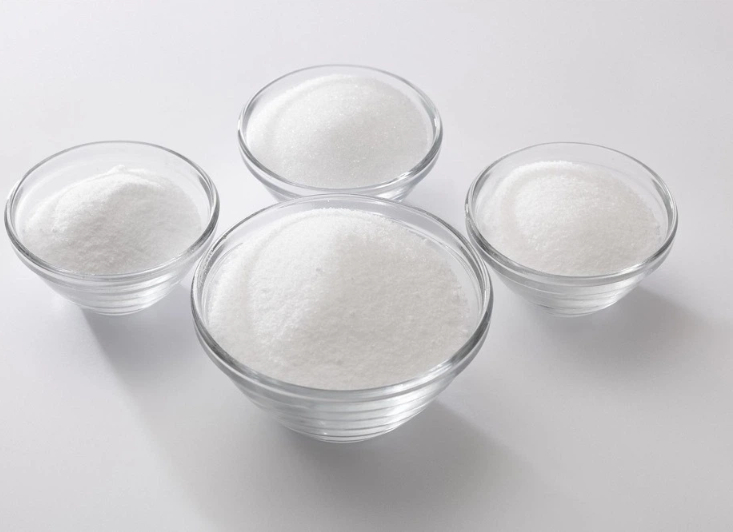
Sucralose is a zero-calorie artificial sweetener derived from common table sugar (sucrose). It is produced by a chemical process that replaces three hydroxyl (OH) groups in sugar molecules with chlorine atoms. This modification makes sucralose about 600 times sweeter than sugar, without providing calories since sucralose is not metabolized by the body. It is stable under heat, making it suitable for cooking and baking.
Sucralose products, such as the popular brand Splenda, typically contain small amounts of fillers like maltodextrin and dextrose. These fillers add a few calories but are mainly used to provide bulk and texture similar to sugar. Sucralose itself is non-nutritive (virtually calorie-free).
Beyond its sweetness, sucralose has other important functional properties. It dissolves well in water, making it suitable for beverages and food products. Additionally, its stability in various pH ranges allows its use in acidic drinks, jams, and sauces. Sucralose does not ferment in the mouth, thus it does not contribute to tooth decay. It has become a preferred sweetener in many sugar-free and reduced-calorie foods due to these characteristics.
Aspartame is a different artificial sweetener, about 200 times sweeter than sugar, and it is considered a nutritive sweetener because it contains some calories — though used in very small amounts, so the caloric impact is minimal. Aspartame is a dipeptide composed of two amino acids: phenylalanine and aspartic acid. Unlike sucralose, aspartame is not heat stable and loses its sweetness when exposed to high temperatures, limiting its use in baked goods.
Aspartame is sold under brand names like NutraSweet and Equal. It is widely used in beverages, chewing gums, and sugar-free foods where heating is not involved.
The metabolism of aspartame in the human body breaks it down into its amino acid components and a small amount of methanol. Because of this, aspartame is further scrutinized regarding safety for certain populations and has a strict warning for individuals with phenylketonuria (PKU), a rare genetic disorder that prevents metabolism of phenylalanine. Moreover, while aspartame is approved by regulatory agencies worldwide, it has been the subject of debate and research concerning neurological and metabolic effects, though scientific consensus currently regards it as safe at approved usage levels.
Aspartame's taste profile is slightly different from sucralose. Some consumers detect a mild bitter or metallic aftertaste, which is sometimes masked by blending with other sweeteners. Its suitability in non-heated products allows it to be used in diet sodas and other beverages that are consumed cold.
The food and beverage industry chooses sweeteners based on functional properties, taste profile, stability, and intended use of the product. Sucralose's heat stability and sugar-like taste make it ideal for baked goods, frozen desserts, sauces, and beverages. Its non-metabolizable nature aligns well with products targeting diabetics and weight-conscious consumers.
Aspartame, due to heat sensitivity, finds its place mostly in soft drinks, tabletop sweeteners, chewing gum, and dairy products that do not require cooking—offering a sugar-like sweetness without the calories. Sometimes, manufacturers blend aspartame with other sweeteners like acesulfame potassium or sucralose to enhance taste, reduce aftertaste, or achieve a specific sweetness magnitude.
Despite their differences, both sweeteners are part of the larger market trend toward reducing sugar intake globally, responding to the public health challenge of obesity, diabetes, and dental caries.

Generally, sucralose and aspartame are used independently or in blends with other sweeteners, but pure sucralose products do not contain aspartame. That said, in the industry, some blended sweetener products may combine multiple sweeteners, including aspartame and sucralose, to achieve desired sweetness profiles or reduce aftertaste. However, such formulations are explicitly labeled, and one does not imply the other is present automatically.
Manufacturers may create mixed sweeteners by combining sucralose with other sweeteners such as acesulfame potassium or even aspartame in some cases, but these are separate blends, not pure sucralose. Therefore, if you are buying a product labeled as sucralose only, it will NOT contain aspartame.
The labeling and transparency in food products are strictly regulated in many countries to protect consumers. If aspartame is used, it must be declared on ingredient lists due to allergy concerns and regulatory requirements. Consumers with sensitivities, especially those with PKU, must read labels carefully to avoid accidental consumption.
Both sucralose and aspartame are approved by regulatory authorities such as the U.S. Food and Drug Administration (FDA), the European Food Safety Authority (EFSA), and other global organizations for use as food additives and sweeteners. Acceptable daily intake (ADI) levels are established to ensure safety for the general population.
- Sucralose is considered very safe and well tolerated at normal consumption levels, with an ADI of about 5 mg/kg body weight.
- Aspartame is also deemed safe for the majority of the population except individuals with phenylketonuria (PKU), who must avoid phenylalanine-containing products.
Scientific studies have examined potential risks related to cancer, metabolic disruption, gut microbiome changes, and neurological effects for both sweeteners. Current evidence supports their safety within established consumption limits. Nevertheless, individuals are encouraged to moderate intake of artificial sweeteners as part of a balanced diet.
Neither sucralose nor aspartame contribute to tooth decay or significant glycemic impact, making them popular in diabetic-friendly and low-calorie foods. Both sweeteners assist in reducing sugar consumption, aligning with public health goals to minimize risks associated with excessive sugar intake.
An emerging topic is the environmental impact of artificial sweeteners. Sucralose, due to its stable chlorine atoms, is resistant to breakdown in wastewater treatment plants and can accumulate in waterways. Researchers are investigating potential ecological effects related to chronic exposure of aquatic life to sucralose residues.
Aspartame, in contrast, degrades more readily because it breaks down into natural amino acids and methanol after consumption and disposal. Although environmental impact is currently considered low, ongoing research aims to understand long-term consequences better.
Food manufacturers and regulatory bodies are increasingly aware of sustainability and environmental safety, and this may influence future regulation and innovation in sweetener development.
The global demand for sugar substitutes has grown rapidly, driven by increasing health awareness and rising prevalence of diabetes and obesity. Sucralose holds a significant market share due to its favorable functional properties and safety profile. Aspartame, although still widely used, faces competition from newer sweeteners and natural alternatives such as stevia and monk fruit extract.
Consumers often consider taste, ingredient origins, and naturalness when selecting products. Some consumers prefer natural sweeteners, avoiding artificial ones due to perceived health concerns or taste preferences. However, sucralose and aspartame remain key ingredients in many diet sodas, sugar-free candies, and light food products, demonstrating ongoing relevance.
Manufacturers continuously innovate, combining sweeteners to optimize taste and cost while meeting regulatory standards and consumer demands.
Sucralose does not contain aspartame. These are two chemically and functionally distinct artificial sweeteners used widely as sugar substitutes. Sucralose is derived from sugar by chlorination, is heat stable, and calorie-free. Aspartame is synthesized from amino acids, provides minimal calories, but is heat sensitive. While some sweetener mixtures might combine both, sucralose on its own or in pure formulations does not have aspartame. Both have undergone extensive safety testing and regulation, making them safe alternatives for reducing sugar intake.
Consumers should always read ingredient labels carefully, especially if they have health conditions such as phenylketonuria. Understanding the differences helps guide informed choices regarding sweetener consumption for health, culinary, and lifestyle needs.

Sucralose is a chlorinated sugar molecule, while aspartame is a dipeptide made from amino acids phenylalanine and aspartic acid.
Yes, sucralose is heat stable and can be used in baking, whereas aspartame loses sweetness and breaks down with heat.
Both sweeteners have been tested and approved by regulatory agencies; however, individuals with phenylketonuria (PKU) should avoid aspartame due to phenylalanine content.
Pure sucralose contains no calories, but sucralose products often include fillers that add minimal calories.
Some commercial sweetener blends may combine sucralose with aspartame or other sweeteners for taste and texture, but pure sucralose products do not contain aspartame.


