


Content Menu
● Potential Risks of Sweeteners
● Natural vs. Artificial Sweeteners
● Sweeteners in Food and Beverages
● Sweeteners in Healthcare and Wellness
● Regulatory Landscape and Innovations
● Incorporating Sweeteners Daily
● FAQ
>> 1. Are natural sweeteners better than artificial ones?
>> 2. Can sweeteners cause weight gain?
>> 3. Is stevia a safe sweetener?
>> 4. Do sweeteners affect gut health?
>> 5. How much sweetener is safe daily?
Sweeteners provide a compelling low-calorie alternative to traditional sugar, widely used in foods, beverages, and healthcare products across the globe. Whether sweetener is good for you hinges on factors like the specific type, dosage, individual health conditions, and overall dietary context, with natural sweeteners often standing out for their cleaner profiles and health-aligned benefits. This in-depth exploration delves into the world of sweeteners, examining their types, advantages, potential drawbacks, applications, and innovations to help you make informed choices.
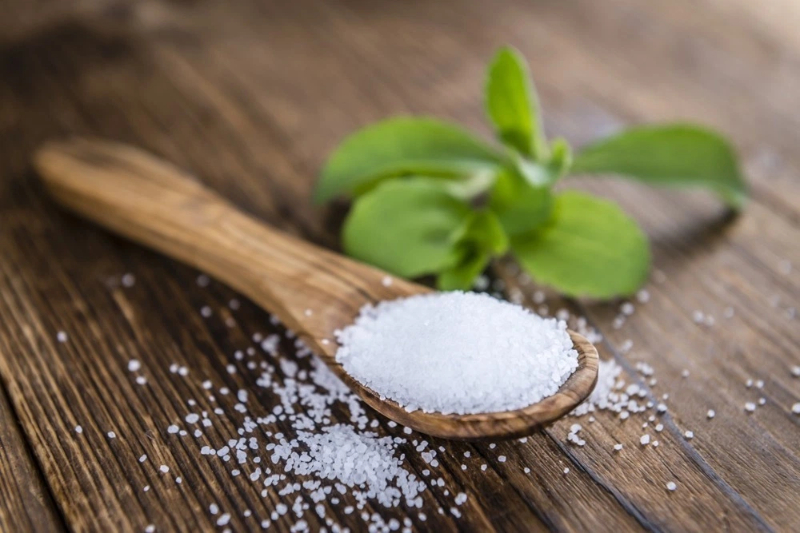
Sweeteners span a diverse range, including artificial, natural, and sugar alcohols, each bringing distinct attributes to the table. Artificial sweeteners such as aspartame, sucralose, and saccharin deliver exceptional sweetness—hundreds of times greater than sugar—with virtually zero calories, making them staples in diet sodas and sugar-free gums. These synthetic options excel in heat stability, perfect for cooking and baking where sugar's bulk is unnecessary.
Natural sweeteners, derived from plant sources like stevia leaf extracts, monk fruit, and Luo Han Guo, have surged in popularity due to consumer demand for clean-label ingredients. Stevia, in particular, offers a zero-calorie profile with no impact on blood glucose, ideal for diabetics and those pursuing low-carb lifestyles. Our Chinese factory specializes in high-purity stevia glycosides, blending them seamlessly for superior taste without the bitter aftertaste often associated with crude extracts.
Sugar alcohols, or polyols, like erythritol, xylitol, maltitol, and sorbitol, provide a middle ground: they mimic sugar's texture and mouthfeel while contributing fewer calories and a lower glycemic index. These functional polyols are key in chewing gums, candies, and low-sugar baked goods, where they prevent crystallization and maintain moisture. In our OEM/ODM services, we formulate sweetener blends incorporating dietary fibers such as inulin or resistant starch, enhancing both sweetness and nutritional value for food, beverage, and medical applications.
The primary appeal of sweeteners lies in their ability to slash calorie intake without sacrificing the pleasure of sweetness, a game-changer for weight management programs worldwide. By replacing sugar in everyday items like coffee, yogurt, and cereals, sweeteners enable consumers to reduce daily caloric load by up to 50% in sweetened beverages alone, supporting sustainable weight loss efforts. Natural sweeteners like stevia further aid metabolic health by not triggering insulin spikes, making them invaluable for individuals with prediabetes or type 2 diabetes.
In the realm of dental health, sweeteners shine brightly: unlike sugar, which fuels cavity-causing bacteria, polyols like xylitol actively inhibit plaque formation and promote saliva production, reducing the risk of tooth decay. This makes xylitol-sweetened gums a dentist-recommended choice for oral hygiene. For athletes and active lifestyles, functional sweeteners in sports drinks provide hydration and energy replenishment minus the sugar crash, allowing sustained performance.
Healthcare benefits extend to patient compliance, where palatable sweetener formulations turn bitter medications into acceptable chewable tablets, syrups, and dissolvable strips. Dietary fibers integrated into sweetener mixes boost gut health by acting as prebiotics, fostering beneficial bacteria and improving digestion. Our factory's expertise in mixed sweeteners ensures these blends deliver consistent sweetness, texture, and stability, tailored for international manufacturers in the food, beverage, and nutraceutical sectors.
Beyond basics, sweeteners contribute to broader wellness: they help regulate blood pressure in low-sodium diets by flavoring without added salt, and certain natural variants like monk fruit possess antioxidant properties that combat oxidative stress. In aging populations, low-calorie sweeteners preserve bone health indirectly by curbing sugar-induced inflammation. Video demonstrations often showcase how seamlessly sweeteners integrate into recipes, from zero-sugar cakes to fruit-infused waters, proving their versatility in modern kitchens.
While sweeteners offer clear upsides, not all are without caveats, particularly with artificial varieties consumed in excess. Some studies link high intake of artificial sweeteners to alterations in gut microbiota, potentially disrupting digestion and metabolism over time. For instance, saccharin and sucralose have shown in animal models to influence glucose tolerance, though human data remains mixed and often confounded by overall diet quality.
Sugar alcohols, despite their benefits, can cause gastrointestinal discomfort—bloating, gas, or laxative effects—when exceeding 20-50 grams daily, due to their incomplete absorption in the intestines. Sensitive individuals might experience these from large servings of sugar-free chocolates or mints. Artificial sweeteners like aspartame have faced scrutiny for phenylalanine content, posing risks for those with rare phenylketonuria (PKU), though regulatory bodies deem them safe for the general population within acceptable daily intakes (ADIs).
Long-term observational data sometimes correlates diet soda consumption—laden with sweeteners—with increased cardiovascular risks or metabolic syndrome, but experts caution against causation claims, citing reverse causality where overweight individuals opt for diet drinks. Natural sweeteners generally fare better, exhibiting fewer side effects; stevia, for example, may even support blood pressure reduction. Moderation is paramount: blending sweeteners mitigates individual drawbacks, a core strength of our factory's customized formulations that balance taste, safety, and efficacy.
Emerging research explores sweetener interactions with medications or microbiomes, underscoring the need for personalized approaches. Pregnant women and children should prioritize natural sweeteners, avoiding over-reliance on synthetics until more longitudinal studies emerge.
| Aspect | Natural Sweeteners (e.g., Stevia, Monk Fruit) | Artificial Sweeteners (e.g., Aspartame, Sucralose) |
|---|---|---|
| Source | Plant-derived, minimally processed | Chemically synthesized |
| Caloric Impact | Zero calories, low glycemic | Zero calories, no glycemic rise |
| Gut Health Effects | Generally supportive or neutral | Potential microbiota shifts in high doses |
| Taste Profile | Improving with blends, less aftertaste | Intense, clean but possible metallic notes |
| Heat Stability | Variable; blends excel in baking | Excellent for cooking and processing |
| Regulatory Status | GRAS by FDA, booming in clean-label markets | Approved with ADIs (e.g., aspartame 50mg/kg) |
| Best Applications | Beverages, tablets, OEM health products | Diet foods, tabletop powders |
Natural sweeteners dominate trends toward transparency and sustainability, with our factory leading in stevia and polyol innovations for global OEM partners. Artificial options persist where cost and potency matter most, but natural sweetener blends offer a superior synergy for health-focused products.
In the beverage industry, sweeteners enable the zero-sugar revolution, from sparkling waters to energy drinks that match sugar-sweetened rivals in flavor complexity. Erythritol-stevia combos provide upfront sweetness with a lingering clean finish, crucial for repeat consumer loyalty. Our solutions cater to food factories producing juices, teas, and functional waters, where precise sweetener dosing ensures shelf stability and pH balance.
Baking presents unique challenges that polyols master: maltitol retains moisture in cookies, while allulose—a rare natural sweetener—browns like sugar for picture-perfect pastries. In confectionery, xylitol crystals deliver crunch without cavities, revolutionizing candy production. For ready-to-eat meals and sauces, sweeteners mask bitterness from vegetables or herbs, elevating everyday foods.
Healthcare leverages sweeteners for life-enhancing products: dissolvable tablets for vitamins use stevia for elder-friendly sweetness, while fiber-sweetener syrups aid pediatric nutrition. Our ODM services develop compressed tablets with uniform sweetener distribution, ensuring bioavailability and taste in pharmaceuticals.
Wellness trends amplify sweetener roles in meal replacements, protein bars, and keto products, where they curb cravings and stabilize energy. Polyols like inositol double as cognitive supporters, blending sweetness with mental clarity benefits. Natural sweeteners in sleep aids or stress-relief gummies promote holistic health without caloric penalties.
Rigorous approvals from FDA, EFSA, and China's NHC affirm sweetener safety, with natural options accelerating under sugar-tax pressures. China excels in stevia supply chains, exporting premium glycosides worldwide. Innovations like fermented sweeteners and enzyme-modified polyols promise even sugar-like replication.
Our factory pioneers multi-functional sweetener systems, integrating fibers for low-net-carb claims and sustained release in supplements.
Start small: swap sugar in tea with stevia drops, or use erythritol in smoothies. Experiment with blends for baking triumphs. Track benefits like steady energy and weigh-ins to personalize sweetener strategies.
Sweeteners, especially natural and blended varieties like stevia glycosides and functional polyols, prove largely beneficial when integrated thoughtfully into diets. They facilitate sugar reduction, bolster metabolic health, enhance product palatability, and support industries from food to pharma—hallmarks of our factory's OEM/ODM excellence. While moderation addresses minor risks, the evidence tilts toward sweeteners as allies for wellness, weight control, and innovation. Choose high-quality, plant-based sweeteners for optimal health outcomes.
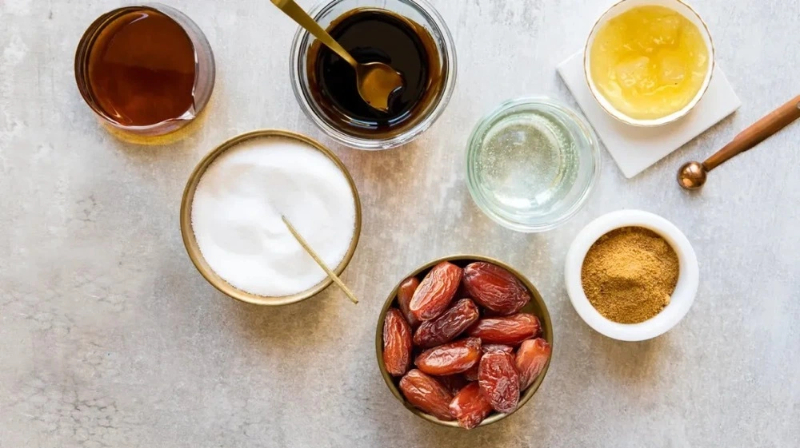
Natural sweeteners like stevia outperform artificial counterparts by avoiding potential gut disruptions and aligning with clean-label demands, offering zero calories and metabolic support ideal for long-term use.
No, sweeteners typically promote weight loss by replacing high-calorie sugar, though overconsumption of certain polyols may lead to temporary bloating; natural blends enhance satiety for better results.
Absolutely, stevia is GRAS-approved, plant-sourced, and excels in blood sugar control, with our factory producing ultra-pure versions for beverages, tablets, and health products.
Artificial sweeteners might alter microbiota at high doses, but natural options and fiber-enriched blends support digestion and prebiotic activity for overall gut wellness.
Adhere to ADIs—e.g., 50mg/kg for aspartame—and higher natural thresholds; blended sweeteners from experts ensure safe, effective daily intake across foods and drinks.


