


Content Menu
● Toxicity and Genotoxicity Concerns
● Impact on Gut Microbiome and Inflammation
● Metabolic and Endocrine Effects
● Effects on Reproductive Health
● Risks from Heating Sucralose
● Frequently Asked Questions about Sucralose Toxicity
>> 1. Is sucralose safe for regular consumption?
>> 2. How does heating sucralose affect its safety?
>> 3. Can sucralose contribute to diabetes or weight gain?
>> 4. Are there better alternatives to sucralose for sweetness?
>> 5. Does sucralose affect gut health?
Sucralose is a popular artificial sweetener used globally as a zero-calorie sugar substitute. Although it was initially considered safe, emerging scientific research from recent years reveals significant health concerns linked with its consumption. Studies indicate that sucralose can damage DNA, disrupt gut microbiota, promote inflammation, impair metabolic health, and may even increase cancer risk. These findings have raised alarms about the long-term safety of sucralose, especially when consumed frequently or heated during food preparation.
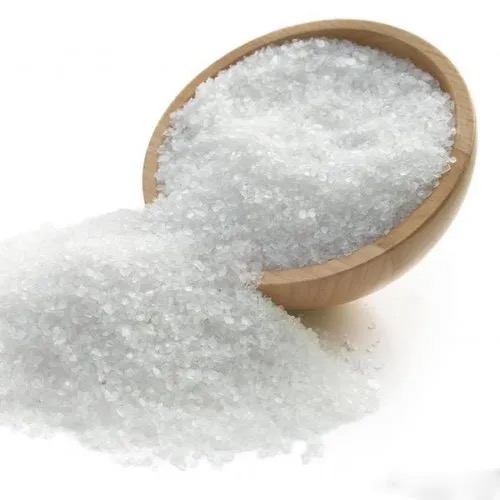
Sucralose is a synthetic sweetener approximately 600 times sweeter than regular sugar. It is widely incorporated in beverages, baked goods, dietary supplements, and other processed foods to provide sweetness without calories. Sucralose escapes metabolization by the human body largely unchanged, which initially led to its acceptance as a safe alternative to sugar. However, ongoing research challenges this assumption by uncovering harmful biological effects.
Recent groundbreaking studies have shown that a metabolite of sucralose called sucralose-6-acetate is genotoxic, meaning it causes damage to DNA in cells. Research led by North Carolina State University demonstrated that sucralose-6-acetate damages human blood cells' DNA and alters gene expression in gut epithelial cells linked to oxidative stress, inflammation, and carcinogenicity. This DNA damage disrupts normal cell function and can potentially initiate cancer development. Additionally, traces of sucralose-6-acetate exist in commercial sucralose products, increasing human exposure even before digestion.
Furthermore, these studies showed sucralose causes "leaky gut" by damaging the intestinal barrier, allowing harmful substances to infiltrate the body and escalate inflammation. The associated oxidative stress contributes to chronic diseases and worsens immune system responses.
Sucralose significantly alters the gut microbiota by reducing beneficial bacteria and promoting harmful bacterial growth. Experimental models revealed that this imbalance (dysbiosis) triggers low-grade inflammation and disrupts normal gut function. Inflammation is a known risk factor for diseases such as inflammatory bowel disease, metabolic syndrome, and colorectal cancer.
The heightened inflammatory response linked to sucralose can exacerbate existing gut disorders like Crohn's disease and impact gut barrier integrity. Particularly concerning is that sucralose consumption during pregnancy adversely affects offspring's gut development and immune function, implying multi-generational effects.
While sucralose was considered metabolically inert, accumulating evidence suggests otherwise. Studies in humans and animal models indicate that sucralose impairs insulin sensitivity, a key factor in the development of type 2 diabetes. Individuals consuming sucralose have shown reduced acute insulin response and altered glucose metabolism, raising concerns about chronic consumption leading to metabolic disorders.
Additionally, sucralose has been implicated in weight gain and increased appetite despite its zero-calorie label. One recent study linked sucralose intake with brain changes increasing hunger signals, which can promote overeating and obesity.
Newer research highlights sucralose's negative effects on male reproductive physiology. Studies in mice demonstrate that sucralose induces oxidative stress in testicular cells, disrupts autophagy (cellular cleaning processes), reduces sperm cell viability, and impairs fertility. These findings suggest that excessive consumption might contribute to male infertility risks.
Sucralose is stable under normal conditions, but heating it—commonly done in baking or cooking—can produce toxic chloropropanol compounds. These substances have carcinogenic potential and may increase cancer risk when consumed regularly through heated foods containing sucralose.
Although many food regulatory bodies worldwide have approved sucralose for human consumption, ongoing findings have prompted calls for reevaluation of its safety. Agencies may reconsider acceptable daily intake levels based on new molecular evidence showing genotoxicity and metabolic interference.
In light of these concerns, health experts often recommend limiting sucralose intake, especially in processed baked goods or heated products. Consumers are advised to consider safer alternatives such as natural sweeteners like stevia or monk fruit, which have demonstrated better safety profiles.
Sucralose, once hailed as a safe artificial sweetener, is now linked with multiple health risks including DNA damage, gut microbiome disruption, inflammation, adverse metabolic effects, reproductive toxicity, and potential cancer risk. These hazards are exacerbated when sucralose is heated. Given the emerging evidence, prudent consumption and exploration of safer sweetener alternatives are warranted. Continued research, especially human trials, remain essential to fully understand sucralose's long-term impact on health and refine regulatory guidelines accordingly.
While sucralose is widely approved and consumed, recent scientific evidence reveals it can cause DNA damage, inflammation, and metabolic disruptions, raising concerns about its safety with regular or high intake.
Heating sucralose generates toxic compounds like chloropropanols that carry carcinogenic risks, making heated sucralose-containing foods potentially more harmful.
Yes, sucralose consumption has been linked to impaired insulin sensitivity, altered glucose metabolism, increased appetite, and weight gain, all factors associated with diabetes and obesity.
Natural sweeteners such as stevia and monk fruit are considered safer and do not demonstrate the harmful effects linked to sucralose.
Sucralose disrupts the gut microbiome balance, damages intestinal barriers, and promotes inflammation, which can lead to digestive problems and disease.
[1](https://www.medicalnewstoday.com/articles/a-chemical-found-in-common-artificial-sweetener-may-cause-dna-damage-cancer)
[2](https://usrtk.org/sweeteners/sucralose-emerging-science-reveals-health-risks/)
[3](https://www.earth.com/news/popular-sweetener-sucralose-generates-substance-in-body-that-damages-dna/)
[4](https://pmc.ncbi.nlm.nih.gov/articles/PMC12251854/)
[5](https://pmc.ncbi.nlm.nih.gov/articles/PMC10971371/)
[6](https://www.cnn.com/2025/03/29/health/artificial-sweetener-sucralose-hunger-signals-wellness)
[7](https://www.sciencedirect.com/science/article/abs/pii/S0278691500000235)
[8](https://www.fda.gov/food/food-additives-petitions/aspartame-and-other-sweeteners-food)
[9](https://www.frontiersin.org/journals/nutrition/articles/10.3389/fnut.2024.1387646/full)
[10](https://www.nature.com/articles/s41586-023-05801-6)


