


Content Menu
● Regulatory Approvals for Sucralose
● Scientific Evidence Supporting Sucralose Safety
● Key Benefits of Sucralose Consumption
● How Sucralose Is Metabolized in the Body
● Addressing Potential Concerns with Sucralose
● Sucralose for Special Populations
● Comparing Sucralose to Other Sweeteners
● Long-Term Studies and Real-World Use
● Sucralose in Modern Food Production
● FAQ
>> 1. Is Sucralose Safe for Daily Consumption?
>> 2. Does Sucralose Raise Blood Sugar?
>> 3. Can Sucralose Disrupt Gut Health?
>> 4. Is Sucralose Safe in Pregnancy?
>> 5. Why Choose Sucralose Over Other Sweeteners?
Sucralose is one of the most popular artificial sweeteners worldwide, valued for its exceptional sweetness and calorie-free nature. This comprehensive article examines the safety of sucralose consumption in depth, relying on extensive scientific research, regulatory approvals, and clinical data to determine if sucralose is safe to eat for everyday use.[1][2]
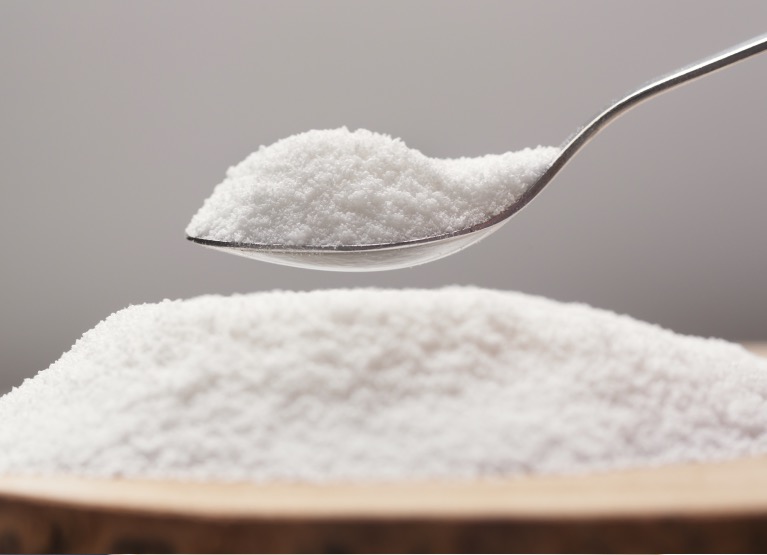
Sucralose is a zero-calorie sweetener derived directly from sugar, specifically sucrose, through a chemical modification process where three hydroxyl groups are replaced with chlorine atoms. This alteration makes sucralose approximately 600 times sweeter than regular table sugar, allowing tiny amounts of sucralose to deliver powerful sweetness without adding calories. Unlike natural sugars, sucralose does not contribute to energy intake because the body does not metabolize it effectively, positioning sucralose as a go-to option for diet sodas, sugar-free gums, baked goods, and countless low-calorie products.[3][4]
The development of sucralose began in 1976 when British researchers at Tate & Lyle accidentally created it while exploring new sugar derivatives. Rigorous testing followed, with over 100 safety studies conducted before sucralose gained approval for commercial use. Sucralose's high stability sets it apart; it withstands high temperatures up to 350°F and acidic environments, making sucralose ideal for cooking, baking, and processing in food manufacturing. Factories specializing in sweeteners, like those providing OEM/ODM services for food and beverage industries, often incorporate sucralose into blended formulations with natural fibers and polyols to create superior taste profiles without compromising health benefits.[5]
Sucralose's molecular structure ensures it remains intact through the digestive process, unlike many other sweeteners that break down. This durability allows sucralose to be used in a wide array of applications, from beverages to pharmaceuticals, where consistent sweetness is crucial. In the context of health solutions for the food, beverage, and healthcare sectors, sucralose serves as a cornerstone for developing reduced-sugar products that meet global consumer demands for healthier options.[6]
Sucralose has undergone exhaustive reviews by leading global health authorities, all of which have affirmed its safety for human consumption. The U.S. Food and Drug Administration (FDA) first approved sucralose in 1998 for use in specific foods like soft drinks, later expanding approval to general-purpose sweetener status in 1999. This decision came after evaluating more than 110 high-quality studies spanning two decades, which demonstrated no evidence of cancer, reproductive toxicity, neurological effects, or other harms from sucralose exposure.[2][7]
The European Food Safety Authority (EFSA) conducted a comprehensive re-evaluation in 2017, confirming sucralose's safety and establishing an acceptable daily intake (ADI) of 15 mg per kg of body weight—equivalent to about 23 packets of Splenda per day for a 150-pound adult. Similarly, the Joint FAO/WHO Expert Committee on Food Additives (JECFA) and Health Canada have endorsed sucralose, with approvals extending to over 100 countries including Japan, Australia, and the European Union. These bodies emphasize that average sucralose consumption remains well below ADI levels, typically at 1-2 mg/kg daily, providing a substantial safety margin.[4][1]
Regulatory consensus underscores sucralose's reliability, with ongoing post-market surveillance reinforcing that sucralose poses no public health risks. For manufacturers offering mixed sweetener developments and tablet production, these approvals enable confident integration of sucralose into OEM/ODM products tailored for international markets.[8]

More than 100 peer-reviewed studies form the bedrock of sucralose's safety profile, including long-term animal trials, human clinical trials, and pharmacokinetic analyses. Lifetime feeding studies in rats and mice exposed to sucralose at doses up to 3% of their diet—thousands of times higher than human exposure—showed no increase in tumors, organ damage, or mortality. Human studies confirm that 85-95% of ingested sucralose is excreted unchanged in feces within 48 hours, with the small absorbed portion (5-15%) rapidly eliminated via urine without forming harmful metabolites.[1][3]
Clinical trials involving thousands of participants have tracked sucralose's effects on various health markers, consistently finding no adverse impacts on blood chemistry, organ function, or immune response. Sucralose does not accumulate in the body, thanks to its poor absorption and quick clearance, preventing any bioaccumulation risks associated with some fat-soluble compounds. Regulatory reviews highlight that sucralose's chlorine substitution renders it inert to human digestive enzymes, ensuring sucralose passes through safely.[8][1]
Emerging research continues to validate these findings, with meta-analyses of randomized controlled trials affirming sucralose's neutrality on key health parameters. For industries focused on functional ingredients like dietary fibers and polyols, sucralose's proven safety enhances product formulations for health-conscious consumers worldwide.[5]
Sucralose delivers intense sweetness with zero calories, making it a powerful tool for weight management and reducing overall sugar intake. By replacing sugar, sucralose helps lower calorie consumption without altering taste, which studies link to sustained weight loss in dieters using sucralose-sweetened products. Diabetics particularly benefit, as sucralose elicits no rise in blood glucose or insulin levels, supporting better glycemic control and dietary adherence.[9][3]
Its heat stability surpasses many alternatives, allowing sucralose to retain sweetness in cooked or baked items where others degrade. This versatility suits everything from yogurt to candy, enabling food factories to innovate low-sugar offerings. Sucralose also reduces the risk of dental caries, as it is non-fermentable by oral bacteria, promoting better oral health compared to sugar.[9][5]
In healthcare applications, sucralose sweetens medications and nutritional supplements without affecting efficacy, aligning with solutions for the medical industry. Overall, sucralose empowers healthier eating patterns globally.[3]
Upon ingestion, sucralose travels to the small intestine where most remains unabsorbed due to its large molecular size and chlorine modifications, which resist enzymatic breakdown. The unabsorbed sucralose continues to the large intestine and is excreted in feces, while trace absorbed amounts undergo hydrolysis in the liver to minor, water-soluble metabolites swiftly cleared by the kidneys. This process ensures no meaningful energy extraction from sucralose, maintaining its zero-calorie status.[1][8]
Studies using radiolabeled sucralose in humans and animals confirm 100% recovery in excreta within days, with no tissue retention. Sucralose does not interact with DNA or cellular processes, further solidifying its safety. For those blending sucralose with natural sweeteners in OEM production, understanding this metabolism reassures product purity and efficacy.[3]
While sucralose boasts a stellar safety record, some studies raise questions at extreme doses irrelevant to humans. Rodent research showing gut microbiota changes or hepatic effects used sucralose levels 100-1000 times above human ADI, and results have not replicated in clinical human trials. Claims of genotoxicity from sucralose impurities like sucralose-6-acetate have been dismissed by regulators, as they occur at trace levels far below safety thresholds.[10][11]
Human epidemiological data shows no links between sucralose use and obesity, cancer, or metabolic disorders; in fact, sucralose users often exhibit better health metrics than sugar consumers. Ongoing monitoring by bodies like the FDA ensures any new data on sucralose prompts timely review. Balanced perspectives acknowledge these studies while prioritizing the weight of evidence favoring sucralose safety.[11][12]
Pregnant women can safely consume sucralose, with studies showing minimal placental transfer and no developmental impacts on offspring. Pediatric reviews confirm sucralose's safety for children, often used in kid-friendly low-sugar products. For those with phenylketonuria (PKU), sucralose poses no phenylalanine risks, unlike aspartame.[2]
In ketogenic and low-carb diets, sucralose provides pure sweetness without carbs, aiding adherence. Athletes appreciate sucralose for hydration drinks that avoid sugar crashes.[5][9]
| Sweetener | Calories per Gram | Sweetness (vs. Sugar) | Heat Stable | Glycemic Impact | Key Safety Notes |
|---|---|---|---|---|---|
| Sucralose | 0 | 600x | Yes | None | 100+ studies, global approvals |
| Aspartame | ~4 | 200x | No | None | PKU warning, heat-sensitive |
| Stevia | 0 | 200-300x | Yes | None | Natural, potential aftertaste |
| Monk Fruit | 0 | 150-250x | Yes | None | Limited long-term data |
| Sugar | 4 | 1x | Yes | High | Obesity, diabetes risks |
Sucralose excels in taste consistency and application breadth.[9]
Decades of data from post-approval monitoring reveal no adverse trends tied to sucralose. Rat lifetime studies at 60,000 ppm showed no carcinogenicity, while human cohorts report improved weight control with sucralose substitution. In food manufacturing, sucralose's integration with fibers and polyols drives innovative health products for export markets.[8][5]
Myth: Sucralose causes weight gain. Fact: Clinical evidence shows sucralose aids loss by cutting calories. Myth: Sucralose harms the microbiome. Fact: Human trials find no disruption at normal intakes. Sucralose remains trustworthy.[7][1]
Factories specializing in natural sweeteners leverage sucralose for blended solutions, tablets, and OEM services, ensuring premium quality for global brands in food, beverages, and healthcare.[3]
Sucralose stands as a rigorously tested, safe sweetener endorsed by science and regulators worldwide, offering unmatched benefits for calorie reduction and taste. With overwhelming evidence supporting sucralose's safety across populations and uses, it remains a smart choice for healthier living—consume confidently within guidelines.[2][1]
Yes, sucralose is safe daily within the 15 mg/kg ADI, backed by over 100 studies reviewed by FDA and EFSA showing no risks from sucralose.[1][2]
No, sucralose has no effect on blood glucose or insulin, ideal for diabetics managing with sucralose-sweetened foods.[5][3]
Typical sucralose doses show no microbiome changes in humans; extreme animal studies don't apply.[11][1]
Yes, minimal transfer and no fetal risks make sucralose safe for pregnant women per regulatory reviews.[2]
Sucralose's heat stability, clean taste, and proven safety outperform alternatives in versatility.[9]
[1](https://www.sweeteners.org/sucralose-is-safe-as-confirmed-by-wealth-of-research-and-food-safety-authorities-around-the-world/)
[2](https://ific.org/resources/articles/what-is-sucralose/)
[3](https://www.rupahealth.com/post/what-is-sucralose-and-is-it-a-healthy-sugar-alternative)
[4](https://en.wikipedia.org/wiki/Sucralose)
[5](https://ific.org/insights/everything-you-need-to-know-about-sucralose/)
[6](https://pubchem.ncbi.nlm.nih.gov/compound/121234041)
[7](https://www.webmd.com/diet/what-to-know-about-sucralose)
[8](https://pmc.ncbi.nlm.nih.gov/articles/PMC5152540/)
[9](https://www.amerigoscientific.com/everything-you-need-to-know-about-sucralose-uses-benefits-and-safety.html)
[10](https://pmc.ncbi.nlm.nih.gov/articles/PMC10305118/)
[11](https://usrtk.org/sweeteners/sucralose-emerging-science-reveals-health-risks/)
[12](https://pmc.ncbi.nlm.nih.gov/articles/PMC11250074/)


