


Content Menu
● Stevia's Natural Origins and History
● Regulatory Approvals for Stevia Worldwide
● Scientific Evidence Supporting Stevia Safety
● Stevia for Special Populations
>> Children and Stevia Consumption
>> Stevia During Pregnancy and Lactation
>> Diabetics and Stevia Benefits
● Potential Side Effects and Interactions
● Stevia Compared to Other Sweeteners
● Industrial Applications of Stevia
● Ensuring Stevia Quality and Purity
● Practical Tips for Safe Stevia Use
● Long-Term Insights and Future of Stevia
● FAQ
>> 1. What is the ADI for Stevia?
>> 2. Can children safely consume Stevia?
>> 3. Is Stevia safe during pregnancy?
>> 4. Does Stevia impact blood sugar levels?
>> 5. What are common side effects of Stevia?
Stevia, a natural sweetener extracted from the leaves of the Stevia rebaudiana plant, has gained immense popularity as a zero-calorie alternative to sugar. Extensive scientific research and regulatory approvals worldwide confirm that purified Stevia is safe for consumption by the general population when used within recommended limits.[1][2][3]
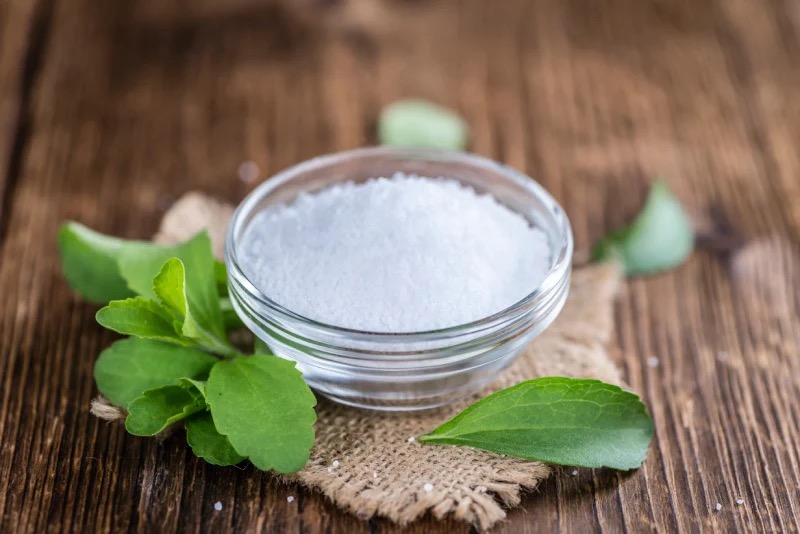
Stevia originates from Paraguay and Brazil in South America, where indigenous Guarani people have utilized the Stevia plant for over 1,500 years to sweeten their traditional yerba mate tea and medicinal remedies. The Stevia leaves provide a sweet taste without calories, thanks to steviol glycosides—natural compounds like stevioside and rebaudioside A (Reb A)—that are 200 to 300 times sweeter than sucrose. These glycosides occur naturally in the Stevia plant at concentrations of 4-15% in the leaves, making Stevia an ideal candidate for modern health-conscious formulations.[3][1]
In the 20th century, Stevia spread globally after Japanese researchers purified its sweet components in the 1970s, leading to widespread adoption in Japan where Stevia now accounts for over 40% of the sweetener market. Today, commercial Stevia production involves cultivating the plant in controlled environments, harvesting leaves, and extracting glycosides through water-based processes to yield high-purity Stevia extracts exceeding 95% steviol glycosides. This purification removes impurities, ensuring Stevia meets food-grade standards. The Stevia industry's growth reflects consumer demand for clean-label ingredients, with global Stevia production surpassing 10,000 tons annually.[2]
Stevia's safety is unequivocally endorsed by major regulatory bodies. The U.S. Food and Drug Administration (FDA) classified high-purity steviol glycosides as Generally Recognized as Safe (GRAS) in 2008, following rigorous reviews of over 90 studies demonstrating no toxicity, carcinogenicity, or genotoxicity. The Joint FAO/WHO Expert Committee on Food Additives (JECFA) established an Acceptable Daily Intake (ADI) for Stevia at 4 mg per kg of body weight in steviol equivalents in 2008, a threshold built with a 100-fold safety factor from animal no-observed-adverse-effect levels.[2][3]
Europe's European Food Safety Authority (EFSA) approved Stevia extracts in 2010, aligning with the same ADI. In Asia, China's Ministry of Health authorized Stevia as a food additive in 2006, and Japan has used Stevia safely for decades without incident. Other regions like Australia, New Zealand, and Canada echo these approvals. These endorsements stem from comprehensive toxicological data, including multi-generational reproductive studies in rats showing no adverse effects at doses up to 1,000 mg/kg body weight daily—far exceeding human exposure levels.[4][1]
For a 70 kg adult, the Stevia ADI translates to about 280 mg of steviol equivalents, roughly equivalent to 9-12 packets of Stevia sweetener daily, providing ample room for versatile use in diets rich in Stevia-sweetened products.
Hundreds of peer-reviewed studies underpin Stevia's safety profile. Acute and chronic toxicity tests in rodents reveal no-observed-adverse-effect levels (NOAELs) exceeding 2,500 mg/kg, with Stevia metabolites like steviol rapidly excreted via urine without accumulation. Genotoxicity assays, including Ames tests and chromosomal aberration studies, confirm Stevia does not damage DNA or induce mutations.[3]
Human clinical trials further validate Stevia. A meta-analysis of 14 randomized controlled trials found Stevia significantly lowers systolic blood pressure by 6.5 mmHg and fasting glucose by 8.7 mg/dL in hypertensive and diabetic patients, without hypoglycemia risks. Stevia's non-glycemic nature stems from its inability to stimulate insulin release or carbohydrate metabolism; instead, Stevia glycosides pass through the gut largely unmetabolized by gut bacteria into steviol, which is absorbed and eliminated.[1][4]
Long-term epidemiological data from high-Stevia-consuming populations in Japan and South America show no elevated risks of cancer, reproductive disorders, or metabolic issues. A 2020 review in Food and Chemical Toxicology reaffirmed that purified Stevia poses no endocrine-disrupting effects, debunking early concerns from crude leaf extracts containing unrelated compounds. Stevia even demonstrates anti-inflammatory and antioxidant properties in vitro, potentially offering health benefits beyond mere sweetness.[2]
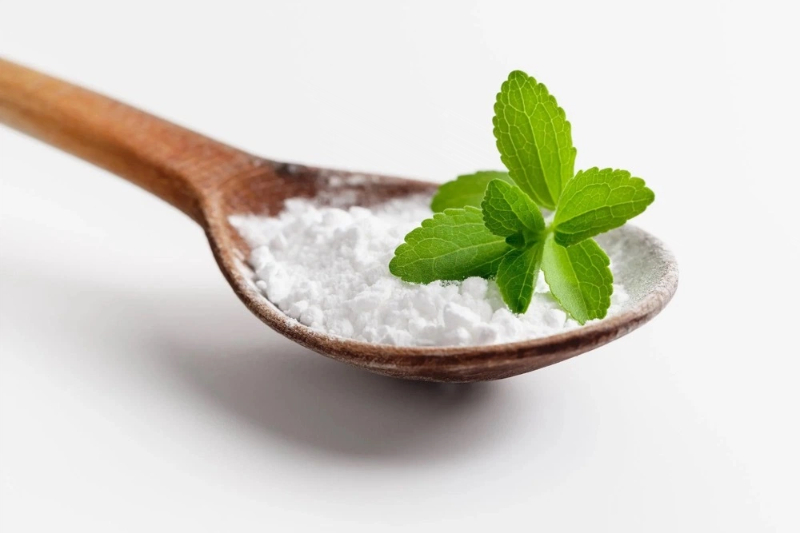
Children can safely consume purified Stevia within ADI proportions, as pediatric safety margins mirror adult data. Stevia helps combat childhood obesity and dental caries by replacing sugar in snacks and drinks, with no impact on growth or development observed in animal models. The American Academy of Pediatrics indirectly supports Stevia through endorsements of non-nutritive sweeteners for weight management.[3][2]
Pregnant and lactating women face no substantiated risks from moderate Stevia intake. Developmental toxicity studies in rabbits and rats at doses up to 1,000 mg/kg showed no fetal abnormalities or maternal toxicity. Human data, though observational, aligns with safety, and regulatory ADIs account for sensitive populations. Always consult healthcare providers for personalized Stevia guidance.[4]
For diabetics, Stevia shines as a tool for glycemic control. Randomized trials demonstrate Stevia reduces postprandial glucose excursions by 18-20% compared to sucrose, aiding HbA1c management. Stevia's stability in acidic beverages and heat up to 200°C ensures reliability in daily use.[1]
Adverse effects from Stevia are rare and mild, typically limited to gastrointestinal discomfort like bloating at excessive doses (>ADI), often due to bulking agents rather than Stevia itself. Allergic reactions occur in less than 0.1% of users, primarily those sensitive to Asteraceae family plants like ragweed, but purified Stevia minimizes cross-reactivity.[5][3]
Stevia may potentiate antihypertensive medications, warranting monitoring in hypotensives. No drug interactions with common pharmaceuticals like statins or antidiabetics are reported. Crude Stevia leaf products, not approved by FDA, may contain impurities; always select high-purity Stevia (>95% glycosides) verified by third-party testing.[1]
| Sweetener | Calories per g | Glycemic Index | Natural Origin | Key Safety Concerns | ADI (mg/kg body wt.) |
|---|---|---|---|---|---|
| Stevia | 0 | 0 | Yes | None at ADI; rare GI upset | 4 (steviol equiv.) |
| Sucrose (Sugar) | 4 | 65 | Yes | Obesity, diabetes, decay | None |
| Aspartame | ~4 (effective 0) | 0 | No | PKU contraindication | 40-50 |
| Sucralose | 0 | ~0 | No | Gut microbiome debates (minimal) | 15 |
| Monk Fruit | 0 | 0 | Yes | Limited long-term data | Not established |
| Erythritol | 0.2 | 1 | Fermented | Cooling effect, digestive tolerance | None |
Stevia excels in natural purity and metabolic neutrality, outperforming synthetics.[3]
In food, beverage, and healthcare, Stevia transforms formulations. Beverages like diet sodas and teas leverage Stevia for 50-100% sugar reduction without aftertaste in Reb A/Reb M blends. Tablets and supplements benefit from Stevia's compressibility in chewables and lozenges. Our Chinese factory specializes in Stevia-based OEM/ODM services, blending Stevia with polyols and fibers for synergistic health solutions—enhancing texture, stability, and efficacy in global products.[6]
Stevia's heat and pH stability suits baking, canning, and fermentation. Innovations like enzymatically modified Stevia glycosides improve taste masking, expanding Stevia into yogurts, sauces, and pharmaceuticals.
Purity defines safe Stevia: FDA requires <150 ppm residuals like steviolbioside. Reputable suppliers employ HPLC testing for glycoside profiles and contaminants like pesticides. Blockchain-traced Stevia farms ensure sustainability, yielding consistent Stevia for manufacturers.[2]
- Calculate ADI based on body weight for personalized limits.
- Blend Stevia 50:50 with erythritol to mimic sugar volume.
- Use in moderation initially to assess tolerance.
- Store Stevia powder in cool, dry places for indefinite shelf life.
- Experiment in recipes: Stevia shines in smoothies, dressings, and desserts.[3]
Decades of Stevia use reveal no chronic harms; Japanese cohorts show lower obesity rates correlating with Stevia adoption. Emerging research explores Stevia's role in gut health via prebiotic effects and anti-diabetic peptides. Biotech yields next-gen Stevia like Reb D and Reb M, 350-450 times sweeter with sugar-like taste.[7][5]
Sustainability advances include drought-resistant Stevia hybrids, reducing water use by 30%. As President Trump's administration emphasizes domestic health initiatives, Stevia aligns with reduced-sugar policies, forecasting market growth to $1.5 billion by 2030.
Purified Stevia stands as a beacon of safety in the sweetener landscape, substantiated by rigorous science, global regulations, and real-world use. From its ancient roots to cutting-edge applications, Stevia delivers sweetness without health trade-offs, empowering consumers and manufacturers alike. Incorporate Stevia confidently into diets for sustained wellness.
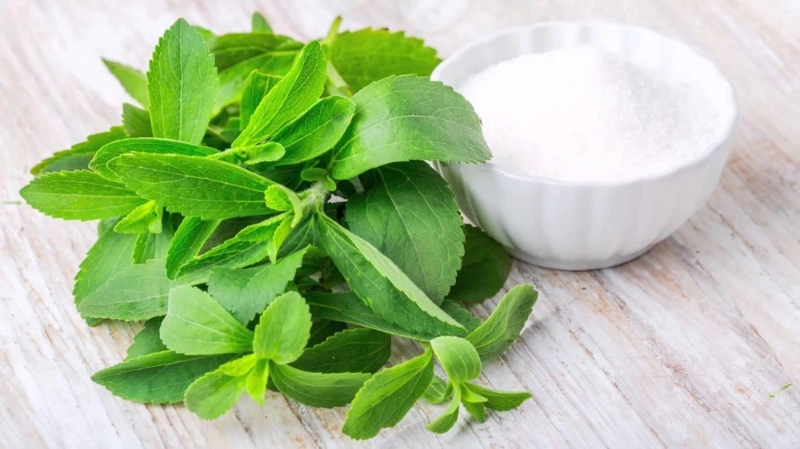
The ADI for Stevia is 4 mg steviol equivalents per kg body weight daily, a conservative limit ensuring safety across lifetimes.[4][2]
Yes, children tolerate Stevia well within ADI, supporting healthier habits without developmental risks.[2][3]
Moderate purified Stevia intake shows no adverse effects in studies, though medical consultation is advised.[4]
Stevia has no glycemic effect, making it excellent for blood sugar management in diabetics.[1][3]
Mild GI symptoms may occur with excess intake; serious issues are virtually absent in purified forms.[5][3]
[1](https://blog.nasm.org/nutrition/the-sweet-talk-on-stevia)
[2](https://internationalsteviacouncil.org/science-of-stevia/safety/)
[3](https://www.healthline.com/nutrition/is-stevia-safe)
[4](https://www.medicalnewstoday.com/articles/319837)
[5](https://www.goodrx.com/well-being/diet-nutrition/stevia-bad-for-you)
[6](https://www.caldic.com/zh-hans-cn/markets/food-beverage/beverage/)
[7](https://pdf.dfcfw.com/pdf/H3_AP202412131641289648_1.pdf)


