


Content Menu
● How Sorbitol Works In The Body
● Sorbitol For Digestive Function And Laxative Use
● Sorbitol, Blood Sugar, And Diabetes Management
● Sorbitol, Gut Microbiome, And Emerging Research
● Sorbitol And Special Populations
● Sorbitol In Food And Beverage Applications
● Sorbitol In Oral Care And Pharmaceutical Formulations
● Regulatory Status And Safety Evaluations
● Practical Tips For Using Sorbitol Wisely
>> 1. Is Sorbitol safe to use every day?
>> 2. Is Sorbitol good for people with diabetes?
>> 3. Can Sorbitol damage teeth?
>> 4. Why does Sorbitol sometimes cause diarrhea?
>> 5. Should children or people with digestive issues take Sorbitol?
Sorbitol can be a useful sugar alternative that supports sugar reduction and dental health when used in moderation, but high or long-term intakes of Sorbitol may lead to digestive discomfort and, in some experimental models, changes in glucose metabolism and the gut microbiome. For most healthy adults, Sorbitol is considered safe within normal dietary ranges, while people with irritable bowel syndrome, hereditary fructose intolerance, or other digestive sensitivities should manage Sorbitol intake carefully.[1][2][6][8][9][11][12]

Sorbitol is a sugar alcohol (polyol) that occurs naturally in fruits such as apples, pears, peaches, and prunes, and is also produced industrially by hydrogenating glucose from starch. With around 60% of the sweetness of sucrose but fewer calories and a lower glycemic impact, Sorbitol is widely used in sugar-free or reduced-sugar foods, beverages, oral-care products, and pharmaceutical formulations.[2][6][9][11][13][14]
Because Sorbitol is a polyol, it is only partially absorbed in the small intestine, which contributes both to its lower caloric contribution and to its potential laxative effect when consumed in large amounts. At the same time, the incomplete fermentation of Sorbitol by oral bacteria means Sorbitol does not promote tooth decay like regular sugar, supporting its extensive use in sugar-free gum, mints, and toothpaste.[4][6][8][9][11][14][15]
After ingestion, Sorbitol is slowly absorbed in the small intestine through passive diffusion, and a significant portion of Sorbitol can pass unabsorbed into the large intestine. The absorbed Sorbitol is metabolized primarily in the liver, where Sorbitol can be converted to fructose and then enter regular carbohydrate pathways, while unabsorbed Sorbitol is fermented by colonic bacteria to produce short-chain fatty acids and gases.[6][11][13][4]
This pattern of partial absorption and colonic fermentation explains why Sorbitol provides fewer calories than sucrose and exerts a smaller and slower effect on blood glucose and insulin. At the same time, this is the mechanism behind Sorbitol-related gastrointestinal side effects such as gas, bloating, and diarrhea when Sorbitol intake exceeds personal tolerance thresholds.[9][10][11][2][4][6]
One of the main health-related advantages of Sorbitol is its contribution to sugar and calorie reduction in foods and beverages, which can support weight management and lower overall added-sugar exposure. Because Sorbitol has a low glycemic index and a modest insulin response, Sorbitol is especially useful in products designed for people with diabetes or those following lower-carbohydrate diets, as long as total carbohydrates from Sorbitol-containing products are still counted.[10][11][13][2][6][9]
Sorbitol also supports dental health, as it is considered non-cariogenic and does not promote tooth enamel demineralization the way sucrose does. Regulatory and scientific reviews acknowledge that Sorbitol and other polyols can reduce the risk of dental caries compared with sugar, which is why Sorbitol-rich sugar-free gums, lozenges, and toothpaste are recommended in caries-prevention strategies.[8][14][15][6]
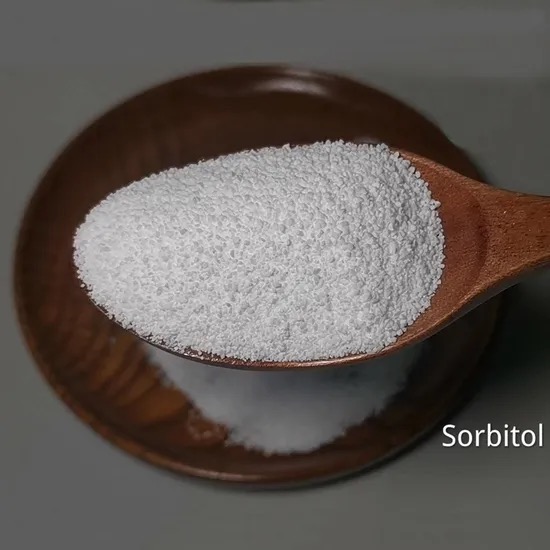
Thanks to its osmotic effect—drawing water into the intestinal lumen—Sorbitol is used as a gentle laxative in certain medical preparations and oral solutions. In these contexts, higher doses of Sorbitol are administered deliberately to stimulate bowel movements and relieve occasional constipation, often under medical supervision, especially in children or older adults.[16][4][6]
However, the same mechanism means that large dietary intakes of Sorbitol from multiple sugar-free products in a short period can cause unwanted diarrhea, abdominal cramps, and flatulence. Scientific reviews of sugar alcohols highlight that, except for erythritol, most polyols including Sorbitol can cause gastrointestinal disturbances at relatively high single doses, and individual tolerance to Sorbitol can vary widely.[11][4][6][9][10]
Because Sorbitol is absorbed slowly and partially, Sorbitol typically causes a smaller postprandial glucose and insulin rise compared with equivalent sweetness from sucrose. Clinical and experimental studies have reported that oral Sorbitol loads in people with mild to moderate diabetes did not significantly increase postprandial blood glucose compared with control conditions, suggesting Sorbitol can be incorporated into diabetic diets when used sensibly.[2][6][9][10]
Research in animal models indicates that Sorbitol may have additional anti-hyperglycemic effects, including delaying gastric emptying, slowing intestinal glucose absorption, and promoting muscle glucose uptake, which could help smooth post-meal glucose excursions. At the same time, emerging data suggest that long-term high-dose Sorbitol intake might influence glucose homeostasis and microbiome composition in ways that are not yet fully understood, emphasizing the importance of moderation even with low-glycemic sweeteners like Sorbitol.[7][1][9][2]
Recent experimental work in animals has shown that long-term Sorbitol administration can alter the gut microbiome, decreasing some beneficial bacterial genera and increasing others associated with inflammation or dysbiosis. In one study, long-term Sorbitol intake in mice induced changes in the composition of the gut microbiome and was associated with signs of glucose intolerance on oral glucose tolerance testing, despite short-term Sorbitol exposure lowering fasting blood glucose and increasing insulin.[3][1]
There is also new research in other model organisms suggesting that Sorbitol, being closely linked to fructose metabolism, may under certain circumstances contribute to liver-related effects similar to those observed with high fructose intake, though this evidence is still preliminary and not yet directly translated into human dietary recommendations. These findings do not mean that normal dietary use of Sorbitol is unsafe, but they do suggest that relying on very high intakes of Sorbitol or treating Sorbitol as a “free” sweetener without limits may not be advisable.[1][7][9]
In people with irritable bowel syndrome or those following low-FODMAP diets, polyols like Sorbitol are recognized triggers of symptoms such as bloating, pain, and altered bowel habits. For these individuals, low-FODMAP guidance typically recommends limiting or avoiding Sorbitol-rich foods and formulations, especially in combination with other FODMAPs that can further aggravate intestinal discomfort.[4][6][9]
Patients with hereditary fructose intolerance (HFI) form another key group that must be very cautious with Sorbitol intake, because Sorbitol can be converted to fructose in the body and thereby worsen their condition. Regulatory and clinical documents highlight very low daily exposure limits for Sorbitol in HFI patients, and Sorbitol-containing medicinal products may need explicit warning statements or alternative formulations for this population.[12]
In confectionery, Sorbitol is widely used in sugar-free gum, mints, hard and soft candies, and chocolate-like products to provide bulk sweetness, a mild cooling sensation, and a pleasant mouthfeel. Sorbitol also helps control crystallization, improve texture, and stabilize fillings, enabling manufacturers to create sugar-reduced products that still feel indulgent.[13][14][15][11]
In bakery and cereal products, Sorbitol acts as a humectant and plasticizer, retaining moisture and improving softness, which can extend shelf life and reduce staling. Certain beverages, syrups, and nutritional drinks use Sorbitol for sweetness and body, particularly when formulating for diabetics, low-sugar lines, or specialized nutrition in the medical and sports sectors.[14][15][13][2]
Oral-care companies rely heavily on Sorbitol as both a sweetener and humectant in toothpaste, mouthwash, and oral gels. Sorbitol helps keep pastes smooth and moist, prevents drying in the tube, and provides pleasant sweetness without feeding cavity-causing bacteria.[15][8][14]
Pharmaceutical manufacturers use Sorbitol as a versatile excipient in syrups, oral solutions, chewable tablets, lozenges, and some injectable preparations, where Sorbitol contributes to sweetness, bulk, osmolarity, and stability. In addition, specific high-dose Sorbitol solutions are used therapeutically as laxatives, especially in hospital and clinical settings where controlled osmotic effects are helpful for managing constipation or preparing for procedures.[6][13][15][16][4]
International and national food safety authorities classify Sorbitol as a generally safe ingredient when used according to good manufacturing practice. In the United States, Sorbitol is considered “Generally Recognized As Safe” (GRAS) as a direct food additive, and regulations require laxative warnings on products that may lead consumers to ingest more than about 50 g of Sorbitol per day.[17][9][11]
Pharmaceutical guidelines further refine exposure thresholds, noting that gastrointestinal symptoms are more likely when Sorbitol intake exceeds roughly 140 mg per kg body weight per day in the general population, with far lower recommended limits for hereditary fructose intolerance patients. These safety evaluations support the conclusion that Sorbitol is safe for most consumers at normal intake levels but reinforce that Sorbitol is not intended for unlimited, unrestricted consumption.[9][11][12][17]
For consumers, the key to using Sorbitol in a healthy way is moderation and awareness of total daily intake from all Sorbitol-containing products. Reading labels to identify Sorbitol and other polyols, starting with small portions, and spreading Sorbitol consumption throughout the day can reduce the risk of digestive discomfort.[11][4][6][9]
For formulators and manufacturers, combining Sorbitol with other sweeteners—such as high-intensity sweeteners or other polyols—can help achieve desired sweetness, texture, and cost, while managing the total Sorbitol dose per serving. Clear front- or back-of-pack messaging about Sorbitol content and potential laxative effects can help end-users make informed decisions and avoid overconsumption of Sorbitol in a single sitting.[13][14][17][2][9][11]
Sorbitol is a well-established sugar alcohol that offers meaningful benefits, including reduced sugar and calorie intake, improved dental health, and valuable functional roles in food, beverage, oral-care, and pharmaceutical products. At the same time, Sorbitol is not completely without risk: excessive or long-term high intake of Sorbitol can cause gastrointestinal discomfort and, in experimental systems, may influence glucose metabolism and the gut microbiome, while certain groups such as IBS patients and those with hereditary fructose intolerance require special caution with Sorbitol. For most healthy adults, Sorbitol can be considered a reasonably healthy sugar alternative when used in moderation, with attention to personal tolerance, balanced diet patterns, and evolving scientific evidence on Sorbitol and health.[7][8][12][14][1][2][4][6][9][11][13]
For most healthy adults, daily intake of modest amounts of Sorbitol from sugar-free foods, drinks, or oral-care products is considered safe within normal dietary ranges. However, using Sorbitol heavily every day, especially in multiple Sorbitol-rich products at once, can lead to digestive symptoms such as gas, bloating, and diarrhea, so personal tolerance should guide daily Sorbitol use.[17][4][6][9][11]
Sorbitol has a lower impact on blood glucose and insulin than regular sugar, which makes Sorbitol useful in diabetic-friendly foods and medical nutrition products. People with diabetes still need to count carbohydrates from Sorbitol-containing products and avoid assuming Sorbitol is completely “free,” but Sorbitol can be part of a well-managed diabetic diet.[10][2][6][9][11]
Unlike sucrose, Sorbitol is considered non-cariogenic and does not significantly promote tooth decay. This is why Sorbitol is widely used in sugar-free chewing gum, mints, toothpaste, and mouthwash to provide sweetness and mouthfeel without feeding cavity-causing bacteria.[8][14][15][6]
Sorbitol is only partially absorbed in the small intestine, and the unabsorbed Sorbitol draws water into the colon and is fermented by bacteria, which can speed up intestinal transit. When Sorbitol intake in a short time is high relative to personal tolerance, this osmotic and fermentative effect can lead to loose stools, diarrhea, and other gastrointestinal symptoms, prompting warning labels on high-Sorbitol products.[4][6][9][11][17]
Sorbitol is present in some pediatric medicines and sugar-free products, but children are often more sensitive to Sorbitol's laxative effects and should use Sorbitol-containing products under guidance and in small amounts. Individuals with IBS, those following low-FODMAP diets, and especially patients with hereditary fructose intolerance may need to significantly limit or avoid Sorbitol, and should consult healthcare professionals for personalized Sorbitol recommendations.[12][16][6][9][4]
[1](https://pubmed.ncbi.nlm.nih.gov/35792179/)
[2](https://pmc.ncbi.nlm.nih.gov/articles/PMC9261844/)
[3](https://www.sciencedirect.com/science/article/abs/pii/S0024320522004702)
[4](https://pmc.ncbi.nlm.nih.gov/articles/PMC5093271/)
[5](https://elchemy.com/blogs/food-nutrition/is-sorbitol-an-artificial-sweetener-exploring-its-uses-benefits-and-applications)
[6](https://www.healthline.com/nutrition/what-is-sorbitol)
[7](https://source.washu.edu/2025/11/alternative-sweetener-sorbitol-linked-to-liver-disease/)
[8](https://www.news-medical.net/health/Sorbitol-Research-and-Safety.aspx)
[9](https://hsph.harvard.edu/news/sugar-alcohol-health-sweetener/)
[10](https://www.theportlandclinic.com/sorbitol-xylitol-and-other-sugar-alcohols/)
[11](https://ific.org/resources/articles/what-is-sorbitol/)
[12](https://pmc.ncbi.nlm.nih.gov/articles/PMC10820197/)
[13](https://www.products.pcc.eu/en/blog/sorbitol-properties-applications-and-impact-on-health/)
[14](https://www.alphachem.biz/sorbitol/)
[15](https://www.pharmaexcipients.com/sorbitol-pharmaceutical-excipient/)
[16](https://www.webmd.com/drugs/2/drug-10305/sorbitol/details)
[17](https://www.crnusa.org/here-for-you/here-for-you-190930)


