


Content Menu
● Historical context and discovery
● Chemical properties and mechanisms of sweetness
● Regulatory safety assessments and current consensus
● Applications across the supply chain
● Synergy with other sweeteners and polyols
● Processing considerations and product development tips
● Quality assurance and supply chain implications
● Consumer perception, health debates, and scientific discourse
● Global market dynamics and regional considerations
● Practical guidance for manufacturers and OEM/ODM partners
● Special considerations for health and safety communications
● FAQ
>> 1. What is saccharin used for in food and beverages?
>> 2. Is saccharin safer than sugar for people with diabetes?
>> 3. Does saccharin cause cancer in humans?
>> 4. Can saccharin affect gut bacteria or metabolism?
>> 5. Who should avoid saccharin?
Saccharin has a storied history as one of the earliest widely used artificial sweeteners. Discovered in 1879 by chemists at a prestigious U.S. university, saccharin quickly became a staple in sugar-free and reduced-calorie products across the globe. For manufacturers in the Food, beverages and healthcare products, saccharin has offered a reliable alternative to caloric sweeteners, enabling product developers to achieve sweetness targets with minimal impact on caloric load, dental health, and glycemic response. This enduring utility has helped countless brands meet evolving consumer demands for low- and no-sugar options, particularly in markets with stringent labeling and safety standards. In this expanded discussion, the science, regulation, historical context, and practical considerations of saccharin use in industrial formulations are examined in depth, with attention to its role alongside natural sweeteners, functional polyols, and dietary fibers.

Saccharin was first synthesized in the late 19th century by Constantin Fahlberg in the laboratory of Ira Remsen, leading to its commercial naming and rapid development as a non-nutritive sweetener. The compound gained early traction during periods of sugar shortage and later surged in popularity during mid- to late-20th century dietary trends. The early history is not only a tale of scientific curiosity but also one of regulatory push and public debate, as governments weighed consumer safety against industrial utility. For international manufacturers, understanding this trajectory helps frame current regulatory expectations and labeling practices, particularly in markets with long-standing safety reviews of artificial sweeteners.
Saccharin is characterized by intense sweetness with minimal caloric contribution. Its non-nutritive profile means it provides essentially no usable energy to the human body. The sweetening effect arises from receptor interactions that create a perception of sweetness at doses far lower than sugar. Because saccharin is not metabolized into calories, it remains an attractive option for formulating sugar-reduced products across beverages, confectionery, dairy alternatives, baked goods, toothpaste, and pharmaceutical coatings. For product developers, this translates into the ability to achieve target sweetness with predictable stability in a wide range of processing environments, including high-heat applications to a reasonable extent.
Over decades, saccharin has undergone extensive safety scrutiny by major health authorities. The prevailing consensus across agencies such as national food safety authorities and international bodies is that saccharin is safe for consumption within established Acceptable Daily Intake (ADI) limits. These assessments consider diverse endpoints, including carcinogenicity, metabolic effects, and potential interactions with gut microbiota. The upshot for manufacturers is that saccharin can be used within regulated dose ranges without compromising product safety profiles, while still aligning with consumer expectations for low- or zero-calorie sweetness. Continuous re-evaluation ensures that regulatory guidance remains aligned with the latest scientific evidence.
Saccharin's versatility makes it a staple across multiple product categories tailored to international markets. In beverages, saccharin provides robust sweetness without added calories, supporting beverage manufacturers aiming to offer zero- or low-sugar products. In confectionery and bakery, it enables scale-up of sugar-reduced lines without significant changes to texture or mouthfeel when used in combination with bulking agents or other sweeteners. In oral care products, saccharin preserves sweetness in fluoride toothpaste and mouthwash formulations, improving consumer experience without affecting dental health outcomes. In pharmaceutical excipients, saccharin can serve as a sweetener for formulations requiring stable taste profiles over shelf life. For OEM/ODM partners, integrating saccharin with compatible polyols and natural sweeteners allows the creation of blended sweeteners tailored to regional tastes and regulatory constraints.
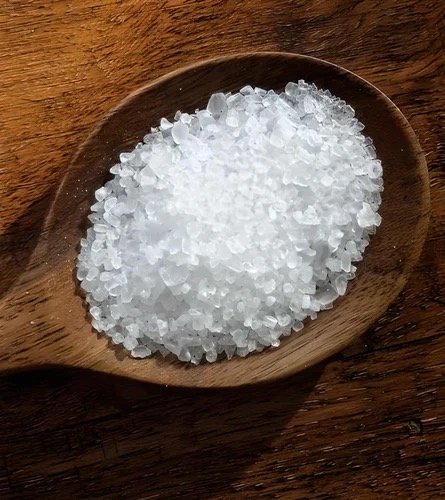
In many applications, saccharin is not used alone but as part of a sweetener system designed to balance sweetness intensity, taste profile, and aftertaste. Blends with aspartame, sucralose, stevia, or other polyols can mitigate aftertaste issues and enhance heat stability during processing. For a China-based factory serving overseas manufacturers, this means developing customized blends that meet specific regional preferences and regulatory guidelines, delivering consistent sweetness curves, mouthfeel, and cost-effectiveness. When combined with polyols like erythritol or xylitol, saccharin-containing blends can provide pleasant mouthfeel while maintaining low caloric contribution.
- Heat stability and processing: Saccharin is relatively stable under heat, but formulation strategies should account for potential degradation or interaction with other ingredients at extreme processing temperatures. Ergonomic staging of addition points in recipe design helps preserve sweetness intensity across shelf life.
- Flavor interaction: Sweeteners interact with flavor compounds differently; saccharin can sometimes impart a slight bitter or metallic note when used alone at high levels. Blending with other sweeteners often smooths flavor profiles, improving overall consumer acceptability.
- Solubility and mouthfeel: Saccharin is soluble, but formulation teams should consider the impact on mouthfeel, especially in low-moisture bakery items and sugar-free hard candies. Complementary ingredients may be used to achieve desired texture without compromising sweetness.
- Labeling and consumer communication: Transparent labeling for sugar-reduction claims, labeling for artificial sweeteners, and compliance with regional disclosure requirements are essential. Developers should coordinate with regulatory teams to ensure product labels accurately reflect sweetener usage and safety considerations.
- Ingredient sourcing and quality: Sourcing saccharin from reputable suppliers with documented GMP and quality control practices helps ensure batch-to-batch consistency, particularly important for global markets with strict quality standards.
- Regulatory compliance: Given varying regional rules on food additives, it is crucial to verify permissible use levels and product categories for saccharin in each target market, including potential restrictions on certain product types or food matrices.
- Documentation and traceability: Maintaining thorough documentation for raw materials, formulation records, and batch testing supports regulatory audits and quality assurance across OEM/ODM projects.
Public discourse around saccharin has historically oscillated between caution and reassurance. While early research raised concerns about potential cancer risk in animal models, large-scale human studies and regulatory reviews in subsequent decades did not establish a clear cancer risk at typical exposure levels. Contemporary scientific literature emphasizes a risk profile that is low for most consumers when saccharin is consumed within recommended guidelines. For manufacturers, staying aligned with evidence-based communications and avoiding overstated claims is essential for credibility in health-conscious markets.
- North America and Europe: Regulatory agencies have long-standing experience with saccharin; many markets permit its use within established ADI levels, supported by ongoing monitoring and post-market surveillance.
- Asia-Pacific and developing markets: Adoption of sugar-reduction strategies is accelerating, with saccharin often serving as a cost-effective option in blended sweetener systems that meet local taste preferences and regulatory requirements.
- Organic and natural product spaces: Inorganic or synthetic sweeteners like saccharin may be restricted or excluded; manufacturers targeting organic or “clean label” segments may emphasize alternative sweeteners while maintaining a balanced portfolio.
- Develop blended sweetener systems: For overseas clients, design saccharin-inclusive blends that balance sweetness, aftertaste, heat stability, and cost. Provide multiple formulation options to accommodate regional preferences and regulatory constraints.
- Optimize for final application: Consider the target product category, processing conditions, and storage to determine the most appropriate saccharin usage levels and complementary ingredients.
- Regulatory diligence: Build a regulatory watch into product development workflows to ensure ongoing alignment with evolving guidelines in key markets.
- Documentation and QA: Implement robust QA processes for raw materials, production runs, and finished products, ensuring that all records support regulatory compliance and brand quality claims.
- Emphasize evidence-based safety: Communicate that major health authorities deem saccharin safe within established intake levels, focusing on evidence rather than speed of judgment.
- Be transparent about limitations: Acknowledge that research on gut microbiome interactions and very high-dose exposure remains ongoing, and craft messages accordingly to avoid sensationalism.
- Tailor messaging for diverse markets: Adapt communications to reflect cultural and regulatory nuances across international audiences, while maintaining scientific integrity.
Saccharin remains a reliable, well-studied, zero-calorie option for sweetening a wide range of Food, beverages and healthcare products. Its proven stability, compatibility with diverse processing methods, and favorable regulatory status in many markets make it a strategic tool for manufacturers seeking sugar reduction without compromising taste or texture. As consumer preferences evolve toward healthier formulations and demand precise labelling and safety information, saccharin-based sweetener systems—often used in carefully crafted blends with natural sweeteners and functional polyols—offer flexibility and cost efficiency for OEM/ODM collaborations. Continued engagement with regulatory developments and scientific research will help ensure that saccharin remains a safe and effective component of global health-oriented product portfolios.
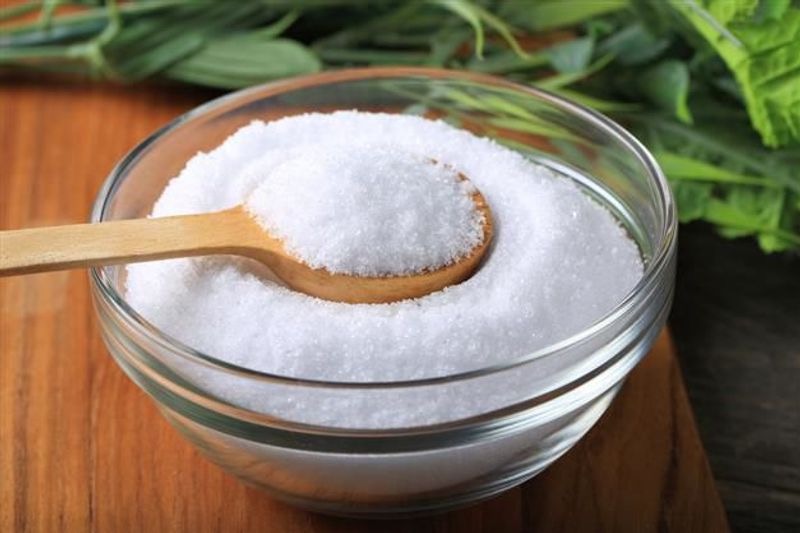
Saccharin is used to sweeten foods and drinks without adding calories, including diet beverages, sugar-free gums, baked goods, and certain personal care products, providing a stable sweetness profile across formulations.
Yes. Saccharin does not raise blood glucose levels, offering a non-nutritive alternative that can help manage carbohydrate intake and glycemic responses when used within recommended usage guidelines.
Extensive evaluations by health authorities have found no clear evidence that saccharin causes cancer in humans at typical exposure levels. Early animal studies prompted warnings, but later analyses led to safety assurances within established ADI limits.
Some animal studies suggest high-dose saccharin may alter gut microbiota and metabolism, but human evidence at typical consumption levels is not yet conclusive. Blending saccharin with other sweeteners and polyols can help manage taste and potential microbiome effects.
People with known sulfa drug allergies or those who have experienced allergic reactions to saccharin should avoid it. Lactating mothers and infants may exercise caution, and regulations may vary by region, so local guidance should be consulted.
[1](https://en.wikipedia.org/wiki/Saccharin)
[2](https://www.latimes.com/archives/la-xpm-2010-dec-27-la-he-nutrition-lab-saccharin-timelin20101227-story.html)
[3](https://www.ebsco.com/research-starters/history/saccharin)
[4](https://saccharin.org/history/)
[5](https://www.acs.org/molecule-of-the-week/archive/s/saccharin.html)
[6](https://www.sciencehistory.org/stories/magazine/the-pursuit-of-sweet/)
[7](https://www.saveur.com/artificial-sweeteners/)
[8](https://pmc.ncbi.nlm.nih.gov/articles/PMC8497813/)
[9](https://www.sciencedirect.com/science/article/abs/pii/0278691585901486)
[10](https://pubmed.ncbi.nlm.nih.gov/3722660/)


